

AI and Autonomy Transform Fleet Management Strategies

The recent strategic initiatives undertaken by the company illustrate a bold move towards positioning itself in the rapidly evolving global market for commercial vehicle fleet management. With a strong emphasis on leveraging artificial intelligence and enhancing hardware capabilities, the company not only aligns itself with technological advancements but also seeks to capitalize on the growing demand for smarter fleet management solutions. Given the rise in fuel costs and the imperative for efficiency, this focus on AI integration could prove beneficial, reinforcing its market share amidst increasing competition.
The prioritization of the Robobus development reflects a clear long-term vision regarding autonomous driving technologies. By establishing a dedicated testing platform and expanding its research and development team, the company is poised to navigate the complex landscape of autonomous vehicles. Historically, as seen during the dot-com bubble, visionary projects can yield significant returns when executed well; however, they also carry substantial risks. Delivering a cohesive solution that marries existing fleet management tools with autonomous capabilities is no small feat and will demand rigorous project management and innovation.
The newly operational plant in Vietnam marks a significant milestone in enhancing the company’s production capacity. This strategic location not only offers access to emerging markets but could also serve as a cost-effective hub for manufacturing. Nonetheless, operational risks loom over this expansion; the execution of the second construction phase in 2025 will be critical. The company must adeptly navigate local business dynamics and workforce requirements while ensuring that its technological advancements translate into tangible operational benefits. The socio-economic stability and evolving regulatory framework in Vietnam will be pivotal in determining the success of these ambitious plans.
While the optimistic outlook for AI products underscores an opportunity for sustainable revenue growth in the commercial vehicle sector, the early-stage development of smart devices presents a potential hurdle. If growth forecasts fall short of expectations, the company may encounter significant challenges, particularly in maintaining investor confidence and achieving its EBITDA targets. Therefore, a cautious yet proactive approach in balancing its innovative ventures with market realities will be essential. Will the confidence in autonomous technologies justify the required investments, or will unforeseen obstacles derail these aspirations?
Read These Next

TUMI's Leadership Change and Its Strategic Implications
Commentary on the appointment of Luciano Severo Radembush as President of TUMI in the context of market trends and strategic implications for the luxury segment.

Reddit Earnings Beat Expectations Despite User Growth Worries
Reddit's stock rose following an earnings report that surpassed expectations in revenue and earnings, but face challenges in user growth.
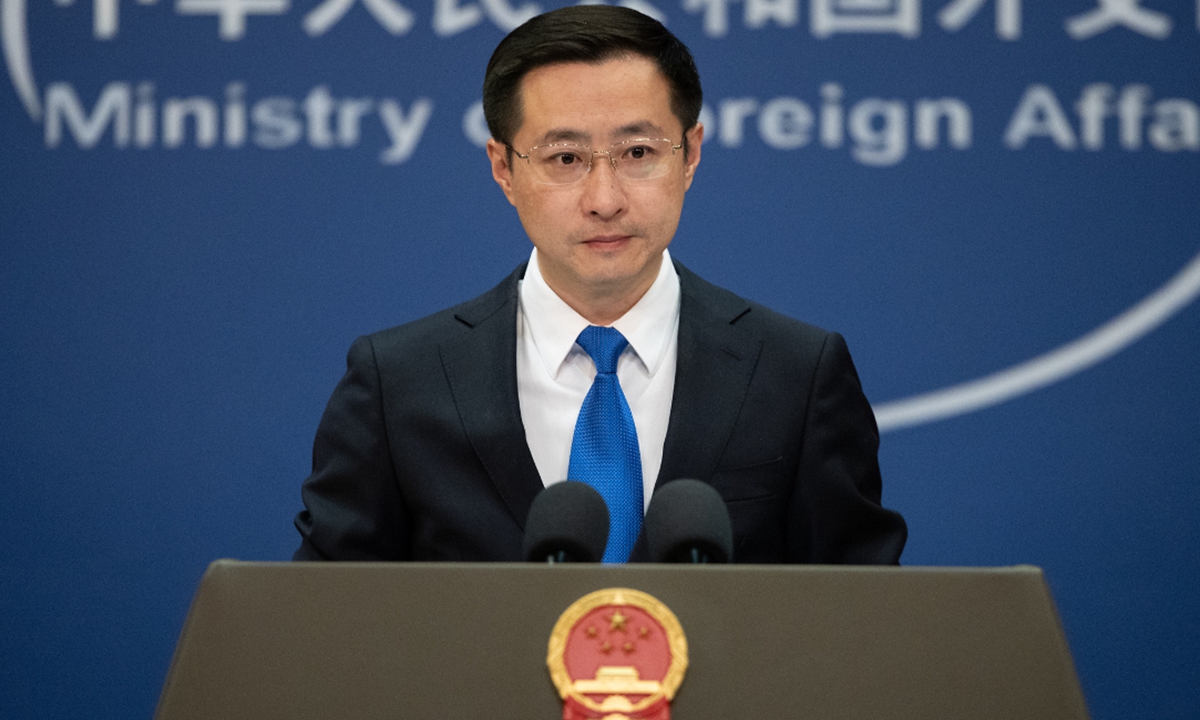
China Rejects US Critical Minerals Bloc as Trade Order Threat
China's Foreign Ministry criticizes US-led exclusive trading blocs for critical minerals, urging inclusive global cooperation.