

TUMI's Leadership Change and Its Strategic Implications

The recent appointment of Luciano Severo Radembush as President of TUMI brand within the Samsonite group is a pivotal shift that potentially reshapes the landscape within the luxury luggage market. Set to take effect around April 1, 2026, this strategic change is significant not only for Samsonite but also for the broader luxury sector. TUMI, a brand synonymous with quality and premium travel accessories, can leverage Radembush's extensive experience, particularly from his tenures at high-profile companies like Pandora and Tiffany & Co. The strategic imperative behind this move implies a concerted effort by Samsonite to bolster TUMI's market presence and enhance its operational strategies.
Examining the implications of Radembush’s leadership, we see a potential shift towards greater innovation and brand elevation in the increasingly competitive luxury segment. However, the very absence of specific financial indicators following this announcement raises critical questions. How can stakeholders assess the future performance of TUMI without concrete performance metrics such as revenue growth forecasts, EBITDA margins, or consumer demand data? While Radembush's impressive track record suggests he may drive positive change, stakeholders need to remain wary; history has shown us that change in leadership does not always yield immediate benefits. For instance, during the dot-com burst, many firms changed CEOs or management teams in hopes of reinvigorating performance, yet this often resulted in prolonged downturns.
Moreover, Radembush’s arrival raises warnings about potential risks associated with management transition. The luxury market is particularly sensitive to brand identity and consumer sentiment. If Radembush’s vision does not resonate well with TUMI’s existing customer base, there could be unintended consequences. The luxury segment currently faces pressure from changing consumer behaviors—especially in the wake of the post-pandemic economy, stemming from shifts in spending habits towards experiences over material goods. This brings to the forefront the crucial question: can TUMI navigate this evolving landscape effectively under new leadership? Stakeholders—including investors, consumers, and employees—must monitor not just Radembush’s strategic initiatives, but also the broader economic indicators such as GDP growth rates, inflation trends (CPI), and consumer confidence indices that will affect luxury spending.
In conclusion, while the appointment of Luciano Severo Radembush is filled with potential, it is coupled with an element of uncertainty that cannot be overlooked. For institutional investors and market participants, understanding this transition's ramifications will require close attention to emerging data—both qualitative and quantitative—that may emerge in the months leading up to and following Radembush's official start date. With luxury brands navigating a precarious balance of heritage and innovation, TUMI's future under new leadership could either reinforce its market standing or lead to further challenges in a post-covid consumer landscape. Stakeholders, therefore, must keep a vigilant eye on not only TUMI’s strategic developments but also the broader market trends influencing the luxury segment.
Read These Next

Reddit Earnings Beat Expectations Despite User Growth Worries
Reddit's stock rose following an earnings report that surpassed expectations in revenue and earnings, but face challenges in user growth.
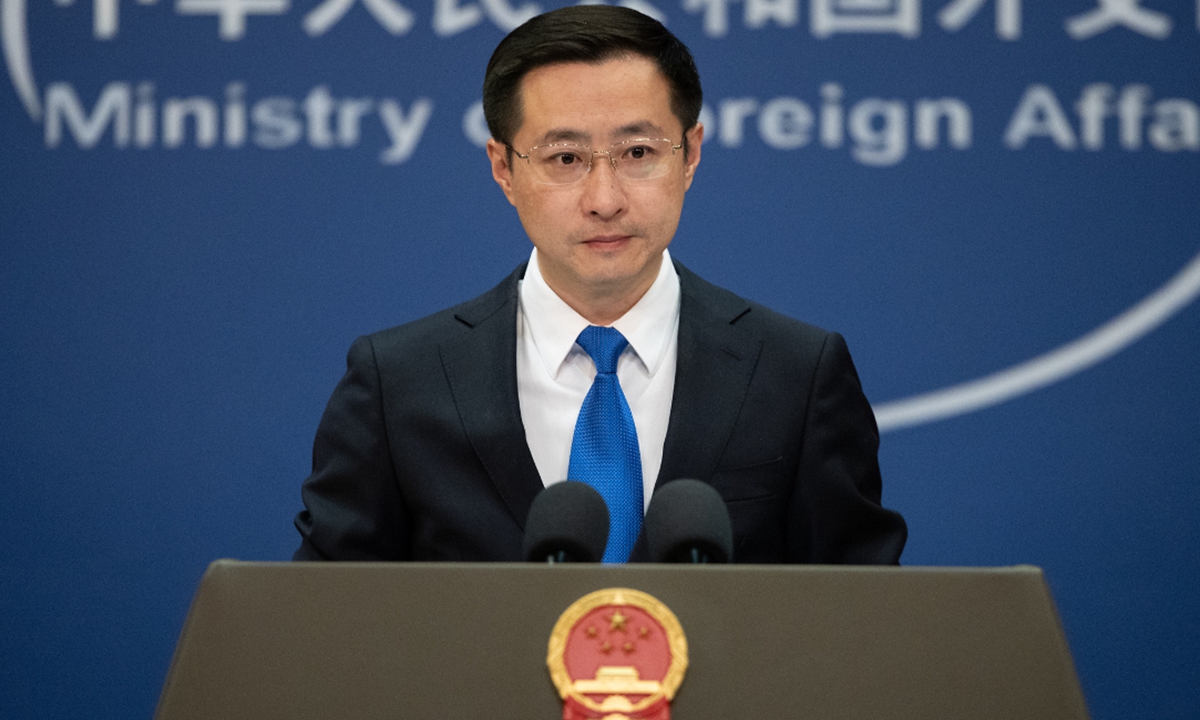
China Rejects US Critical Minerals Bloc as Trade Order Threat
China's Foreign Ministry criticizes US-led exclusive trading blocs for critical minerals, urging inclusive global cooperation.
Bitcoin Dips to $60000 on February 6 According to Report
On February 6, Bitcoin fell over 11% to $60,000, down 52% from its October high of $126,000 due to market turmoil.