

European Commission Investigates Chinese Robotic Mowers Amid Criticism
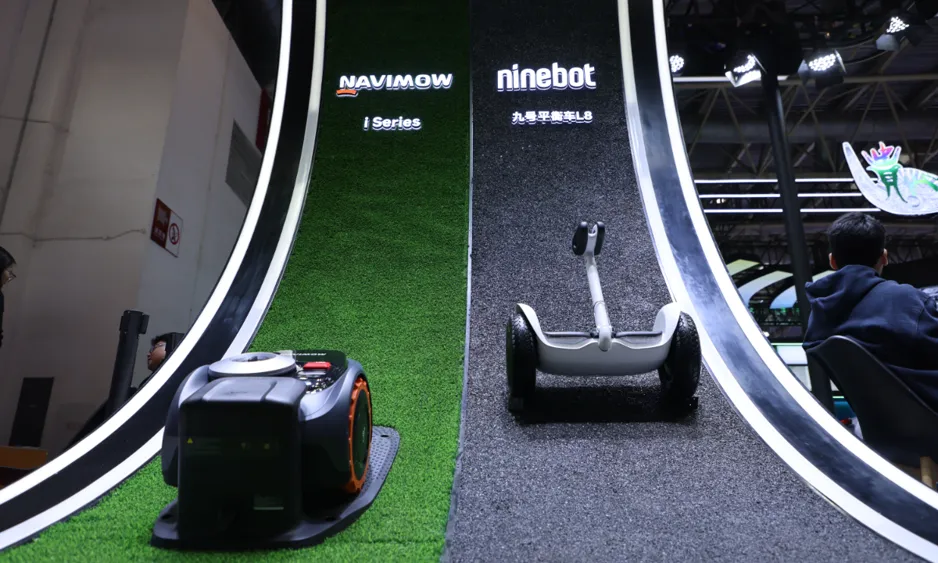
The European Commission has announced the initiation of an anti-dumping investigation focused on Chinese robotic lawn mowers, a decision that has ignited concerns regarding protectionism and market competition. A Chinese trade expert has claimed that the move is motivated by entrenched stereotypes and prejudice rather than any substantiated evidence, warning that such actions could disrupt fair market dynamics and ultimately disadvantage EU consumers.
This investigation comes in response to a complaint lodged by Husqvarna Manufacturing CZ s.r.o., which prompted the Commission's assessment that the pricing and costs associated with Chinese electric robotic lawn mowers are heavily distorted. According to the Commission’s notice, this could potentially harm the interests of the domestic industry within the European Union.
The scope of the investigation will cover electric robotic mowers that autonomously maintain lawns, parks, and sports fields. It is anticipated that the investigation will be thorough, concluding within a 14-month timeframe. Any provisional measures deemed necessary will likely be implemented within seven to eight months from the announcement.
Li Yong, a senior research fellow at the China Association of International Trade, criticized the allegations asserted in the investigation, stating they rest on a foundation of stereotypes. He pointed out that the selling price of these Chinese mowers in the EU market is actually higher than in China, contradicting the legal definition of 'dumping'.
Data from Chinese customs indicates that more than 40 percent of robotic lawn mower exports from China are directed to the EU, with the average price for these products sold in the EU noted as $207.30. This figure is approximately 43 percent higher than the average export price of $144.60 for these machines sold globally. Such discrepancies raise questions about the rationale behind the EU's protective stance.
While highlighting the need for the EU to tackle the deeper issues affecting its industry competitiveness—such as market dynamics, economies of scale, and innovation—Li affirmed that claims of unfair pricing or subsidies should not overshadow these critical challenges faced by European manufacturers.
Li further emphasized that European consumers favor Chinese robotic lawn mowers not only for their cost-effectiveness but also for their reliable performance and innovative technology. This preference is underscored by the unique characteristics of the European market, which includes smaller residential lawns more suited for robotic mowers.
Additionally, the rising focus on environmental sustainability in Europe, coupled with escalating labor costs, has fueled demand for robotic lawn mowers. Innovations from Chinese companies, including boundary-free models capable of 'lawn printing,' underscore the sector’s technological advancements, with exports reaching $1.01 billion in early 2025, denoting a nearly 60 percent increase year-on-year.
Li cautioned that the European Commission's current protective measures would be counterproductive, claiming they could impede fair competition and potentially stifle innovation. He argued that such a stance may safeguard outdated production methods, elevating consumer costs and limiting product availability.
In light of the EU’s ongoing trade scrutiny of Chinese firms, Segway-Ninebot, a prominent Chinese manufacturer, expressed that the investigation should not significantly impact its overall business operations. The company's strategy focuses on mid-to-high-end market segments where technological innovation and user experience drive its competitiveness.
As the situation develops, Li notes that the escalating trade tensions could deeply affect long-term China-EU relations. Misconceptions and biases held by certain EU politicians could hinder the prospects for robust economic cooperation, ultimately destabilizing global trade. The Chinese Foreign Ministry has also emphasized the importance of a fair and transparent environment for international trade.
Read These Next

Shanghai Fengyuzhu's Annual Report: Navigating Change
A critical analysis of Shanghai Fengyuzhu Cultural Technology Co., Ltd.'s annual report focusing on strategic shifts in project funding and potential implications for investors.

South Korea Targets Chinese Tourists to Boost Consumption Potential
South Korea aims to attract more Chinese tourists, leveraging China's economic recovery for tourism and cultural exchange.

Brazil's State Oil Company Boosts Aviation Fuel Prices by 55%
On April 1, Brazil's national oil company announced a 55% rise in aviation fuel prices, affecting airline costs and travel.