

Chinese Food-Service Chains Embrace AI as New Partner
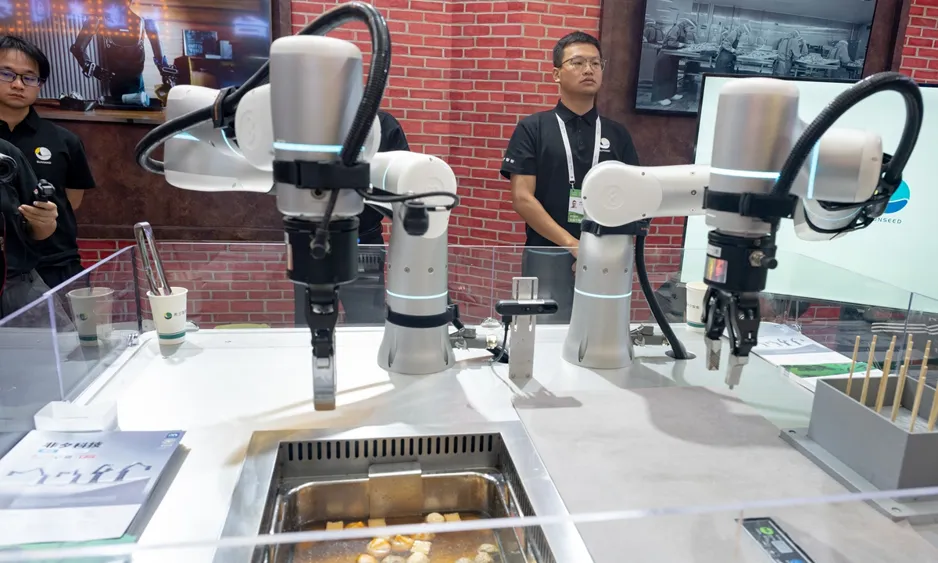
In a transformative move for the food-service sector, Chinese food service chains are increasingly adopting artificial intelligence (AI) as a crucial partner to drive growth and enhance consumer value. A leading example of this trend is the well-known hotpot chain Haidilao, which has integrated AI tools to provide personalized menu recommendations tailored to individual customer needs.
Yin Dajiang, a 46-year-old breakfast shop owner in Beijing's Chaoyang district, experienced a significant shift in his business planning. As he sought to expand from his residential area to a standalone street-front location, AI tools helped streamline the traditionally labor-intensive tasks of site selection and menu positioning.
Utilizing Meituan's newly released AI decision-making tool powered by the LongCat model, Yin found the selection process to be 'unprecedentedly clear and efficient.' He explained how he input simple queries regarding opening a new store, after which the model comprehensively analyzed local consumption patterns, competition, and price ranges to provide tailored recommendations.
This use of AI marks a notable progression in the food-service industry; it has transitioned from being a supplementary digital assistant to a proactive resource that informs decisions on site selection, menu development, and customer engagement. Industry experts see this trend as a crucial turning point that could redefine operational efficiency across the sector.
As the food service landscape evolves, AI technology is being increasingly embraced, particularly in restaurant operations. The launch of the Kangaroo Advisor, an AI-powered tool by Meituan, showcases this shift. It assists operators in various aspects of daily operations, such as market analysis and financial assessments, and is being made freely available to industry users.
Over 1,000 restaurant brands are now trialing this innovative tool, which has generated more than 100,000 analytical reports since its launch on October 16. Such developments illustrate AI's newfound role not just as a tool, but as a co-operating partner for restaurant operators and delivery services.
Haidilao's previous implementation of AI tools illustrates the potential for enhanced consumer experiences. The brand's deputy general manager indicated that AI solutions help to provide tailored recommendations based on detailed customer queries regarding dietary preferences, thereby ensuring a highly personalized service.
Adoption of AI is not limited to large chains, as smaller establishments and delivery platforms are also integrating these technologies into their consumer interactions, enhancing customer satisfaction. The recent experiences of consumers, like a Beijing resident who effortlessly booked a table at a restaurant using AI, signal the systemic changes occurring in the sector.
China's immense catering market, which surpassed 5.5 trillion yuan in 2024, is vividly reflecting these shifts. With year-on-year revenue growth recorded at 3.3 percent as of September, industry observers emphasize that the continued expansion is driven by rising domestic consumption and the growth of the delivery economy.
In light of this sweeping technological integration, cities such as Shanghai are planning significant upgrades in the restaurant industry from 2026 to 2028. These initiatives aim for over 70 percent smart operation integration across various dining businesses, underscoring the growing emphasis on AI in enhancing operational capabilities.
Experts assert that as AI establishes its role as a catalyst for growth by improving efficiency and enriching consumer value, the food-service industry is positioned for substantial future advancements. With the shift from subjective decision-making to data-driven strategies, operators like Yin Dajiang highlight how AI transforms the landscape of opening and managing food establishments.
Read These Next

Shanghai Fengyuzhu's Annual Report: Navigating Change
A critical analysis of Shanghai Fengyuzhu Cultural Technology Co., Ltd.'s annual report focusing on strategic shifts in project funding and potential implications for investors.

South Korea Targets Chinese Tourists to Boost Consumption Potential
South Korea aims to attract more Chinese tourists, leveraging China's economic recovery for tourism and cultural exchange.

Brazil's State Oil Company Boosts Aviation Fuel Prices by 55%
On April 1, Brazil's national oil company announced a 55% rise in aviation fuel prices, affecting airline costs and travel.