

Hong Kong Set for Third Straight Year of Positive GDP Growth
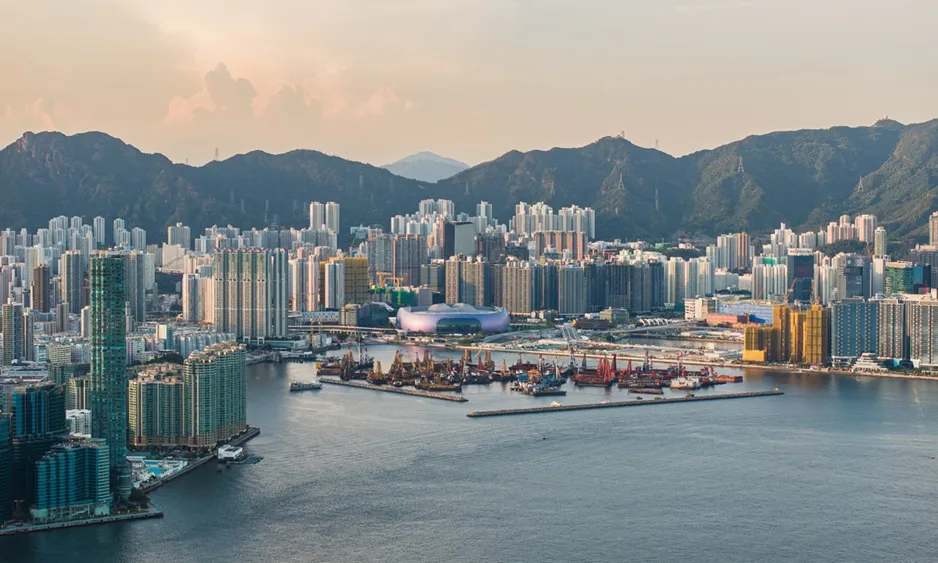
Hong Kong's economy is poised for growth, marking the third consecutive year of positive GDP expansion, primarily fueled by robust exports and private consumption. Paul Chan Mo-po, the financial secretary of the Hong Kong Special Administrative Region (HKSAR), indicated in a recent blog post that forthcoming labor market figures will likely showcase stable conditions.
The city's economy has demonstrated consistent improvement, with local GDP achieving positive growth for 11 consecutive quarters. In the third quarter alone, the real GDP surged by 3.8 percent, representing the strongest quarterly performance in the past 18 months, driven by steady increases in exports, consumption, and investment.
In light of declining interest rates and a reduction in China-US trade tensions, the HKSAR government has adopted a cautiously optimistic outlook for the last quarter of the year. They have revised the full-year growth forecast for 2025 upward to 3.2 percent, exceeding the previous estimate of 2 to 3 percent. If realized, this would mark the third consecutive year of GDP growth since the pandemic.
Throughout the first half of the year, unilateral tariffs imposed by the United States generated significant external challenges and uncertainties. However, Hong Kong maintained its status as a free port, responding with a series of consistent and reliable measures. With strong support from the central government and collaborative endeavors throughout the city, Hong Kong has made considerable strides.
Chan reported an 11.3 percent year-on-year increase in goods exports during the first three quarters. This surge was mainly attributed to solid shipments to the Chinese mainland and ASEAN, which rose by 14.6 percent and 27.1 percent, respectively. Such growth not only reflects favorable conditions but also years of strategic preparation, including the expansion of trading partners and active support for mainland firms.
Improvement across various sectors has led to a 12 percent increase in visitor arrivals, totaling 41 million in the first ten months of the year, which has significantly uplifted sentiment within Hong Kong's catering and retail industries.
Private consumption in Hong Kong rose by 2.1 percent in the third quarter. As the economy strengthens and market sentiment improves, upcoming labor market data is anticipated to reflect stability, according to Chan.
Looking ahead, Hong Kong's GDP is expected to continue its upward trajectory into 2026. Global institutions foresee moderate growth in the global economy next year, with the Chinese mainland and the entirety of Asia playing pivotal roles.
The ongoing GDP growth in Hong Kong is underpinned by a resurgence in private consumption, the impact of major events, a stabilizing property and equity market, and steady capital inflows. High-value tourism and a dynamic capital market, including robust listings from the mainland, have further fueled the economic momentum.
Emerging industries are flourishing, traditional sectors are undergoing upgrades, and construction projects are advancing, thereby driving investment and employment. These trends reflect Hong Kong's economic resilience and its ability to maintain broad-based growth in the face of external uncertainties.
Read These Next

Shanghai Fengyuzhu's Annual Report: Navigating Change
A critical analysis of Shanghai Fengyuzhu Cultural Technology Co., Ltd.'s annual report focusing on strategic shifts in project funding and potential implications for investors.
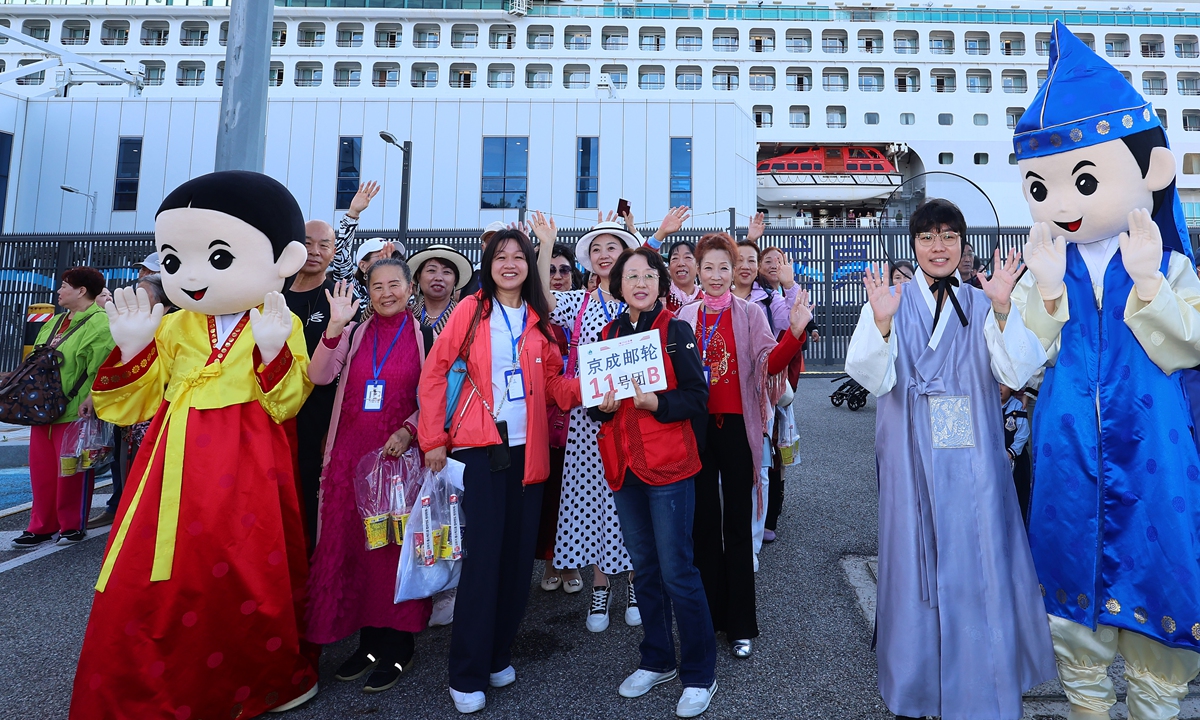
South Korea Targets Chinese Tourists to Boost Consumption Potential
South Korea aims to attract more Chinese tourists, leveraging China's economic recovery for tourism and cultural exchange.

Brazil's State Oil Company Boosts Aviation Fuel Prices by 55%
On April 1, Brazil's national oil company announced a 55% rise in aviation fuel prices, affecting airline costs and travel.