

Xiaomi CEO Highlights Safety as Key Focus Amid Car Quality Talks
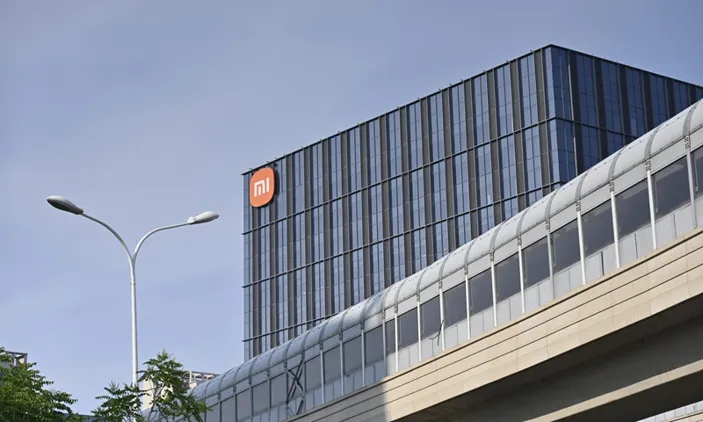
In light of recent scrutiny following a tragic accident involving one of its vehicles, Xiaomi's founder, chairman, and CEO Lei Jun has emphasized vehicle safety as a fundamental priority for the company. His statements come amid a growing wave of online discussions questioning the safety records of Xiaomi cars.
On Sunday, Lei Jun took to social media to clarify what he termed "misinterpretations" of his earlier comments about the company's automotive design approach. In April 2024, he had stated that "design comes first" in car manufacturing, prompting criticism from online commentators who questioned the implications of that statement on safety.
In his defense, Lei referred to his postings on social media from late 2023 and early 2024, reiterating that his commitment to maintaining strict safety standards in automotive processes has been unwavering. He emphasized that the importance of aesthetics in car design does not undermine the necessity of safety, which he asserts remains the company’s foundational principle.
Responding to both supporters and sceptics, Lei addressed the online discourse by stating that many had misconstrued his remarks, some labeling them as slanderous. He remained firm that safety should be prioritized above all other considerations in vehicle production, reinforcing his consistent stance on the matter.
While there are netizens who express unwavering confidence in Xiaomi's safety protocols, there remains a segment that voices concern. One individual on Weibo expressed alignment with Lei's views on prioritizing safety but urged for transparent investigations into a pair of recent incidents involving Xiaomi vehicles that resulted in fatalities.
Notably, on October 13, 2025, Lei shared images from a photography contest for Xiaomi YU7 vehicle owners on Weibo, marveling at the beauty of the Pamir Plateau. This post followed a horrific accident in Chengdu, Sichuan Province, where a Xiaomi SU7 Ultra reportedly caught fire after a severe crash, leading to the tragic death of the driver.
This incident in Chengdu mirrored an earlier tragedy from March 29, 2025, in Anhui Province, where a Xiaomi SU7 was involved in a high-speed collision that claimed the lives of three college students. The police investigations into both accidents have yet to disclose their findings, leaving many unsettled and demanding clarity.
In summary, as Xiaomi navigates through heightened scrutiny concerning the safety of its vehicles, Lei Jun's reiteration of the company's commitment to safety may play a critical role in restoring public confidence. However, the impact of these tragic incidents will likely continue to resonate as investigations progress.
Moving forward, Xiaomi must not only address the concerns raised by consumers but also ensure transparency in its safety practices to mitigate the potential fallout from these recent accidents. The automotive sector remains a crucial frontier for the tech giant, and addressing safety concerns head-on will be vital for its sustained growth.
The question of vehicle safety remains paramount as Xiaomi seeks to bolster its reputation in the highly competitive automotive landscape. Actions taken in the coming weeks will be pivotal in shaping public perception and customer trust in the brand.
As the investigations unfold, the response from Xiaomi's management team will be closely scrutinized, as stakeholders and consumers alike look for assurances that the company is committed to prioritizing safety over market-driven design imperatives.
Ultimately, Lei Jun’s comments highlight an ongoing challenge for modern automotive manufacturers: striking a balance between appealing design and uncompromising safety standards—an aspect that could define the future direction of Xiaomi’s automotive ambitions.
Read These Next

Shanghai Fengyuzhu's Annual Report: Navigating Change
A critical analysis of Shanghai Fengyuzhu Cultural Technology Co., Ltd.'s annual report focusing on strategic shifts in project funding and potential implications for investors.

South Korea Targets Chinese Tourists to Boost Consumption Potential
South Korea aims to attract more Chinese tourists, leveraging China's economic recovery for tourism and cultural exchange.

Brazil's State Oil Company Boosts Aviation Fuel Prices by 55%
On April 1, Brazil's national oil company announced a 55% rise in aviation fuel prices, affecting airline costs and travel.