

Hormuz Strait Closed, Iran Controls Access, UAE CEO Says
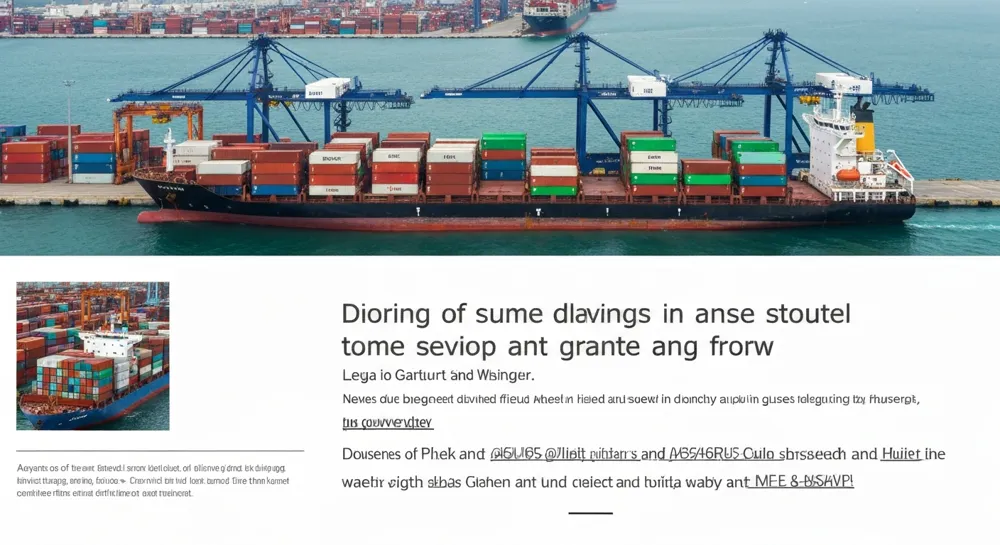
The Hormuz Strait, a vital route for global oil supply, is currently under strict control by Iran, as noted by Sultan Ahmed Al Jaber, the CEO of the Abu Dhabi National Oil Company (ADNOC). His statements highlight the critical issues related to shipping and access in this strategic area. As the strait connects the Gulf to the Gulf of Oman and facilitates 20% of the world’s oil and liquefied natural gas shipments, its effective management is crucial not only for regional economies but also for global energy security.
Iran has made it abundantly clear that ships must obtain permission to pass through the strait. Al Jaber characterized this situation as "coercion," raising concerns about the implications for oil prices and potential disruptions in the supply chain. Despite the two-week ceasefire agreed upon between the U.S. and Iran, maritime traffic has not increased. Analysts point out that the remaining restrictions reflect a deepening geopolitical tension rather than a resolution to the crisis. This scenario underscores the fragility of maritime trade routes and their direct link to price stability.
The hydrocarbon market is responding to these events, as noted by transport sector analysts. Oil prices, which saw a slight dip following the announcement of the ceasefire, are poised to react sharply to the evolving conditions in the Strait of Hormuz. With approximately 3.4 million barrels per day previously transiting this channel, the stagnation of ship traffic could exacerbate supply constraints, leading to spikes in oil prices as demand remains unperturbed. How quickly and effectively the U.S. and its allies can mediate a resolution to re-establish shipping norms will crucially influence the market.
Future scenarios depend on the development of the geopolitical landscape. Regional stability must be predicated on the restoration of actual supply flows. Iran’s insistence on controlling access to the Strait is likely to provoke strong reactions from the U.S. and its allies, which could lead to further escalation. Moreover, the effects of any new sanctions or military movements could dramatically reshape industry cost structures and investor perceptions of risk. With many stakeholders, including oil-exporting nations and consumers feeling the financial strain, the international community’s response will shape market dynamics significantly.
The current situation in the Hormuz Strait holds significant importance for investors and the oil industry. Each day of restrictions intensifies market disruptions and affects not only the energy sector but also economies and households worldwide. Policymakers must navigate both immediate economic impacts and broader strategic frameworks. The uncertainty over access and rising toll demands could challenge long-held assumptions about the unencumbered flow of goods and services through international waters. Investors need to be vigilant, recalibrating their strategies while factoring in the geopolitical realities that could turn a favorable market outlook into a precarious scenario.
Read These Next

Balancing Financial Health and Shareholder Value for Growth
This commentary analyzes the business’s positive financial momentum and strategic decisions regarding profit distribution, R&D investments, and shareholder returns while highlighting potential risks and the need for a balanced approach towards sustaining long-term growth.

Manycore Tech Launches IPO in Hong Kong as First Hangzhou Dragon
Manycore Tech from Hangzhou plans to list on the Hong Kong Stock Exchange, marking a key moment for Chinese tech firms.

Sovereign Bond Yields for France Italy Spain Greece Fall Sharply
French, Italian, Spanish, and Greek bond yields reversed gains; France's 10-year bond yield rose to 3.626% by market close.