

US-Iran Ceasefire Proposal: Market Impact Ahead

The announcement of a two-week ceasefire proposal between the United States and Iran has transformed sentiment in the financial markets, marking a significant pivot amidst ongoing geopolitical strife. President Donald Trump’s concession to halve planned military actions contingent on Iran’s compliance with a full reopening of the Strait of Hormuz has injected an unexpected optimism into global equities. This momentous development is not merely a temporary blip but signals a distinct shift that investors are keenly parsing for broader implications, especially given the Strait's crucial role in global oil transport.
The implications of this ceasefire are profound. Stock markets have erupted in response, with notable surges across major indices; the Kospi in South Korea heightened by over 5%, while Japan's Nikkei climbed 4%. Futures tied to major US indices—Dow, S&P 500, and Nasdaq—also showcased significant upticks. This aligns with recent patterns seen in risk-on environments where investor confidence sharply rebounds following uncertainty. However, juxtaposed with this exuberance is the continued preference for safe-haven assets, such as gold and US Treasury bonds, which suggests a prevailing mindset of cautious optimism. Despite the bullish market reactions, they are underpinned by the fear that this ceasefire may only temporarily alleviate tensions.
Historically, relief rallies have been seen as an immediate market response akin to the aftermath of the 2008 financial crisis, where initial surges in stock prices followed government interventions underpinned by a shaky economic foundation. Investors must tread carefully as the current macroeconomic landscape remains fraught with inflation concerns, rising energy prices, and geopolitical risks. While energy prices did witness a considerable drop with West Texas Intermediate falling over 14% to below $100, the broader economic ramifications, including the potential for inflationary shocks arising from volatile energy costs, cannot be understated. This opens a discourse about whether the existing policies can truly stabilize the economy or if they are merely masking deeper structural issues.
In contemplation of these developments, one must ask: can this ceasefire truly redefine the trajectory of US-Iran relations in a meaningful way, or is it merely a tactical pause that risks inflating market expectations? The intertwining forces of market dynamics not only reflect investor sentiment but are also influenced significantly by policy decisions and geopolitical maneuvers. Multiple stakeholders—investors seeking capital appreciation, consumers grappling with fuel costs, and policymakers navigating international relations—must navigate this complex landscape with vigilance. The fundamental challenge lies in balancing the embrace of risk with the prudent management of potential downturns that could stem from renewed hostilities or spiraling inflation.
Read These Next

Navigating Today’s Financial Landscape Amid Inflation and Tightening
Commentary on the significance of recent financial market changes due to central bank policies and rising inflation, drawing parallels to historical events, assessing corporate strategies, and providing future outlooks.
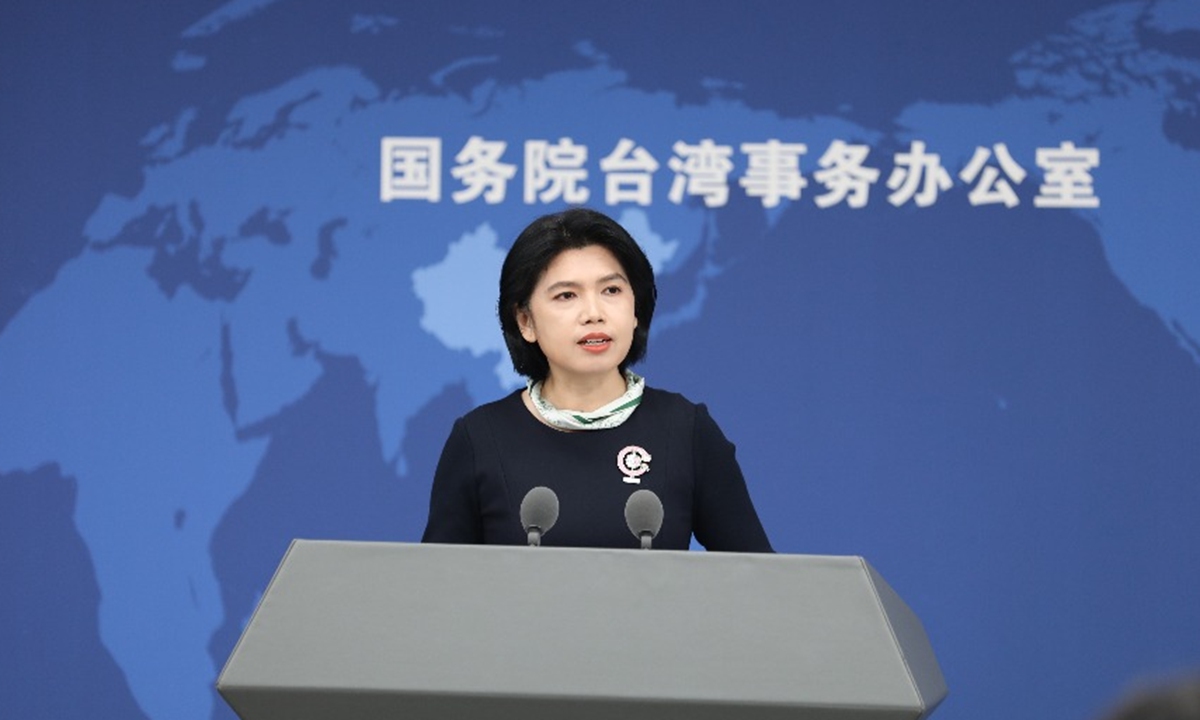
Mainland China Encourages Taiwanese Innovation as ZXMOTO Thrives
China is open to Taiwan businesses, promoting collaboration after ZXMOTO's Superbike Championship win, enhancing economic ties.

Fitch Assigns BBB+ Rating to SoftBank Euro Bonds Issuance
Fitch Ratings assigns "BBB+" to SoftBank's euro bonds, reflecting investor confidence amid a challenging global economy.