

Skyworth's Shift: Managing Opportunities and Risks in Tech

In an era where technological innovation and market agility are paramount, Skyworth's recent revelations in their 2025 annual report signal a significant shift in their operational strategy. The introduction of the "感-端-智" (Feeling-Terminal-Intelligence) technological architecture, coupled with their "智能原生" (Intelligent Native) strategy, underscores the company’s commitment to enhancing the functionality of intelligent terminal devices. This transition emerges at a crucial time when consumer preferences are increasingly swaying towards integrated technology solutions—are businesses adequately prepared to meet the evolving consumer demands?
An analysis of Skyworth's initiatives reveals a clear trajectory towards product innovation, particularly targeting the 2026 timeline. Enhanced capabilities in local processing, advanced voice control, and integrated smart home services are indicative of deeper investments in technology. This is not merely about product enhancement; it represents a strategic pivot from standalone hardware sales to a more integrated service and platform model. Such a shift resonates with broader economic trends, including the growing demand for personalized digital experiences, which places pressure on companies to innovate rapidly. Skyworth's move towards an integrated business model, epitomized by offerings like the "Smart Box + Fitness Content," suggests they are well-aligned with market dynamics that favor holistic solutions over singular hardware offerings.
Geographical expansion plays a crucial role in Skyworth's strategy. By actively establishing a global localization approach and strengthening operations in markets such as Africa, Southeast Asia, and Latin America, the company enhances its operational flexibility, an essential asset in today's volatile market landscape. Historical parallels can be drawn here with the market behavior during the 2008 financial crisis, where companies reliant on rigid supply chains struggled more than those with diversified operational frameworks. Moreover, while Skyworth's growth in premium markets, particularly in Europe, is promising, potential vulnerabilities do loom, notably regarding the global supply chain's resilience. Although local manufacturing mitigates some risks, the specter of geopolitical tensions and economic slowdowns could disrupt operations. Such vulnerabilities warrant vigilance, particularly as competition intensifies in the smart technology arena.
In conclusion, while Skyworth is demonstrating commendable foresight in adapting to the rapidly evolving technology landscape—much like past winners in transformative markets—the company must continuously evaluate the potential risks associated with supply chain dependencies and competitive pressures. The balance between innovation and operational stability will be pivotal in determining their long-term success. Investors should remain vigilant and proactive, recognizing that while the current strategic initiatives are robust, the fast-paced nature of technology and market dynamics will require ongoing adaptability. Looking forward, could Skyworth's increased emphasis on intelligent integration and localization be the catalyst needed to redefine its market standing, or will external pressures hinder its ambitious trajectory?
Read These Next

Insights on 光力科技's Convertible Bonds Redemption
A comprehensive analysis of 光力科技's early redemption of convertible bonds, highlighting the financial implications, risks, and strategic consequences for stakeholders amid current market conditions.

Samsung's AI Chip Surge Yields Record Earnings
Samsung Electronics reported record earnings for Q1 2025, driven by surging demand for AI memory chips, projecting operating profits of 57.2 trillion won. The growth reflects a significant recovery of the memory chip market, despite underlying risks that could impact future performance.
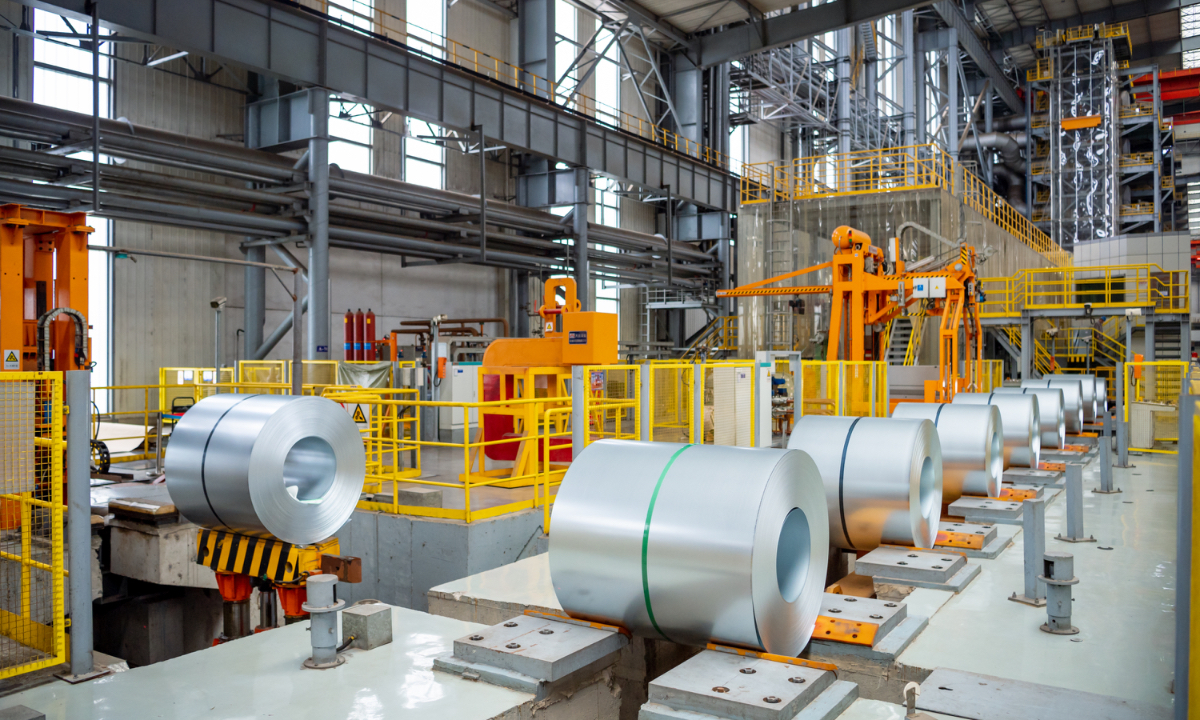
China's Bulk Commodity Price Index Jumps 4 Percent in March
China's bulk commodity price index rises post-holidays, driven by recovering production and effective policies amid global pressures.