

Hong Kong Stock Market Hits Five Year IPO High with AI Surge
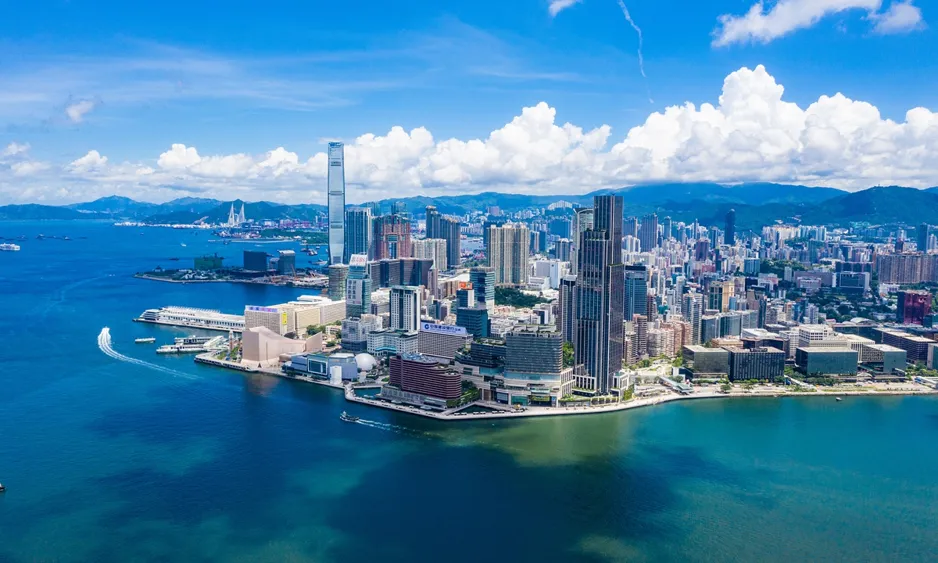
The Hong Kong Stock Exchange (HKEX) has made significant strides in the first quarter of 2026, achieving a remarkable milestone in initial public offerings (IPOs) that generated HK$110 billion, equivalent to approximately $13.3 billion. This figure represents the highest quarterly IPO proceeds since the second quarter of 2021, according to a report from Securities Times.
Analysts suggest that this resurgence in the IPO market illustrates a renewed investor confidence in technology-based offerings, particularly in the context of artificial intelligence (AI). Despite existing challenges around profitability, the active interest in tech IPOs signals a robust belief in the potential of mainland China's capital markets, largely fueled by advancements in technology. The influx of AI-driven listings has attracted significant global investment as highlighted in recent reports.
Data from Wind, a financial data provider, reveals that by March 31, a total of 40 companies had successfully completed IPOs on the HKEX platform, marking a staggering year-on-year increase of 150 percent. The fundraising figure for this quarter surged by 489 percent, clearly showcasing the rekindled market enthusiasm compared to 2025, when only 16 IPOs raised HK$18.669 billion.
In addition, the HKEX reported that over 400 listing applications were pending approval as of January 30, indicating a strong pipeline of new companies looking to enter the market. In Q1 2026 alone, Hong Kong witnessed 23 IPOs that raised $4.7 billion, coupled with 15 secondary listings totaling $8.5 billion.
High-tech firms have taken the lead, commanding a substantial portion of the equity capital markets activity with total investments of $7.6 billion, accounting for 36 percent of this quarter's market activity. A further indicator of tech's dominance in the market is provided by secondary market performances, where leading AI firms like Zhipu AI and MiniMax have achieved significant growth post-listing.
Wang Peng, an associate researcher at the Beijing Academy of Social Sciences, remarked that Hong Kong's renewed AI-driven capital market reveals a sustained investor appetite for high-growth technology, despite external market uncertainties. He noted that this trend indicates how the AI wave is reshaping the financing landscape in the region. As China's AI sector continues to evolve, the expectation is for more mainland AI firms to make their public debut on the HKEX.
Financial Secretary Paul Chan presented an overview of Hong Kong's economic performance for the first quarter, underlining the active trading environment and robust IPO activity despite a market correction. He acknowledged that external factors had brought about a correction in the Hong Kong stock market, resulting in the Hang Seng Index dropping approximately 2 percent year-to-date.
Chan highlighted that the average daily turnover during the first two months exceeded HK$260 billion, reflecting a 17 percent year-on-year increase. This rising activity continued into March, with daily turnover surpassing HK$300 billion, a notable increase, further underscoring the city’s reputation as a reliable haven for investors amid uncertainties.
Looking ahead, analysts predict that the Hong Kong IPO market will maintain the momentum established in 2025, driven particularly by an influx of hard-tech companies and the rising trend of 'A+H' dual listings. Out of the 40 IPOs completed, 15 were 'A+H,' demonstrating the strategic importance of Hong Kong as a platform for mainland companies to access international capital.
Wang noted that this trend will solidify Hong Kong's position as an indispensable center for overseas financing for mainland enterprises. Meanwhile, the ongoing refinement of the listing mechanism in Hong Kong is expected to pave the way for even more high-quality new economy firms to come to market, further enhancing Hong Kong's status as a global financial hub.
Read These Next

Stable Capital Structure in Market Volatility
Commentary on 理士國際技術有限公司’s financial stability, regulatory compliance, and risks related to market conditions and growth strategies.

Futures Trends Analysis for Lithium Carbonate and Ethylene Glycol
Soybeans rose 4.41%; lithium carbonate and ethylene glycol fell 4.17% and 3.83%. Canola up 4.11%, polysilicon down 3.78%.

Stability or Stagnation? Examining HK Broadband's Strategy
Hong Kong Broadband Network Limited presents a case of financial stability amid potential growth constraints. Its decision to maintain issued shares without change raises questions among investors about future capital flexibility and growth opportunities.