

OPEC+ to Raise Oil Production Analysts Call Impact Nominal
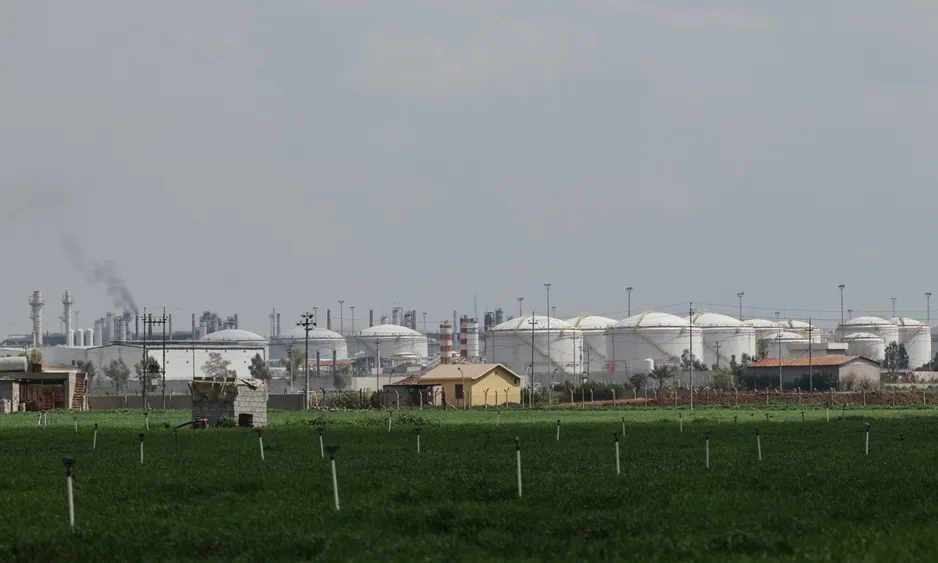
OPEC+, comprising eight major oil-producing nations, has reached a consensus to increase its oil output quotas by 206,000 barrels per day for the month of May. This adjustment appears to be a strategic response aimed at stabilizing the surging global oil prices amidst ongoing geopolitical tensions related to the US-Israeli war with Iran.
The nations involved in this production boost include Saudi Arabia, Russia, Iraq, the United Arab Emirates, Kuwait, Kazakhstan, Algeria, and Oman. Among these members, Saudi Arabia and Russia will lead with an additional output of 62,000 bpd each, while Iraq's output will increase by 26,000 bpd.
Although this hike signifies a proactive approach, analysts from China underline that any substantial effect may be curtailed if the escalating conflict restricts access to essential shipping routes through the Strait of Hormuz, a crucial chokepoint for global oil transportation.
The incremental increase by OPEC+ represents less than two percent of the output disrupted by the closure of the Strait, as reported by Reuters. Furthermore, industry experts suggest that the actual impact of this production adjustment may remain largely theoretical, as several key producers might struggle to realize these output enhancements amidst the ongoing conflict.
Yang Delong, chief economist at First Seafront Fund, highlighted that geopolitical instability in the Middle East is contributing to pronounced volatility in the global crude market. Moreover, the shifting positions of U.S. officials regarding the war add an additional layer of uncertainty, leading to price fluctuations dependent on real-time news developments.
The announcement from OPEC+ takes place against a backdrop of tumultuous oil market dynamics, evidenced by Brent crude prices soaring above $110 per barrel before retracting in response to prospects of a potential ceasefire between the U.S. and Iran.
According to Lin Boqiang, director at the China Center for Energy Economics Research, the true efficacy of the production increase hinges on the ability to export crude from the Middle East. Should shipping through the Strait of Hormuz remain impaired, the participating members may have to curb output due to inadequate storage or potentially seek alternative shipping routes.
The ramifications of the U.S.-Israel-Iran war have severely obstructed oil exports from several OPEC+ countries since late February, with the Strait of Hormuz previously facilitating approximately 20 million barrels per day, or around twenty percent of global oil supply.
Despite the pressing nature of rising oil prices, certain countries, particularly China, are adapting through diversification of energy sources. Analysts note an acceleration in the advancement of renewable energy technologies, positioning these nations to better confront the present challenges to energy security.
As noted by analysts, China's energy strategy has evolved, decreasing its dependence on oil. The development of renewable technologies, including wind and solar, has been significant, evidenced by new-energy vehicle sales surpassing those of traditional vehicles. This suggests limited implications for China's economy from rising oil prices.
Read These Next

Broadcom's AI Chip Expansion Alters Tech Landscape
This commentary discusses Broadcom's recent agreements with Google and Anthropic, analyzing their impact on the AI chip market and the broader technology industry.

FTSE China A50 Index Futures Rise 036 Percent to 14565 Points
FTSE China A50 index futures rose 0.36% to 14,565 points on the 6th, reflecting optimism in China's market outlook.

Trump's Ultimatum: Navigating Global Market Uncertainty
An analysis emphasizing the implications of President Trump's ultimatum to Iran and the corresponding market reactions, highlighting potential risks and opportunities for investors amidst geopolitical volatility.