

Chinese government bonds remain resilient amid broader sell-off
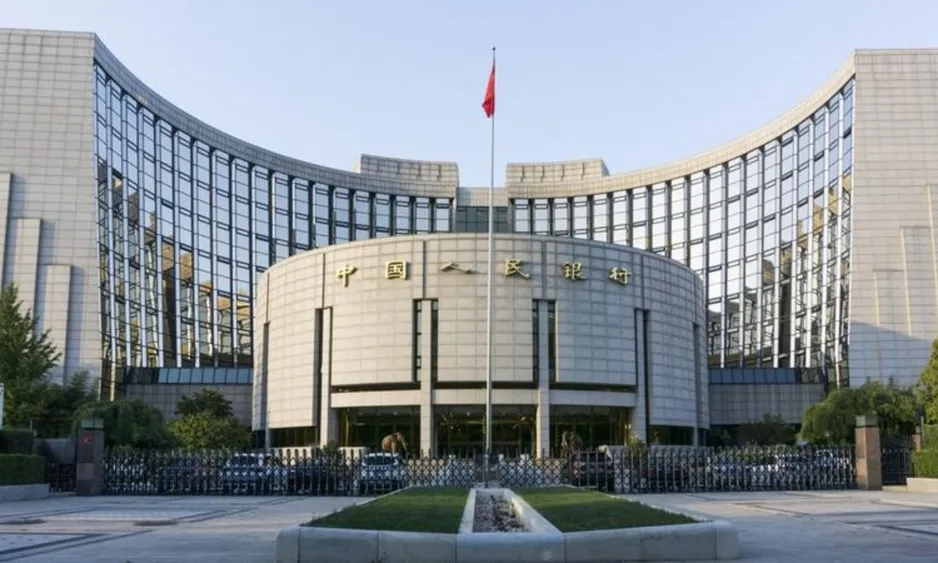
Chinese government bonds have demonstrated notable resilience over the past month, attracting investors as global markets face increasing volatility and uncertainty. This trend emerges despite a broader sell-off in bonds from major economies such as the United States and Europe, highlighting Chinese assets as a reliable 'safe haven' amidst geopolitical tensions.
Recent data underscores a divergence in bond yields, with China's 10-year government bond yields slightly declining to 1.81 percent since the end of February. In stark contrast, yields on 10-year US Treasuries rose by 0.38 percentage points to 4.34 percent, while UK gilts saw an even larger increase of 0.7 percentage points. The relationship between bond yields and prices is crucial in this context; heavy selling drives prices down, consequently pushing yields higher.
The Financial Times has pointed out that China's economy is emerging as a haven from surging energy prices and escalating global inflation. This perception among investors suggests a confidence in the robustness of the Chinese economic framework in contrast to many Western nations.
In recent weeks, commodity prices have seen significant volatility. On a recent Thursday, the spot price of gold dropped approximately 3 percent, silver fell by 5.5 percent, and Brent crude oil, a key global benchmark, rose by 7.51 percent. This fluctuation in commodities further emphasizes the relative stability offered by Chinese government bonds.
Wang Peng, an associate research fellow at the Beijing Academy of Social Sciences, remarked that investors see China's economy as more insulated from the impacts of the energy crisis compared to other nations. He noted that China's productive industrial system and diverse energy portfolio, which includes strengths in both coal and renewable energy, have helped mitigate risks associated with international energy price volatility.
Several global research institutions have highlighted the Chinese government's commitment to diversifying its energy import sources and structure. This strategy is seen as an effective buffer against the backdrop of the ongoing US-Israel-Iran conflict in the Middle East, which has implications for global energy markets.
Wang further indicated that China's consumer price index (CPI) has remained stable for an extended period. Unlike Europe and the United States, which are grappling with significant inflationary pressures, China's moderate CPI growth has contributed to stable real interest rates, bolstering the real returns on its bonds.
Moreover, China's monetary policy, which operates independently from the US Federal Reserve, provides policymakers with flexibility to offer liquidity support for government bonds. This contrasts sharply with the volatility experienced in overseas markets, as China's consistent macroeconomic policies have lowered risk premiums, thereby strengthening price support for government bonds during turbulent periods.
The ongoing resilience of Chinese government bonds amidst global economic challenges signals a strategic investment opportunity for risk-averse investors seeking stability. The current investment landscape, marked by international uncertainties, reinforces the notion of Chinese assets as a viable option for those navigating through potentially tumultuous financial waters.
Read These Next

Market Sentiment Challenges US Government Credibility
Market sentiment shifts raise concerns about US government credibility amid rising energy prices and mixed consumer confidence indicators.

ZXMOTO founder clears up misinterpretation on government support
ZXMOTO's founder Zhang Xue clarifies independence from government support, emphasizing regional collaboration in motorcycle production.

Severe Rainfall in Northwestern Pakistan Claims 45 Lives
Heavy rainfall in northwest Pakistan since March 25 has killed 45 and injured 105, disrupting infrastructure and lives.