

Trump's Iran Threat Shakes Asian Stocks, US Futures, Oil Prices
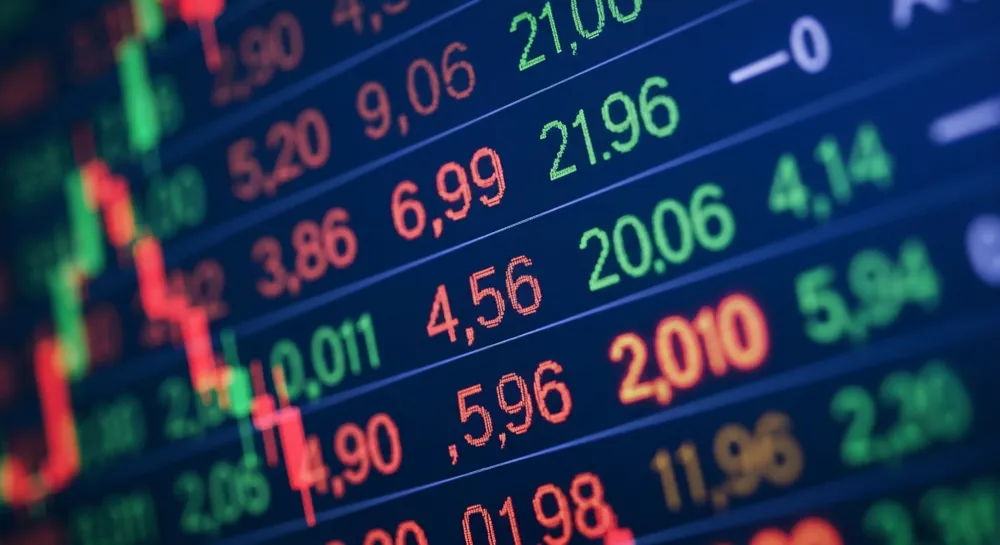
In an impactful national address, US President Donald Trump declared the United States would deliver an "extremely hard strike" against Iran in the coming weeks. The immediate aftermath of this announcement was felt in global markets, where Asian stocks plummeted and US futures turned negative, signaling investor concern over escalating geopolitical tensions. Trump's fiery rhetoric has not only shaken Asian stock markets but also sent ripples through oil prices and bond yields, raising alarms about potential long-term economic implications.
Immediately following Trump's speech, Asian markets, which had previously experienced an upward trend, turned sharply negative. For instance, South Korea's Kospi index plummeted by 5.5%, with similar declines observed across indices in Australia and Japan. US futures followed suit, dropping over 1% for the major indices. This reaction underscores the vulnerability of markets to geopolitical tensions, as evidenced also by a rise in the yield on 10-year US Treasury bonds, which increased by 6 basis points to 4.384%. The swiftly shifting dynamics indicate that investors are re-evaluating risk parameters as uncertainty lingers.
Oil prices were notably volatile, with Brent crude futures soaring 6.7% to $107.92 per barrel. This surge aligns with historical patterns observed during geopolitical conflicts affecting oil production and transportation routes, reminiscent of the repercussions witnessed during the 2008 financial crisis when oil spikes directly correlated with increased market volatility. Analysts, including Rachel Ziemba from Ziemba Insights, caution that Trump's aggressive stance may lead to further destabilization of energy infrastructure across the Persian Gulf, thereby exacerbating the existing energy crunch faced globally. In the backdrop of these developments, the importance of the Strait of Hormuz remains critical, as any disruptions could significantly impact supply chains and pricing.
Contrasting assessments emerge from experts regarding the long-term impact of Trump's remarks. Chetan Seth of Nomura highlights that risk-sensitive equities may continue to face headwinds as uncertainty looms. While Alicia Garcia Herrero from Natixis expresses skepticism about the feasibility of an imminent de-escalation, indicating that Trump's military reinforcements in the region undermine his claims of nearing conflict resolution. Such expert commentary not only points to the complexity of international relations but also raises pertinent questions about the assumptions investors might hold regarding perceived political rhetoric.
Looking ahead, the trajectory of both markets and energy prices remains laden with uncertainty. Stakeholders must recognize that the unfolding situation in Iran could lead to further disruptions in oil supply, which might trigger a more profound energy crisis reminiscent of prior geopolitical tensions. Investors should remain vigilant, reassessing their exposure to sectors sensitive to energy prices while considering potential safe havens amidst volatility. As market reactions continue to evolve, will Trump’s assertive posture lead to a rapid resolution, or does it set the stage for an extended period of uncertainty and industrial recalibration?
Read These Next

Annual Report: Stability Amid Economic Challenges
Overview of the company's financial stability, emphasizing unchanged share capital, consistent issued shares, regulatory compliance, and underlying risks.

Xiongan New Area named city of the future in China
Xiongan New Area evolves into an innovation hub, relieving Beijing's urban pressure and focusing on sustainable economic growth.

Volvo Cars Q1 Sales in Greater China Drop 17 Percent to 28330
Volvo Cars reported 28,330 vehicle sales in Greater China Q1 2026, a 17% drop from last year, raising investor concerns.