

Coinbase Clears Key Regulatory Hurdle for Stablecoin Boost

Coinbase's recent conditional approval from the U.S. Office of the Comptroller of the Currency (OCC) marks a significant regulatory milestone for the cryptocurrency exchange giant. This approval paves the way for Coinbase to operate as a trust bank, a move that could bolster its position in the competitive landscape of digital finance. As the company aims to develop new payment products and custodial services under federal oversight, this approval is not only crucial for Coinbase's operations but also carries broad implications for the cryptocurrency market as a whole. The evolving regulatory environment could foster greater acceptance and institutional involvement in blockchain technologies, potentially reshaping how cryptocurrencies function in mainstream financial ecosystems.
The OCC's conditional approval is particularly significant as it allows Coinbase to circumvent the more cumbersome state-level regulations that have historically plagued financial technology firms. By obtaining federal oversight, Coinbase can engage in activities that require uniformity in regulatory standards, reducing the friction that comes from operating across multiple jurisdictions. This change could enhance Coinbase's operational capabilities while simultaneously leveling the playing field against established financial entities such as PayPal and Square. As Paul Grewal, Coinbase's Chief Legal Officer, noted, streamlining futuristic products related to digital assets through improved regulatory pathways could greatly enhance the utility of cryptocurrencies.
However, the approval has evoked a spectrum of opinions among industry experts. While many recognize the potential for greater stability and legitimacy for the company and the cryptocurrency sector at large, others caution against overly optimistic interpretations of the approval. Critics argue that despite the competitive advantages that might arise from this development, Coinbase's position in the global stablecoin market still faces several hurdles. For instance, the persistent dominance of Tether's USDT raises questions about user adoption and market liquidity for USDC, Coinbase's flagship stablecoin. Moreover, investors remain wary over the potential for regulatory swings in the future, especially under changing political landscapes, which could alter the regulatory framework surrounding stablecoins in unpredictable ways.
In summary, the OCC's conditional approval serves as a double-edged sword; it heralds a new chapter for Coinbase and possibly the larger cryptocurrency ecosystem while simultaneously highlighting the uncertain regulatory terrain that lies ahead. This regulatory victory could foster investor enthusiasm, boosting sentiment for Coinbase's stock and the overall crypto market, especially if stablecoins gain traction as viable payment methods. For institutional investors, the key takeaway is to remain vigilant of how shifts in regulations could influence operational capabilities and, ultimately, market dynamics.
Read These Next
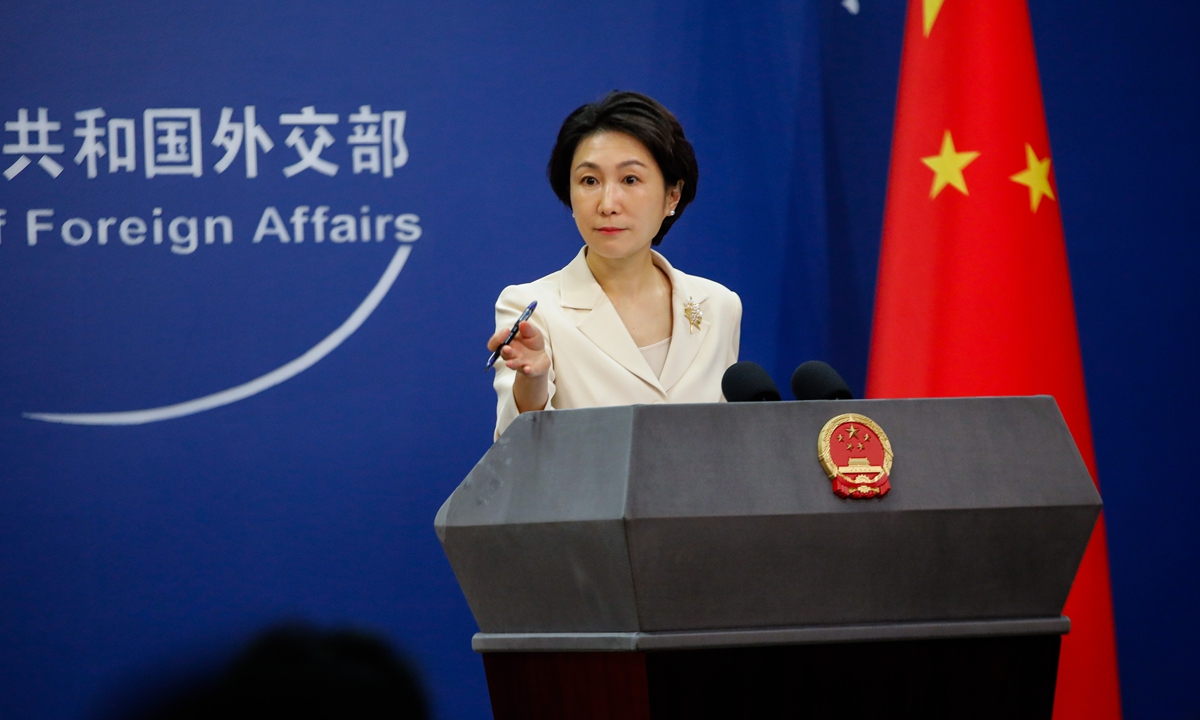
Middle East Tensions Drive Global Energy Shortage Says China
China blames Middle East tensions for the global energy shortage, urging collaboration and addressing fuel aid questions.

US Dollar Index Sees Increase on the 2nd
The US dollar index rose on April 2, driven by demand as a safe-haven amid global economic uncertainty, impacting trade.

Hang Seng Index Future Rises 058% Closing at 25233 Points
On April 3, the Hang Seng Index rose 0.58% to 25,233 points, reflecting optimism amid global economic recovery.