

Military Actions in Iran Drive Aluminum Prices Up
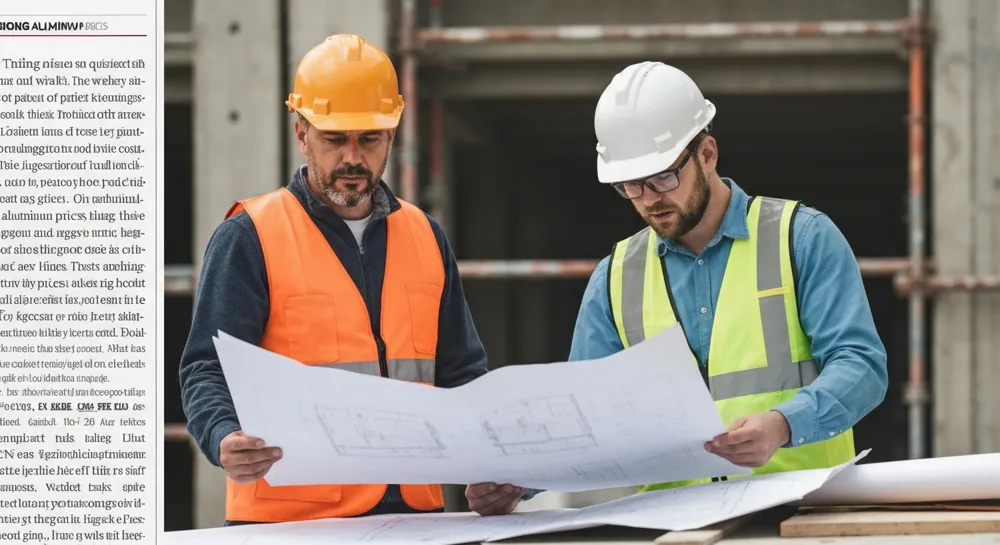
The recent military actions in Iran targeting key aluminum producers have sent shockwaves through the global metal market, particularly impacting aluminum prices. This escalation, marked by drone and missile attacks on Emirates Global Aluminum (EGA) and Aluminium Bahrain, has created a highly precarious situation for the industry, prompting strong reactions in commodity markets and raising concerns over potential supply crises. With aluminum futures reaching levels not observed since April 2022, the dynamics of supply and demand are undergoing significant scrutiny.
Initial reactions in the market were decisive, with aluminum prices surging by 5.5% on the London Metal Exchange, peaking at $3,492 per tonne, before settling at a still-elevated $3,381 per tonne by the end of the day. This jump reflects a broader increase of about 10% in prices since February 28, when the conflict intensified. Such fluctuations are alarming, especially when considering the material's essential role across various sectors including construction, automotive, and renewable energy, which could further exacerbate inflationary pressures. The specter of a global recession looms large, creating a paradox where aluminum prices soar even as broader market sentiment grows bearish.
Given that nearly 9% of the world's aluminum supply is sourced from the Gulf region, the attacks have destabilized already fragile supply chains. Analysts like Joyce Li from Macquarie Group suggest that the anticipated production cuts could usher in a substantial annual deficit, projected between 800 to 900 kilotons. Moreover, as aluminium supply tightens, manufacturers may either face increased production costs or be compelled to seek alternatives, thereby amplifying the pressure on both consumers and producers alike. This also raises critical questions: Can the global market effectively navigate these supply shocks, or are we on the precipice of a deeper economic crisis reminiscent of the 2008 financial downturn?
On the macroeconomic front, such disruptions may prompt policymakers to reevaluate emergency measures to stabilize markets, akin to previous interventions seen during the financial crises. However, overreliance on inventory strategies or short-term fixes may overlook the deeper issues at play, particularly in fostering a more robust and diversified supply chain structure. While the potential for China to offset some of these losses through increased production exists, S&P Global's Soriano cautions against expectations of significant output increases, indicating that global vulnerabilities are likely to persist.
In conclusion, the current state of aluminum prices and supply dynamics epitomizes the interconnectedness of global markets and the profound impact of geopolitical tensions. As stakeholders—ranging from investors capitalizing on price fluctuations to consumers facing higher material costs—navigate these turbulent waters, it is essential to maintain a balanced perspective. The unfolding situation presents both risks and opportunities, particularly in strategizing policy responses and corporate adaptations in the face of potential long-term disruptions. Ultimately, the key question remains: how will firms adapt to a rapidly changing landscape, and will they successfully insulate their operations from impending shocks?
Read These Next
Corporate Changes: Managing Financial Gains and Risks
Analysis of the company's recent financial disclosures highlighting performance indicators, risk assessments, and implications for stakeholders.

China's Innovation Surge Driven by Tech Industry Integration
China's Zhongguancun Forum showcased AR and AI innovations, highlighting tech's role in transforming industries and enhancing collaboration.
Uzbekistan Exports No Gold in February Says State Statistics Committee
Uzbekistan did not export gold in February 2026, raising concerns over its economy and international gold market dynamics.