

Market Dynamics Amid Geopolitical Tensions and Economic Trends

The current stock market landscape is shaped by a confluence of geopolitical tensions, key economic indicators, and pivotal corporate earnings. As analysts sift through the nuances of these developments, it is clear that the wariness surrounding escalating tensions in Iran is particularly significant. This commentary will explore how such tensions, employment data, and Nike's upcoming financial results may steer market trajectories in the near term.
The conflict in Iran stands as a substantial concern for global markets, reflecting an underlying vulnerability within the fabric of the international economic order. As Iran is a critical player in the oil sector, any escalation could disrupt the supply chain and, consequently, inflate commodity prices. Analysts have noted that such price surges could impose significant inflationary pressures on a global scale, leading to increased costs for a myriad of industries, particularly energy and transportation. Also, historical precedents suggest that regional conflicts often exacerbate existing market fluctuations. For example, the Gulf War in the early 1990s resulted in pronounced spikes in oil prices, reminiscent of potential future scenarios if current tensions escalate. Investors should remain alert to potential sectors that would thrive under such circumstances—companies pivoting towards alternative energies may find a favorable landscape amid rising oil prices.
Following closely behind the geopolitical narrative is the anticipation surrounding forthcoming employment data. The importance of this data transcends its immediacy, as it serves as a proxy for the overall economic health of the U.S. Following the COVID-19 pandemic, labor market signals have evolved into indicatives of consumer confidence and economic recovery. A robust employment report could reaffirm growth trajectories, while weak data may hint at a faltering recovery. With interest-sensitive sectors like real estate and consumer goods vulnerable to shifts in labor market trends, one must critically assess whether a strong consumer sentiment is genuinely reflective of underlying economic realities or simply a temporary reprieve. Thus, while consensus forecasts cautiously anticipate positive payroll gains, one must ponder: are we truly out of the woods, or is this merely a delaying tactic to bolster confidence?
Nike’s impending financial results further underscore the current market dynamics. As a leading player in the consumer market, Nike’s performance is indicative of consumer behavior trends amidst immediate challenges like supply chain disruptions and inflationary pressures. Analysts expect the results to reflect these challenges, with the potential for significant fallout depending on how the company navigates these headwinds. A positive earnings surprise could bolster broader market optimism, catalyzing stock rebounds across the consumer sector, analogously to past instances during sound earnings reports which propelled market confidence. Conversely, disappointing results could compound broader market anxieties, leading to increased volatility within consumer-focused equities. As such, Nike’s upcoming performance serves as both a bellwether for the retail sector and a litmus test for consumer sentiment.
Emerging from these pivotal events, two key trends surface. First, a shift toward defensive stocks appears increasingly attractive to investors, who are seeking shelter from potential economic headwinds. Companies with robust EBITDA margins may outperform the broader market as risk aversion takes hold. Simultaneously, the urgency toward clean technologies gains momentum, especially for stakeholders prepared to adapt to volatile energy prices. This dual trend highlights a critical juncture wherein both defensive investing and innovation converge.
In conclusion, the multifaceted nature of today's market challenges—from geopolitical strife to upcoming economic indicators—necessitates a vigilant approach from investors. The unpredictable trajectory of energy prices and employment data alongside key corporate results creates a complex landscape to navigate. Investors would be prudent to remain informed and adaptable, as these unfolding events could significantly influence market dynamics in the short term.
Read These Next

Meta's Legal Failures Raise AI Research and Safety Concerns
This article analyzes Meta's legal setbacks and their implications for AI research and consumer safety, emphasizing the need for transparency and responsible corporate practices in technology development.
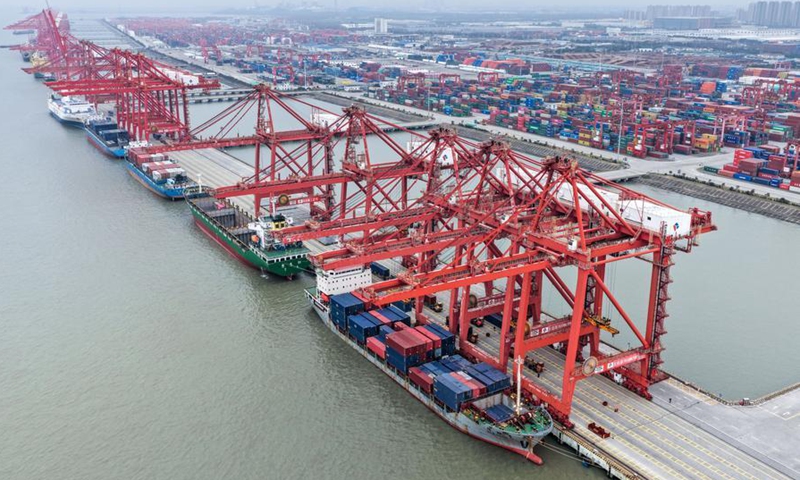
China's February Trade in Goods and Services Hits 393 Trillion Yuan
China's international trade in goods and services exceeded 3.93 trillion yuan in February 2026, showing strong exports and economic robustness.

Iran Calls US Suggestions Through Intermediaries Unreasonable
Iran's Foreign Ministry criticized U.S. proposals, calling them extreme and unreasonable, stressing respect in dialogues.