

Proposal by US Lawmakers to Ban Chinese Humanoid Robots
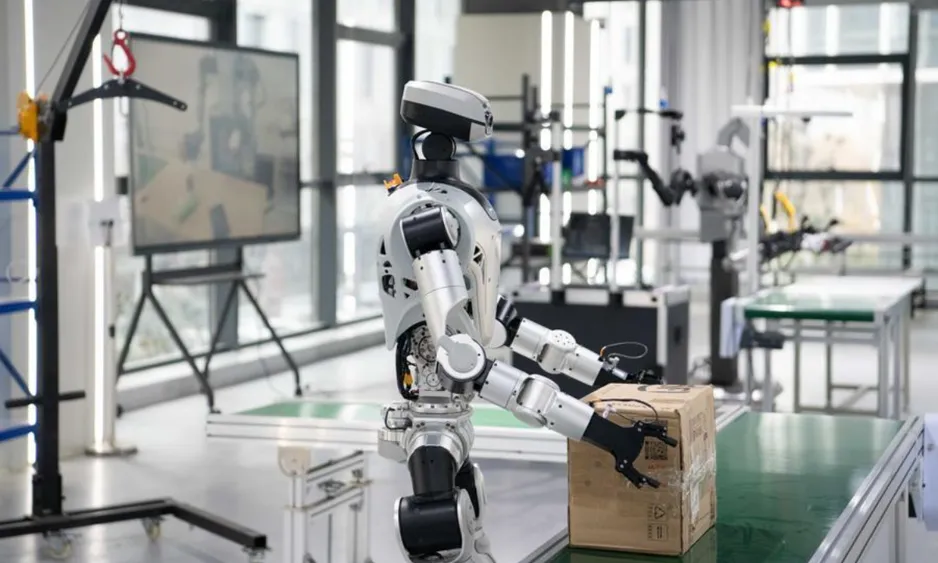
In a significant move reflecting growing security concerns, U.S. lawmakers have proposed legislation aimed at prohibiting federal agencies from acquiring or utilizing Chinese-made humanoid robots. This initiative has elicited responses from Chinese officials who decry the restrictions as unfounded and indicative of Washington's escalating apprehension towards competition with China in advanced technology sectors.
The proposed "American Security Robotics Act," which is set to be introduced by Republican Senator Tom Cotton and Democratic Senator Chuck Schumer, specifically targets unmanned ground vehicles produced by perceived adversaries, including China. The legislation would ensure that federal funds are not allocated to the purchase or use of these robotic systems.
Lawmakers have articulated that these humanoid robots pose a potential national security risk, alleging they could be harnessed for data collection that might be transmitted back to China or remotely operated from within the country. This perception underscores a growing urgency in U.S. policymaking circles to address perceived threats posed by foreign technological advancements.
The ongoing U.S.-China technological rivalry has elevated the robotics sector to a critical area of competition. Chinese firms are swiftly emerging as key players alongside established American companies, with reports indicating that firms such as Agibot and Unitree are seeking to launch share offerings in China, signaling robust interest in their innovations.
Experts suggest that the motivations driving this proposed legislation extend beyond genuine security concerns. Xiang Ligang, director-general of the Zhongguancun Modern Information Consumer Application Industry Technology Alliance, noted that the underlying impetus appears to stem from a strategic anxiety in the U.S. regarding its diminishing advantages in a rapidly evolving robotics landscape.
Xiang emphasized that the robotics industry relies heavily on practical applications and iterative improvement, areas where the U.S. may lack clear advantages in mass production and supply chain management. He also posited that the push for such restrictive policies might inadvertently hinder U.S. innovation rather than curb China's technology growth.
Importantly, while the proposed bill restricts the acquisition of certain Chinese robots, it includes provisions allowing U.S. military and law enforcement agencies to engage in research on these robots, provided these devices are incapable of sending or receiving data to or from China.
There has been an ongoing pattern of intensified U.S. scrutiny of Chinese technology. For instance, a group of lawmakers urged the Pentagon to designate Unitree as an entity aiding the Chinese military, highlighting a trend towards increasing vigilance against perceived threats from Chinese entities.
Xiang further criticized the disconnect between U.S. legislative actions and industrial realities, asserting that the push for stricter controls does not align with the interests of American businesses that prioritize collaboration, efficiency, and technological progress.
As the U.S. amplifies its scrutiny of China's advancements in various tech sectors, reports suggest China is building a self-reinforcing competitive advantage in areas such as AI and robotics. A Morgan Stanley analysis noted substantial advancements by China in humanoid robotics, raising concerns about the U.S.'s ability to keep pace without a clear strategic framework.
Chinese officials have been vocal in their opposition to U.S. technology restrictions, with the Foreign Ministry asserting that such measures undermine fair business practices and calling for an environment conducive to international cooperation. Recent statistics indicate that China commands a significant share of global AI and robotics patents, underpinning its leading role in the technology race.
Read These Next

Pursuing Economic Development as Central Task Constanly
China clarifies its growth-focused economic strategy, ensuring stability and resilience amid global challenges.

Iranian Military Claims Attack on US Naval Vessel
Iranian military hit a U.S. Navy vessel off Salalah, Oman, escalating tensions and impacting U.S.-Iran relations.

Yancoal's Strategic Spin-Off: A Double-Edged Sword?
Yancoal Energy's strategic spin-off of Wubo Technology Co., Ltd. reflects a strong performance in share prices prior to the decision, despite broader market downturns. However, potential regulatory scrutiny from the CSRC poses a significant risk that could affect the success of this initiative. Investors must balance the optimism of this spin-off with the inherent risks.