

EU Concerns Over Non-Level Playing Field Amid Security Walls
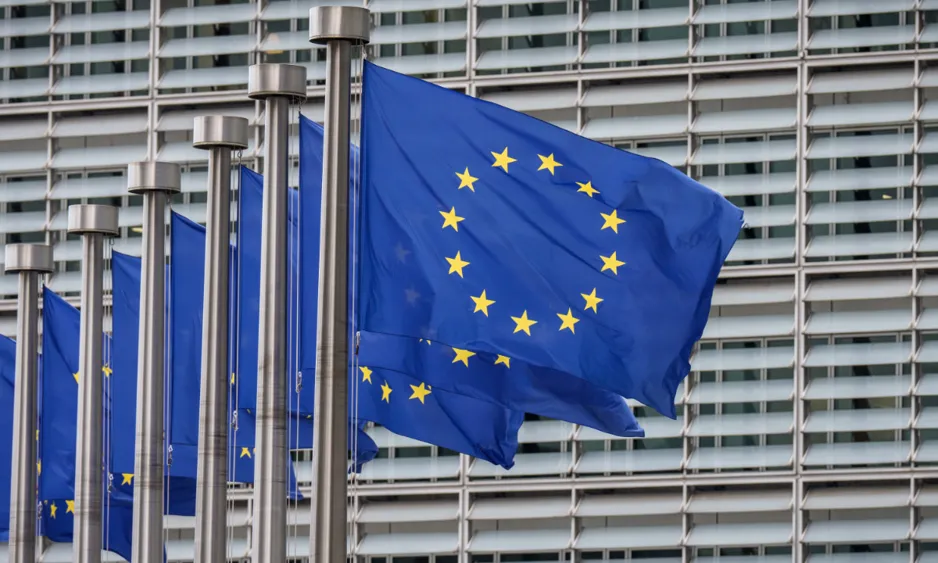
The European Union's recent trade security measures have stirred unease regarding potential discrimination against non-EU businesses, particularly those from China. This development has put a noticeable strain on diplomatic relations, with concerns being raised about the fairness and inclusivity of the EU's market policies.
Over the past few years, the EU has unveiled a comprehensive array of trade and industrial policy tools that underscore its commitment to security, sustainability, and fairness. Key initiatives include the Foreign Subsidies Regulation, the Carbon Border Adjustment Mechanism, the Critical Raw Materials Act, and proposed updates to the Cybersecurity Act and the Industrial Accelerator Act.
However, beneath these carefully curated initiatives, a troubling trend has emerged. The EU's measures appear to be reshaping its market into an increasingly selective and exclusionary entity, thereby creating what can effectively be described as a non-level playing field, alienating many international competitors.
Of particular concern is the assertion that some of these measures may overstep the EU institutions' legal framework. This politicization of economic governance intertwines security considerations with market access, which stands in contrast to the foundational principles upheld by the World Trade Organization and exacerbates tensions particularly with China.
On March 4, 2026, the European Commission introduced its Industrial Accelerator Act, which notably emphasizes preference for products deemed as ‘union origin’ in public procurement processes. This initiative faces criticism for fostering divisions among EU member states and from other significant trading nations.
The proposed act imposes restrictions on foreign investments in critical sectors like batteries, electric vehicles, and critical raw materials, with thresholds specifically targeting nations holding more than 40 percent of global capacity in these fields. As many analysts have highlighted, these measures disproportionately impact industries dominated by Chinese companies.
Concerns have surfaced regarding compliance with core WTO obligations, such as national treatment and the most-favored-nation principle, creating apprehension that these moves may contradict the spirit of the Agreement on Trade-Related Investment Measures and the Agreement on Trade-Related Aspects of Intellectual Property Rights.
Chatham House, a respected UK think tank, suggests that the idea of ‘union origin’ signals a broader shift towards a protective policy stance against external partners, echoing the prioritization of domestic industries over international cooperation.
In parallel, the EU's cybersecurity strategy, notably revised on January 20, 2026, reflects a similar emphasis on national security concerns. The proposed changes assess risks associated with ‘high-risk suppliers’ and extend beyond technical evaluations to include connections with foreign governments, which has restricted certain Chinese firms from accessing vital sectors like 5G.
The implications of these measures have led to fears of legal challenges and institutional pushback within Europe. Legal experts, such as Michel Petite, highlight that such policies could encroach on national security prerogatives, complicating the delicate balance of powers within the EU.
Despite its historical advocacy for a rules-based international order, the current trajectory of EU policy increasingly seems at odds with WTO's non-discrimination principles, placing the EU at risk of undermining its long-standing credibility.
These trends underline the notion that Europe’s challenges are more reflective of internal structural issues rather than external competition. The commitment to exclusionary policies may not resolve these foundational weaknesses and could inadvertently lead to higher costs, reduced efficiency, and curtailed innovation incentives. As both China and the EU remain vital economic collaborators, a continued focus on protectionist measures could jeopardize their mutual interests and long-term cooperation.
Read These Next

Meta's Legal Failures Raise AI Research and Safety Concerns
This article analyzes Meta's legal setbacks and their implications for AI research and consumer safety, emphasizing the need for transparency and responsible corporate practices in technology development.
China's February Trade in Goods and Services Hits 393 Trillion Yuan
China's international trade in goods and services exceeded 3.93 trillion yuan in February 2026, showing strong exports and economic robustness.

Iran Calls US Suggestions Through Intermediaries Unreasonable
Iran's Foreign Ministry criticized U.S. proposals, calling them extreme and unreasonable, stressing respect in dialogues.