

India's Fuel Tax Cuts: Relief or Risk?

The Indian government's recent decision to slash central fuel taxes has ignited critical discussions about its implications for both consumers and the national economy. Designed to shield consumers from soaring oil prices exacerbated by geopolitical tensions in the Middle East, particularly the war in Iran, the temporary reduction of petrol and diesel excise duties represents a significant maneuver by New Delhi amid a turbulent energy landscape. With oil prices surging from approximately $70 to $122 per barrel in a matter of weeks, the weight of this policy shift on India’s fiscal health is under scrutiny.
Minister Hardeep Singh Puri's admission of a massive blow to tax revenues is telling of the delicate balancing act the government is performing. The excise duty cut—reducing petrol tariffs from 13 rupees to 3 rupees, and diesel from 10 rupees to zero—aims to mitigate consumer panic and rising living costs. However, this strategy raises critical questions about fiscal sustainability. With oil companies suffering losses of 24 rupees per liter on petrol and 30 rupees on diesel, is the government merely kicking the can down the road? The reductions might stave off immediate public dissatisfaction, but the long-term repercussions could exacerbate the existing budget deficit, an issue already fraught with volatility due to burgeoning public spending and limited revenue growth.
Expert warnings further illuminate the potential fallout from this policy change. As noted by Lychnikova-Shorsch from S&P Global, the persistent energy turmoil could lead to structural economic risks, particularly if inflation spirals out of control and diminishes domestic demand. The recent HSBC purchasing managers' index data indicating a contraction in private sector activity amidst rising inflation serves as a stark reminder of the interconnectedness of these economic factors. If local consumers face heightened prices due to sustained high oil costs, not only could inflation exceed the central bank’s comfort zone, but significant GDP growth projections may also falter, potentially dropping from 7.2% to 6.5% as suggested by Renaissance Investment Managers. Thus, the question arises: could this short-term relief lead to greater long-term economic instability?
As we look ahead, it is essential for the government to consider alternative strategies that incentivize domestic oil production while managing external dependencies. Engaging in a more diversified energy policy could reduce vulnerability to international price fluctuations. Moreover, collaboration with market stakeholders, such as producers and consumers, will be key to reinforce market confidence. Given the current geopolitical landscape, investment in renewable energy sources could also help cushion against future shocks by decreasing reliance on fossil fuels. Failing to do so may not only hinder India’s economic recovery but could also hamper its aspirations of becoming a global economic powerhouse.
Read These Next
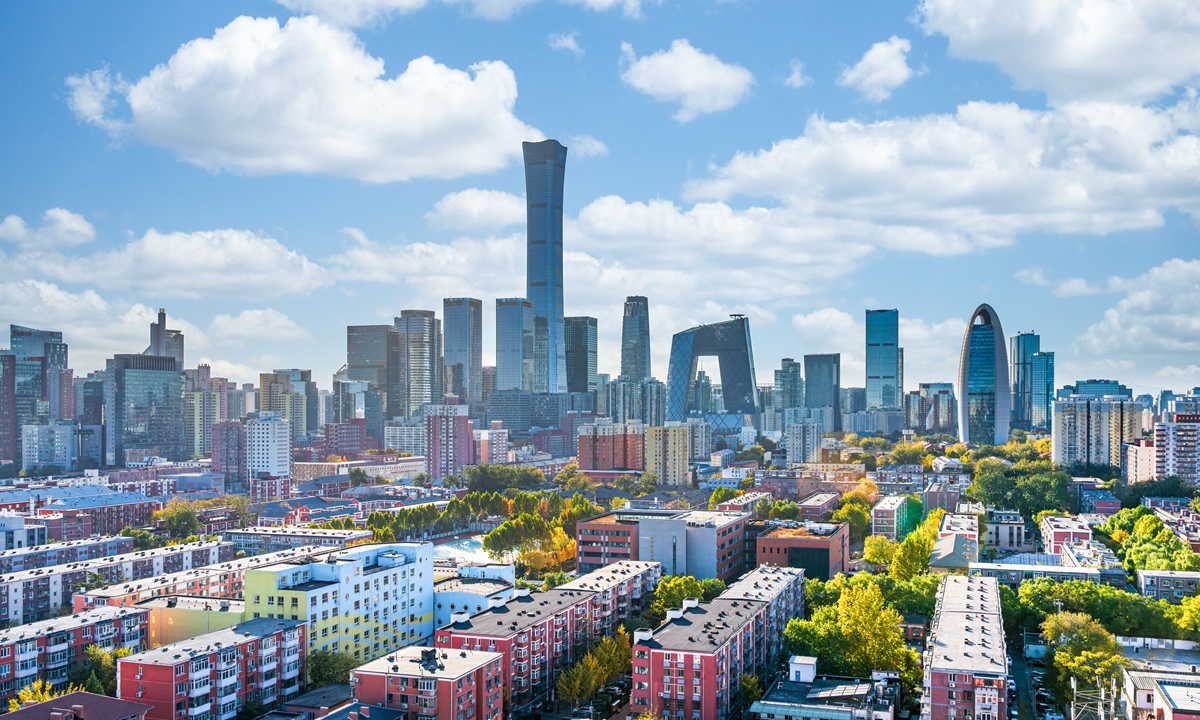
Pursuing Economic Development as Central Task Constanly
China clarifies its growth-focused economic strategy, ensuring stability and resilience amid global challenges.
Iranian Military Claims Attack on US Naval Vessel
Iranian military hit a U.S. Navy vessel off Salalah, Oman, escalating tensions and impacting U.S.-Iran relations.

Yancoal's Strategic Spin-Off: A Double-Edged Sword?
Yancoal Energy's strategic spin-off of Wubo Technology Co., Ltd. reflects a strong performance in share prices prior to the decision, despite broader market downturns. However, potential regulatory scrutiny from the CSRC poses a significant risk that could affect the success of this initiative. Investors must balance the optimism of this spin-off with the inherent risks.