

China Aims to Boost Imports from Europe Calls for Trade Neutrality
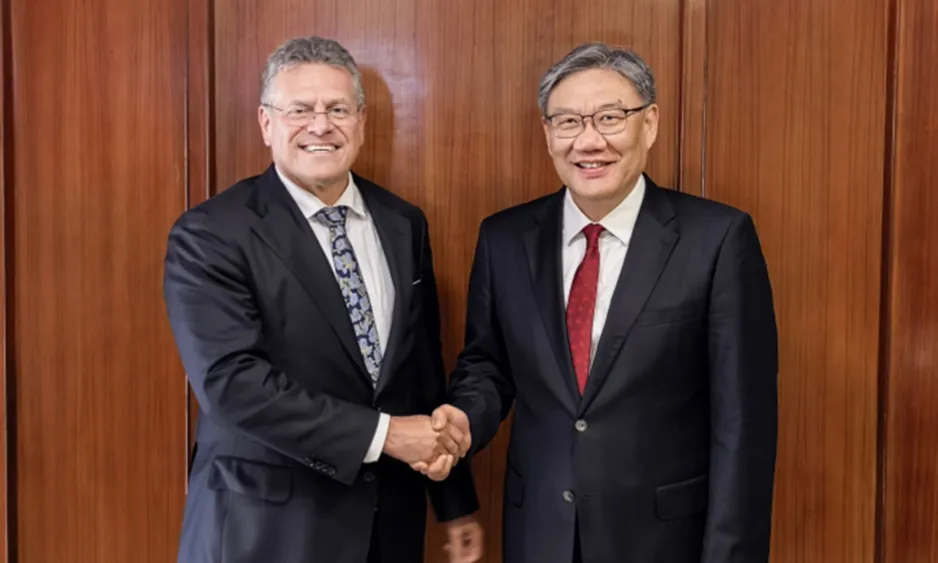
At the recent World Trade Organization conference, China's Commerce Minister Wang Wentao emphasized the nation's commitment to expanding imports from Europe. In a meeting with European Commissioner for Trade and Economic Security Maros Sefcovic, he urged the European Union to refrain from politicizing trade and to ease export controls on high-tech products.
The discussions highlighted the importance of reforming the WTO and strengthening the economic and trade relationship between China and the EU. Wang reaffirmed that both parties play a crucial role as supporters of a multilateral trading system and should work collaboratively to achieve concrete outcomes at the Ministerial Conference.
A key principle Wang articulated was the Most-Favored-Nation treatment, which he deemed foundational to the multilateral trading system. He stressed the necessity for both China and Europe to lead by example in upholding this principle, while also expressing concerns about the abuse of industrial policies by certain members within the WTO.
Wang underscored the significance of open dialogue between China and Europe, stressing their roles as substantial economic partners. He called for a rational and objective evaluation of China's development by the EU, which would lead to better management of existing tensions and foster a healthier trajectory in bilateral economic relations.
The Chinese Minister also voiced apprehensions over recent EU legislation such as the Foreign Subsidies Regulation and the proposed Industrial Accelerator Act, describing these measures as potentially disruptive to normal trade cooperation and the stability of supply chains. He urged that China's concerns be taken seriously and addressed effectively through open dialogue.
In response, Commissioner Sefcovic indicated that the EU recognizes the necessity of WTO reforms and expressed readiness to cooperate with China to ensure the success of the Ministerial Conference. He noted that while the principle of Most-Favored-Nation treatment is essential, it requires adaptation to suit current global conditions.
As both sides adapt to the evolving landscape of EU-China economic relations, Sefcovic expressed the EU's willingness to engage further with China, aiming to manage differences effectively and promote stability in bilateral trade.
To facilitate ongoing cooperation, the two sides agreed to establish a trade and investment working group. This initiative is designed to address and discuss issues that may arise within the context of their economic partnership.
Both parties also committed to continuing dialogue through an upgraded export control dialogue mechanism, aiming for a structured approach to resolving trade challenges. This represents a step towards enhancing the overall economic and trade relations between China and the EU.
The discussions between China and the EU illustrate a shared interest in fostering a stable trading environment amid a complex global economic landscape.
Read These Next

Tech Stocks Suffer Worst Week in Nearly a Year Amid Turmoil
This commentary analyzes the recent sharp decline in tech stocks, emphasizing the roles of geopolitical tensions, rising energy prices, and legal challenges for major companies like Meta and Micron. It discusses the implications for corporate strategies, investor sentiment, and future opportunities in the sector.
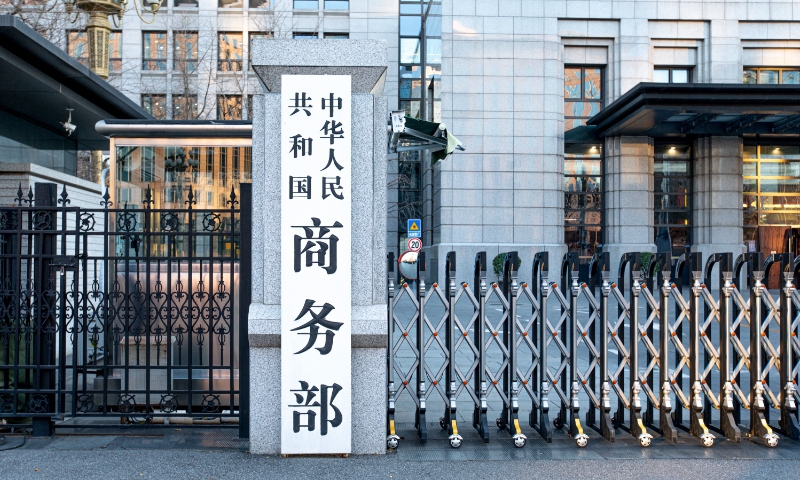
China Launches Investigations into US Trade Measures Impacting Supply Chains
China's Ministry of Commerce begins trade barrier probes in response to USTR investigations, aiming to protect enterprises and global supply chains.

S&P Says Morocco Vulnerable to Energy Price Fluctuations
S&P study shows Morocco's economy is vulnerable to energy price fluctuations due to 90% import reliance; further measures needed.