

Middle East Tensions Impact ASEAN and Europe Relations
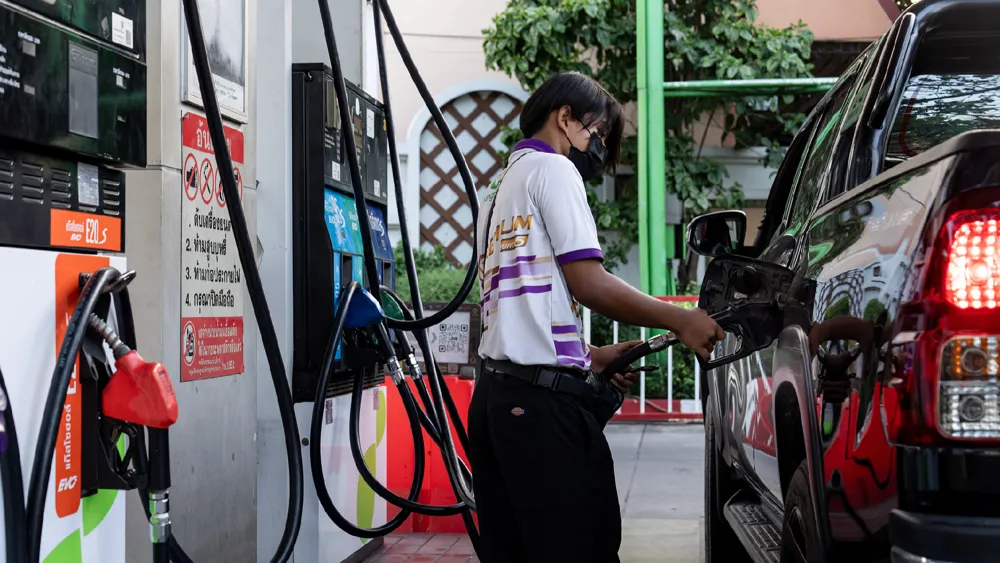
The escalating conflicts in the Middle East are emerging as a substantial economic burden for ASEAN and Europe, as rising energy costs intertwine with supply chain disruptions. This situation reflects a rapid transformation from a localized crisis to a broader economic concern.
A recent analysis from Maybank highlights how the current strain is reverberating across Asia, particularly through energy and supply channels. These pressures may lead to a stagflationary scenario for ASEAN countries, characterized by slowing growth alongside rising inflation.
ASEAN nations exhibit a pronounced dependency on Middle Eastern energy; for instance, around 95 percent of the Philippines' crude oil and 88 percent of Vietnam's crude oil imports originate from this region. Additionally, Singapore, Indonesia, and Thailand significantly rely on Middle Eastern diesel supplies, while approximately half of Vietnam's natural gas is sourced from Gulf states.
The report underscores potential risks associated with agricultural inputs, revealing that around 67 percent of Thailand's nitrogen fertilizer and 74 percent of its urea imports stem from the Gulf. Disruptions in either energy or fertilizer supplies could escalate farming costs, thereby pushing food prices higher.
Following these developments, Maybank has revised its growth forecast for 2026 for six major ASEAN economies—Indonesia, Malaysia, the Philippines, Singapore, Vietnam, and Thailand—down from 4.8 percent to 4.5 percent. The Philippines and Vietnam faced the most notable downgrades, each reduced by 0.4 percentage points, with inflation across these economies projected to rise to 2.7 percent, up from an earlier estimate of 2.2 percent.
In Europe, rising energy prices due to Middle Eastern tensions pose an additional challenge to an area already recovering from years of lackluster growth. The anticipatory economic recovery is being hindered by increasing oil and gas costs, limited fiscal capacity, and ongoing operational pressures on industries.
In the United Kingdom, a slowdown in economic activity is evident, with demand waning due to mounting costs. Recent data from S&P Global indicates that the country's flash composite Purchasing Managers' Index (PMI) fell to 51.0 in March from 53.7 in February, marking a six-month low. This decline reflects substantial regressions in both the services and manufacturing sectors.
Reports indicate that new orders in the UK private sector have fallen for the first time in four months, a development attributed to increased uncertainty, rising expenses, and tighter financing conditions stemming from the conflicts in the Middle East. These challenges have adversely affected corporate and consumer expenditure.
The pressure on European manufacturing is intensifying. Energy-intensive sectors, particularly chemicals, are confronting escalating costs, prompting many firms to contemplate reducing their operational capacities or relocating production to regions with more favorable energy costs.
Several companies are already recalibrating their forecasts. Swiss chocolatier Lindt has downgraded its projections for the year, citing uncertain conditions fueled by the situation in the Middle East. Similarly, German automaker Volkswagen has suggested that increasing geopolitical risks could hamper sales of its premium divisions, particularly Porsche and Audi.
These economic repercussions are only beginning to surface, indicating a broader impact that extends beyond immediate regional concerns.
Read These Next

Guanglian Aero's Growth Strategy Amid Market Volatility
Guanglian Aero's strategic restructuring and acquisition initiatives highlight its growth potential in the aerospace sector amidst market volatility, necessitating careful consideration from investors.
Economic Impact of Rising Gas Prices Amid Iranian Conflict
This commentary analyzes the significant impact of rising gas prices in the U.S. due to the conflict in Iran, evaluating the negative implications on consumer spending and various sectors of the economy, especially for low-income households. It emphasizes the potential forfeiture of anticipated tax refund benefits and the overarching economic consequences that could unfold.

City of the Future Explored Through Four Key Data Sets
Xiong'an New Area is developing as a 'city of the future' with investments in infrastructure, public services, and sustainability.