

Mexico Raises Tariffs on Chinese Imports Highlights Trade Barriers
In a significant escalation of trade tensions, Mexico has announced an increase in import tariffs on products from China and other non-free trade agreement partners. This decision has elicited a strong response from China, which warns that the new tariffs could jeopardize their trade relations and contribute to higher living costs for Mexican consumers.
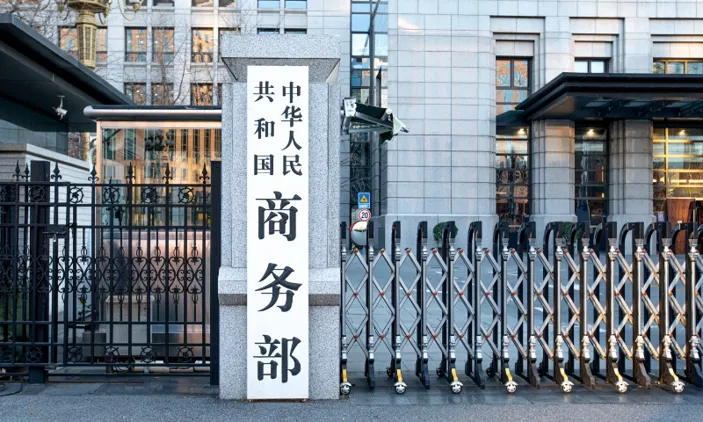
The Ministry of Commerce of China (MOFCOM) has voiced concerns regarding Mexico's tariff hikes, categorizing them as trade and investment barriers. This assessment came after an investigation initiated by MOFCOM to analyze the implications of Mexico's restrictive trade measures.
Experts in China assert that Mexico's actions are largely influenced by pressures from the United States, potentially exacerbating economic challenges for the Mexican population and disrupting established global trade networks. The tariffs are seen as a move that undermines the competitiveness of Chinese products in the Mexican market.
The investigation by MOFCOM emphasized that these tariffs hinder the entry not only of goods but also services and investments from Chinese enterprises, compromising their viability in Mexico. It highlighted the adverse repercussions these measures could have on various sectors.
On December 11, 2025, the Mexican Congress approved the proposal to elevate tariffs, with the new rates set to take effect on January 1, 2026. It is anticipated that these tariffs will severely affect trade relationships, particularly with China, potentially leading to retaliatory measures.
Although adjustments to the original proposal have exempted over 300 out of more than 1,400 initially targeted products, the remaining tariffs will cover a diverse range of items, including clothing, footwear, and steel, which could lead to increased costs for consumers and businesses.
Mexico’s tariff imposition appears motivated by a strategic alignment with U.S. interests as the countries approach a joint review of the US-Mexico-Canada Agreement. This review will reassess the trade pact as it nears its sixth anniversary in July 2026, aiming to prevent any unfavorable outcomes for Mexico.
Experts warn that such unilateral trade policies can have severe long-term implications for international trade, reinforcing the risk of inflation within Mexico. Increased tariffs are likely to drive up prices, placing additional economic strain on consumers.
Criticism has mounted against these tariffs, highlighting concerns about potential rises in domestic prices and the adverse effects on small businesses reliant on imports. Reports indicate that these measures could disrupt supply chains, further complicating economic dynamics.
Moreover, the tariffs may also impact other trading partners, complicating Mexico's relationship with various nations. Experts suggest that these trade barriers could not only escalate manufacturing costs but also heighten trade frictions, threatening stability in the region.
In response to Mexico's trade policies, MOFCOM has indicated its intentions to seek discussions for a fair resolution. Should bilateral consultations fail, China may escalate the situation by referring the matter to the World Trade Organization while reserving the right to implement countermeasures.
Read These Next

Guanglian Aero's Growth Strategy Amid Market Volatility
Guanglian Aero's strategic restructuring and acquisition initiatives highlight its growth potential in the aerospace sector amidst market volatility, necessitating careful consideration from investors.
Economic Impact of Rising Gas Prices Amid Iranian Conflict
This commentary analyzes the significant impact of rising gas prices in the U.S. due to the conflict in Iran, evaluating the negative implications on consumer spending and various sectors of the economy, especially for low-income households. It emphasizes the potential forfeiture of anticipated tax refund benefits and the overarching economic consequences that could unfold.

City of the Future Explored Through Four Key Data Sets
Xiong'an New Area is developing as a 'city of the future' with investments in infrastructure, public services, and sustainability.