

EU to Set Up Customs Authority in France to Implement Small Parcel Taxes
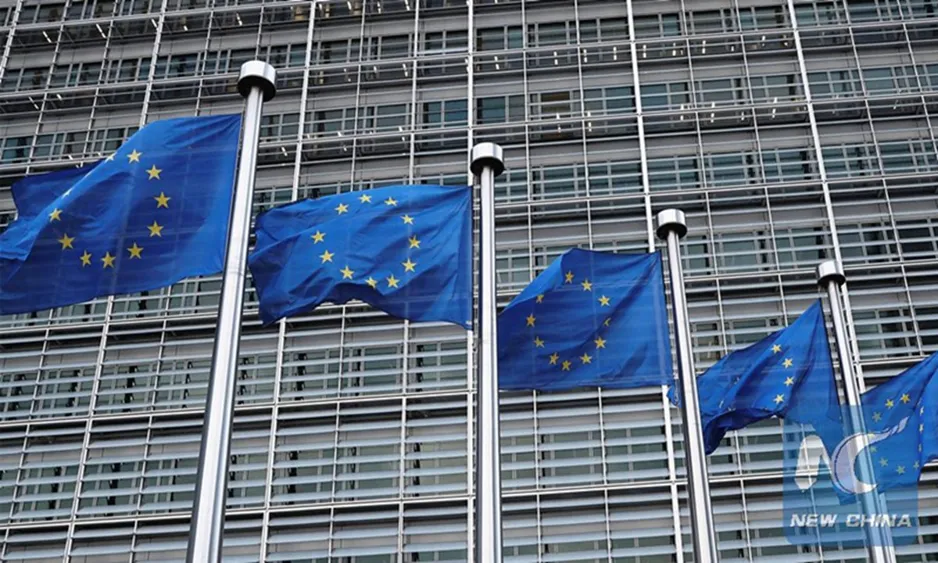
The European Union has taken a significant step by establishing a new customs authority in Lille, France, aimed at implementing taxes on small parcels. This move is anticipated to have a profound impact on e-commerce prices, particularly affecting consumers who have enjoyed cheaper goods shipped from China and other countries due to prior tax exemptions.
As the Council of the EU and the European Parliament finalize details on the operations of the new customs authority, the shift is viewed as a response to increased trade from non-European markets. Analysts in China have labeled this action as another indication of the rising tide of protectionism within the EU.
Critics argue that the EU's attempt to reform its customs framework could disrupt bilateral relations and inflate prices for European consumers already struggling with high living costs. Chinese officials have expressed concerns that this action runs contrary to the principles of a market economy.
In a recent announcement, the EU's Council emphasized the necessity of this new customs authority as part of a broader effort to streamline customs operations and address the swelling volume of e-commerce shipments. The proposed changes come amidst evolving geopolitical dynamics and increased trade flows.
While the reforms do not explicitly name trading partners, they have been directly associated with the influx of low-cost packages from China. According to reports, the EU aims to address the mounting number of inexpensive shipments that have fueled the growth of online platforms like Shein, Temu, and AliExpress.
Currently, there are no customs duties applied to parcels valued below 150 euros, facilitating the rapid expansion of e-commerce in the region. However, the new customs authority suggests a shift in policy that could permanently impose duties on these low-value parcels.
Chinese analysts warn that the proposed taxes would contravene World Trade Organization regulations and could lead to increased costs for European households, particularly as energy prices rise amid geopolitical tensions.
Furthermore, the introduction of a temporary levy of 3 euros on small parcels, set to commence in July, anticipates a broader strategy to enforce permanent customs duties within two years. Critics have suggested that these changes might undermine the historically cooperative trade relationship between the EU and China.
According to figures from the European Commission, the demand among EU consumers for affordable goods from China has surged, with the volume of such imports expected to grow substantially in the coming years.
Despite the EU’s recent actions, experts believe the entrenched patterns of trade, driven by consumer preference for affordable, quality products, will remain resilient. Notably, a senior EU official recently acknowledged that the tax may not effectively curtail the flow of Chinese goods into European markets.
The broader implications of this customs authority are still unfolding, but initial reactions have highlighted a strong backlash from Chinese representatives, igniting discussions around fair market practices and the sustainability of favorable trade relations in the face of evolving EU policies.
Read These Next

Economic Value of Family Caregivers in the U.S.
Critical commentary on the AARP report regarding family caregivers in the U.S., highlighting economic implications and the need for policy reform.

European Commission Investigates American Photo Sharing Platform
EU initiates a probe into Snapchat for potential child protection regulation violations under the Digital Services Act.

Strategic Growth Insights in a Volatile Market
Commentary on the company's strategic initiatives, financial stability, and market positioning amid economic challenges.