

Boao Forum Urges Multilateralism Against Trade Uncertainty
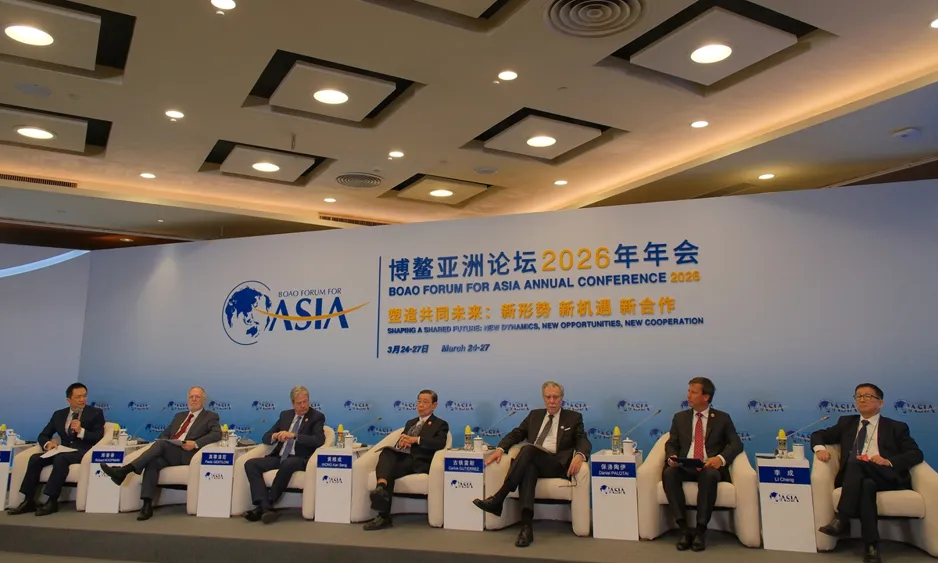
At the recent Boao Forum, speakers underscored the importance of multilateral trade and the pressing need to oppose protectionism amid escalating global uncertainty. Calls for collaboration were prevalent during the discussions, highlighting the necessity for nations to unite in the face of increasing trade tensions.
A former Italian economic official argued during a seminar titled 'New Global Trade Landscape under Tariff Wars' that trade frictions 'cannot be resolved by raising protectionist barriers.' He called on countries to uphold multilateralism and ensure that trade remains based on established rules, emphasizing the importance of free trade during these turbulent times.
Participants expressed concern that current shifts in trade policies are progressively undermining the principles of rules-based multilateralism. Giovanni Tria, Italy's former finance minister, remarked that these tariff tensions are significantly impacting the global economy, urging nations to strive for continued globalization while eschewing protectionist measures.
During the same seminar, Paolo Gentiloni, former Prime Minister of Italy, expressed apprehension about future global trade potentially deviating from established rules, instead becoming influenced by power dynamics and coalitions. He emphasized that the European Union is particularly worried about this shift and advocated for sustained efforts to maintain rules-based and free trade systems.
Carlos M. Gutierrez, former U.S. Secretary of Commerce, echoed these sentiments, pointing out that tariffs are not a sustainable method for managing the global economy. He cautioned against the long-term reliance on such measures, despite expressing a belief in the possibility of renewed economic cooperation between China and the United States.
Li Cheng, a political professor at the University of Hong Kong, placed the current wave of tariff and trade disputes within a broader context that reflects a growing protectionist sentiment in the West, particularly in the United States. He noted that this sentiment is often fueled by existential issues related to domestic distribution and shifting global economic dynamics.
Cheng further asserted that the persistence of trade conflicts is likely, rooted in deeper societal tensions within the U.S. He characterized the protectionist approach as a response born from weakness rather than strength, signaling a significant change in the global economic landscape that calls for increased commitment to multilateralism and respect for global trade institutions.
Throughout the seminar, Wong Kan Seng, former Deputy Prime Minister of Singapore, highlighted how rising trade tensions and the restructuring of supply chains are driving up costs and fragmenting global commerce. He noted the critical impact of government interventions, which have led to duplicated supply chains and increased trade costs.
Wong warned that the current global trading system is becoming more polarized and less predictable, creating hidden costs for investment and education. He stressed the need to restore trust in multilateral organizations, specifically the World Trade Organization, to stabilize expectations and stimulate global economic growth.
Amid these challenges, China has demonstrated remarkable resilience and adaptability in navigating the complexities of global trade uncertainty. Robert Koopman, former chief economist of the WTO, noted China's successful diversification of its trading portfolio, indicating a positive trend despite external pressures.
Tria added that China's stability is essential not only for its own economy but also for stability across Asia and the world. He emphasized China's ongoing efforts to strengthen international cooperation, which could play a critical role in enhancing global economic governance.
Read These Next

Jury Finds Meta, YouTube Negligent in Addiction Trial
The jury in Los Angeles ruled against Meta and YouTube for negligence in a landmark trial regarding social media addiction, with significant implications for the industry.

Pop Mart's Labubu Makes Global Splash at World Cup Debut
Pop Mart's Labubu debuts at FIFA World Cup, marking a milestone for Chinese brands in global recognition and collaboration.

Zelensky aims for long-term drone deal with Gulf nations
Ukrainian President Zelensky seeks a long-term drone supply deal with Gulf nations, enhancing military cooperation and defense.