

Oil Prices and Geopolitical Turbulence Amid Iran Conflict
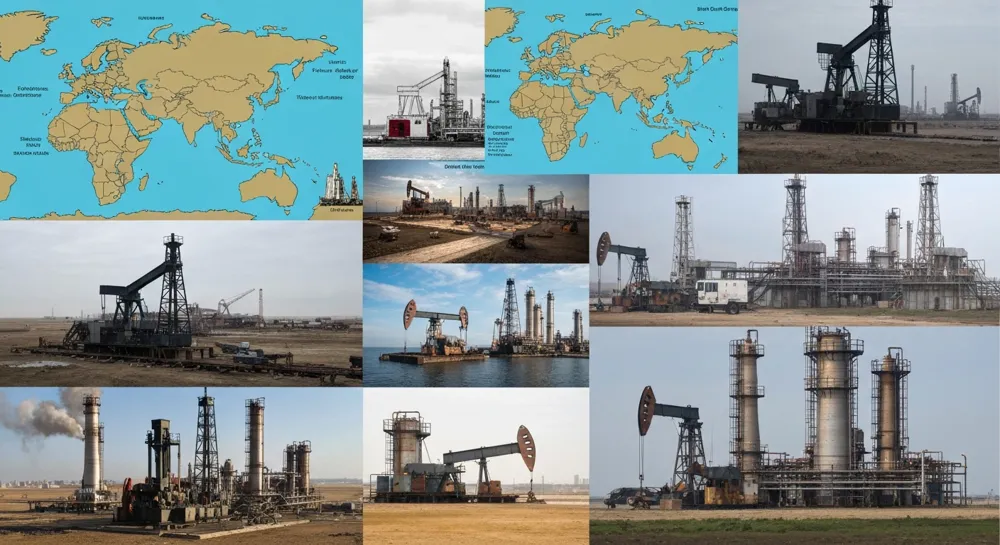
The recent fluctuations in oil prices, particularly with Brent crude surpassing $100 per barrel, underscore the intricate relationship between geopolitics and global energy markets. On one hand, the curious uptick — where Brent crude futures rose over 4% to $104.49 — may appear as a fleeting recovery after a staggering 11% sell-off earlier in the week. Yet, the underlying currents of skepticism and concern reflect deeper economic forces at play, especially as rising inflationary pressures and geopolitical tensions shape the outlook for oil supplies.
This volatility can largely be traced back to President Donald Trump’s assertion of having productive discussions with Iran aimed at easing Middle Eastern tensions — claims that were quickly rebuffed by Iranian officials. Such discrepancies between governmental dialogue and reality ignite uncertainty among investors, precluding the solidity of any short-term gains. With renowned economist José Torres from Interactive Brokers cautioning against overzealous optimism surrounding potential peaceful resolutions, the specter of an extended conflict looms large, troubling the already-fragile oil supply chain.
Additionally, the strategic Strait of Hormuz, responsible for transporting approximately 20% of the globe's oil, remains a flashpoint as its flows have been curtailed since the onset of the Iran conflict. Incredibly, while the U.S. administration hints at diplomatic breakthroughs, actual conditions may be worsening, with reports of assaults on crucial energy infrastructures within Iran. This potential for disruption, if realized, could create a situation where even a diplomatic resolution would not necessarily translate to lower oil prices.
Comparing the current scenario with historical crises, such as the financial meltdown of 2008 or the dot-com bubble, we see that investor behavior is often influenced by a mix of speculative sentiment and real economic concerns. In light of increased price volatility, questions arise around market expectations — is the current spike merely a product of speculation or does it directly reflect worsening supply conditions? Could this serve as a precursor for collusion among major producers to manipulate prices amidst the uncertainty? These uncertainties open avenues for potential risks and opportunities as market players navigate this treacherous landscape.
In conclusion, the path forward for oil prices remains obscured by geopolitical fog. While the potential for peace talks exists, the gap between aspirational narratives and the harsh realities of conflict assesses ground-level production disruptions. Investors, regulators, and consumers must brace for ongoing volatility, keeping a close eye on the evolving situation in the Middle East. As this unfolds, how these dynamics will ultimately reshape the global oil landscape remains to be seen.
Read These Next

Asia's Economy Projected to Grow 4.5 Percent by 2026
Asia's economy is set to grow 4.5% in 2026, driven by trade integration and key players like China and ASEAN.

S&P 500 Index ETF Surges 1 Percent on March 25
S&P 500 Index ETF gains 1% as investor confidence grows amid earnings season and low interest rates. Positive outlook remains.

Economic Effects of the Hormuz Strait Blockade
An analysis of the Iranian blockade of the Strait of Hormuz highlighting economic impacts, industry reactions, and potential long-term effects.