

Chinese LLMs Lead Global Advancements in AI Development

Chinese large language models, or LLMs, have solidified their dominance in the field of artificial intelligence, exhibiting extraordinary advancements and cost-effectiveness. According to recent data from OpenRouter, a widely used AI gateway for developers, six out of the top ten models are Chinese, underscoring the significant influence and progress China is achieving in AI development.
The LLM Leaderboard, which evaluates the most well-regarded AI models, has highlighted six Chinese LLMs in its latest rankings. Notable entries such as Step 3.5 Flash, MiniMax M2.5, and DeepSeek V3.2 have earned their places among the top contenders, reinforcing China's role in pushing the boundaries of AI technology.
Market share data released this week indicates that Xiaomi currently leads the LLM landscape with a commanding 21.4 percent market share of OpenRouter tokens, placing it ahead of giants like Google, which holds 12 percent. This demonstrates not only Xiaomi's growth in the sector but also the competitive landscape that defines AI development.
Additionally, a noteworthy occurrence involved the open-source model Kimi, developed by Moonshot, gaining traction within an overseas AI company, capturing the attention of prominent figures including Elon Musk. This exemplifies the burgeoning recognition and applicability of Chinese models in international markets.
In a notable development, code-generation start-up Cursor announced the availability of its AI model, Composer 2. A user named Fynn remarked on the integration of the Kimi model in his experimentation, suggesting that Cursor's new model essentially reconfigures Kimi 2.5 with reinforcement learning.
Musk corroborated Fynn's observations, supporting the view that Kimi's integration has significant implications for AI advancements. Moreover, Cursor's founder, Aman Sanger, acknowledged the impressive capabilities of Kimi k2.5 and stated intentions to emphasize its role in future communications.
Sanger's comments came in light of encouragement from the Kimi.ai account on social media, lauding Cursor's integration of their model as indicative of the collaborative innovation that is reshaping the AI landscape. This partnership symbolizes the growing ecosystem of open-source models enhancing commercial AI tools.
An observer noted that the ascent of Kimi as a core component in a leading coding tool underscores a critical realization: the true AI race lies not solely in competing research labs but in creating value on top of existing models.
Tian Feng, former dean of SenseTime’s Intelligence Industry Research Institute, remarked that the increasing popularity of Chinese open-source models on global platforms illustrates their significant role in advancing AI technology, characterized by impressive performance coupled with low inference costs.
He further emphasized that the commitment to open cooperation and a mutually beneficial environment, promoted by Chinese LLMs, is no longer a mere strategic statement but a validated advantage recognized within the emerging global marketplace.
Read These Next
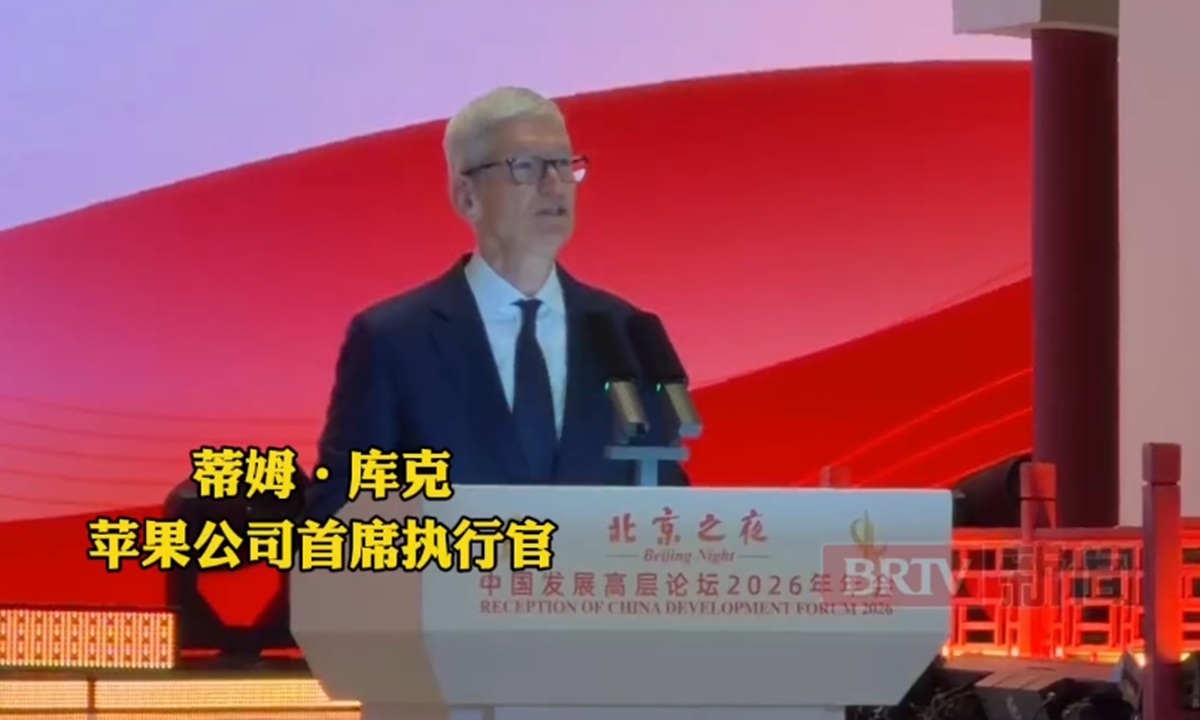
Tim Cook Highlights Partnerships and Trust at 2026 China Forum
At the China Development Forum, Tim Cook stressed partnership and trust for progress in technology and global commerce.
Iran and Oman Discuss Strait of Hormuz Security Concerns
Iran and Oman discuss Strait of Hormuz security, emphasizing maritime freedom and regional cooperation for stability.

Shanghai Yuyuan's Strategic Audit Proposals Amid Challenges
Analysis of Shanghai Yuyuan Tourism Mall's decision to extend its appointment of Shanghai Huahui Certified Public Accountants and the implications for corporate governance, risk management, and stakeholder confidence.