

Sports event economy boosts China's consumption growth
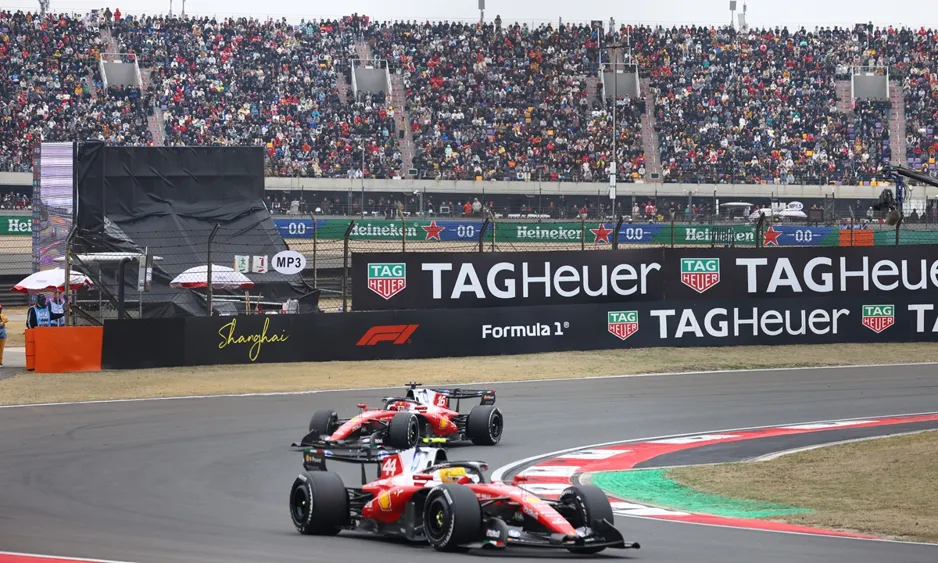
China's burgeoning sports event economy is making a significant impact on the nation's consumption patterns, fueled by government initiatives and a series of high-profile events that are expected to enhance local engagement and spending.
Recent activity across multiple Chinese cities, including Wuhan, Shanghai, and Shenzhen, has seen a host of sports events, from marathons to Formula 1 races and football matches. Analysts predict that the increased frequency of these events will likely result in heightened consumer spending.
As the new year begins, these sporting events are emerging as a pivotal force for stimulating domestic demand and propelling economic growth throughout 2026.
The 2026 Wuhan Marathon is set to commence on March 22 at 7:30 am, with 30,000 runners participating, as confirmed by local government sources. In a bid to ramp up spending, the city has launched Wuhan Sports Consumption Week, distributing sports consumption vouchers worth 10 million yuan, approximately 1.44 million US dollars.
In addition to the marathon events, the recent conclusion of the 2026 Formula 1 Chinese Grand Prix in Shanghai has acted as a catalyst for increased tourism and commerce within the megacity. Official reports estimate that the event attracted 230,000 spectators and generated 190 million yuan in revenue, marking a remarkable 35 percent increase from last year.
Data from Trip.com indicated a dramatic rise in hotel bookings within three kilometers of the venue in Jiading District, Shanghai, with an average increase of 125 percent during the F1 event, with some establishments reporting full occupancy.
Moreover, the simultaneous kick-off of the Chinese Super League and China League One in Shenzhen on March 14 and 15 has ignited fan enthusiasm and correspondingly enhanced the match-day economy.
Experts, including Song Ding from the China Development Institute, believe this surge in sports-related consumption is driven by supportive policies, continuous growth in per capita GDP, and evolving trends in household consumption that emphasize experiential value.
The benefits of sports events extend beyond immediate ticket sales and merchandise; they positively impact sectors such as tourism, transportation, accommodation, and catering, leading to a significant overall increase in consumption.
The growth of the sports event economy is also contingent on proactive national strategies. A guideline issued by the General Office of the State Council last September aims to stimulate sports consumption and foster the high-quality development of the sports industry, with goals to achieve a market value exceeding 7 trillion yuan by 2030.
The General Administration of Sport of China has initiated pilot programs to monitor consumption generated by major sporting events, tracking 1,947 occurrences in 2025, which resulted in a total of 43.1 billion yuan in related consumption.
Looking ahead, the increasing popularity of sports events is expected to stimulate integrated development across various business sectors, including commerce, tourism, and sports, as outlined in China's Government Work Report. The report emphasizes the importance of fostering diverse business models that combine culture, tourism, sports, and commerce, potentially unlocking extensive domestic demand.
Read These Next
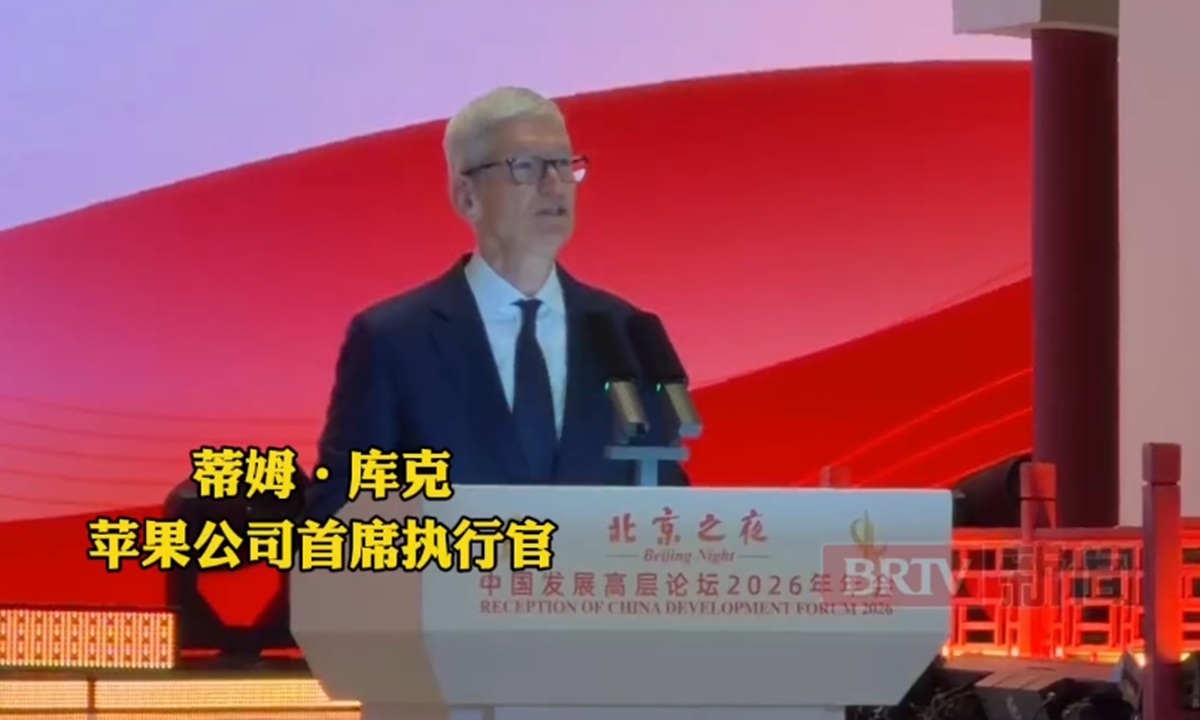
Tim Cook Highlights Partnerships and Trust at 2026 China Forum
At the China Development Forum, Tim Cook stressed partnership and trust for progress in technology and global commerce.
Iran and Oman Discuss Strait of Hormuz Security Concerns
Iran and Oman discuss Strait of Hormuz security, emphasizing maritime freedom and regional cooperation for stability.

Shanghai Yuyuan's Strategic Audit Proposals Amid Challenges
Analysis of Shanghai Yuyuan Tourism Mall's decision to extend its appointment of Shanghai Huahui Certified Public Accountants and the implications for corporate governance, risk management, and stakeholder confidence.