

Mercedes-Benz and Volkswagen Share Long-Term Strategies in China
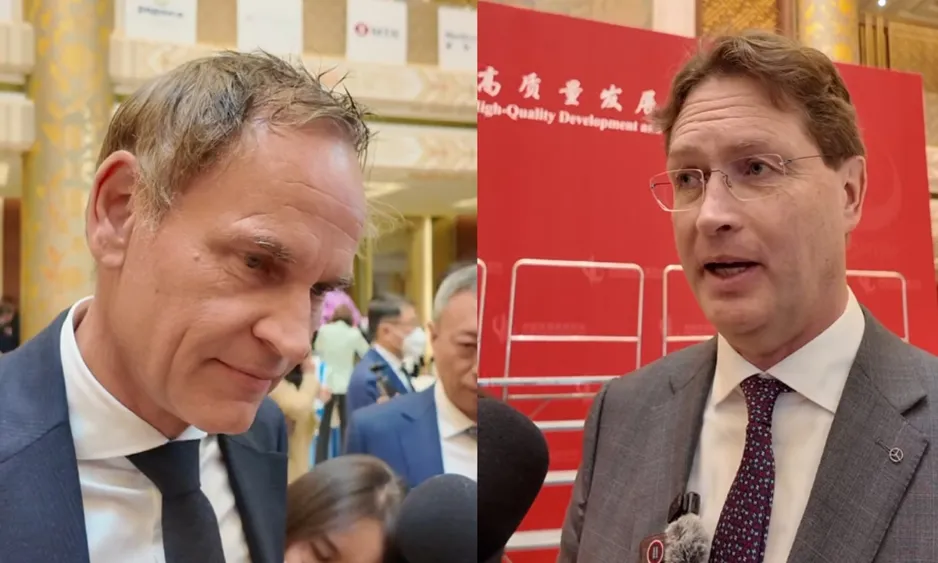
Executives from Mercedes-Benz and Volkswagen recently shared their long-term strategies for success in China's electric vehicle market at the China Development Forum (CDF) 2026 held in Beijing. The forum brought together over 100 representatives from global corporations, international organizations, and leading research institutions.
Speaking on the sidelines of the CDF, Mercedes-Benz CEO Ola Källenius noted the 'dynamic innovation landscape' present in China. He highlighted the company's commitment to significant investments in new product development, which includes deepening partnerships with both established technology firms and promising start-ups.
Källenius emphasized that China provides a unique environment for experiencing new technologies, positioning it as a key base for innovations. He remarked that despite the competitive challenges, Mercedes-Benz is committed to long-term engagement in the market.
The CEO further mentioned that the company's investments are not only geared toward developing products for the Chinese market but also for global markets, stating that they aim to create products that are 'developed in China for China, but also in China for the world.'
Meanwhile, Volkswagen Chairperson Oliver Blume described 2026 as a pivotal year for the company as it enters the new energy vehicle (NEV) sector with a lineup of new cars. He expressed excitement about Volkswagen's prospects in the fast-evolving automotive landscape.
Blume also addressed the global uncertainties affecting the automotive sector, particularly in light of geopolitical crises that continue to create volatility. He reassured stakeholders that Volkswagen is closely monitoring developments to adapt effectively.
The CDF is held under the theme 'China in its 15th Five-Year Plan Period: Advancing High-Quality Development and Creating New Opportunities Together.' This underscores the ongoing collaboration and investment potential between China and Germany in the automotive industry.
During a visit to China in late February, German Chancellor Friedrich Merz underscored the importance of the automotive cooperation between the two countries. He was accompanied by executives from major German automakers, including Mercedes-Benz and Volkswagen, who reiterated their commitment to long-term partnerships with Chinese firms.
Recently, Volkswagen announced the start of production of its first model, developed in collaboration with China's XPENG, at its Hefei plant. This medium-to-large electric SUV is slated for launch in the first half of 2026, marking a significant milestone in Sino-German automotive cooperation.
According to experts, while automotive markets in other regions face slowdowns, China's passenger vehicle market continues to thrive, presenting significant growth opportunities. This is attributed to China's comprehensive automotive industrial chain and advanced engineering capabilities.
Experts believe that establishing R&D centers in China enables multinational automakers to enhance their product development efficiency. By working with local entities, these companies can tap into innovative technologies and stay competitive amid the industry's shift towards electrification and smart technology.
Lastly, reports indicate that in 2025, Chinese automakers are projected to surpass Japanese manufacturers in global new vehicle sales for the first time, signaling a shifting landscape in the automotive industry and highlighting China's burgeoning role as a leader in vehicle production.
Read These Next
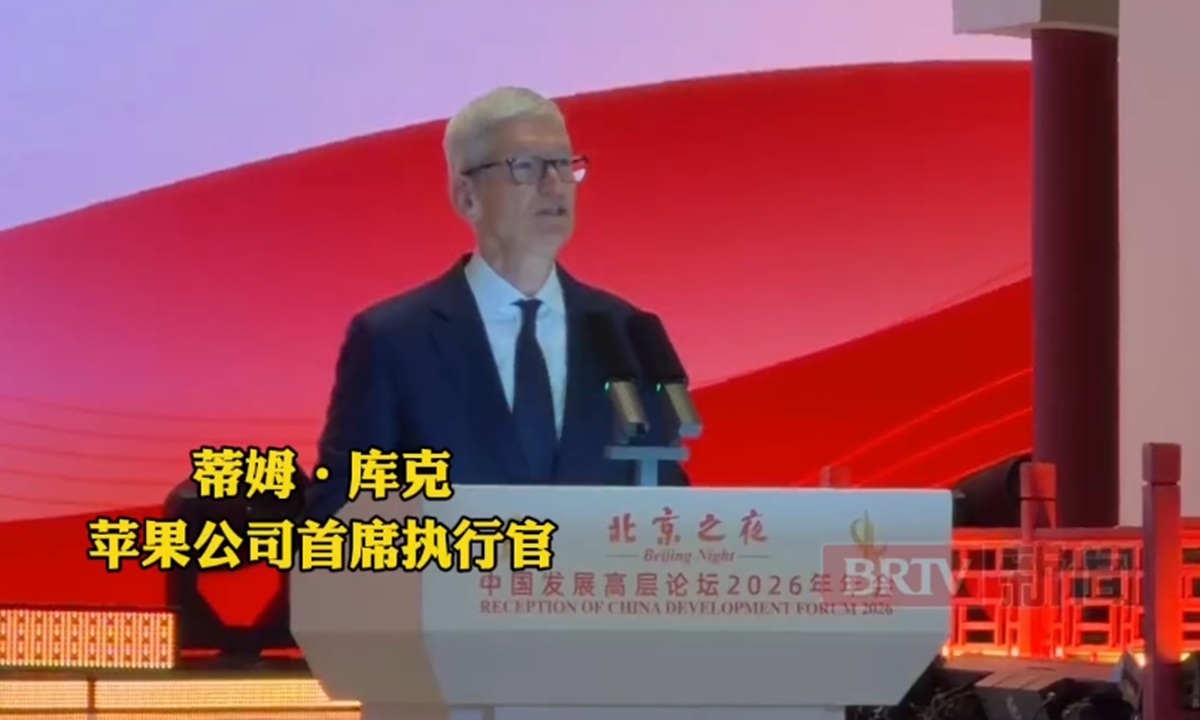
Tim Cook Highlights Partnerships and Trust at 2026 China Forum
At the China Development Forum, Tim Cook stressed partnership and trust for progress in technology and global commerce.
Iran and Oman Discuss Strait of Hormuz Security Concerns
Iran and Oman discuss Strait of Hormuz security, emphasizing maritime freedom and regional cooperation for stability.

Shanghai Yuyuan's Strategic Audit Proposals Amid Challenges
Analysis of Shanghai Yuyuan Tourism Mall's decision to extend its appointment of Shanghai Huahui Certified Public Accountants and the implications for corporate governance, risk management, and stakeholder confidence.