

China to Boost Energy Ties with Southeast Asia After Fertilizer Assurance
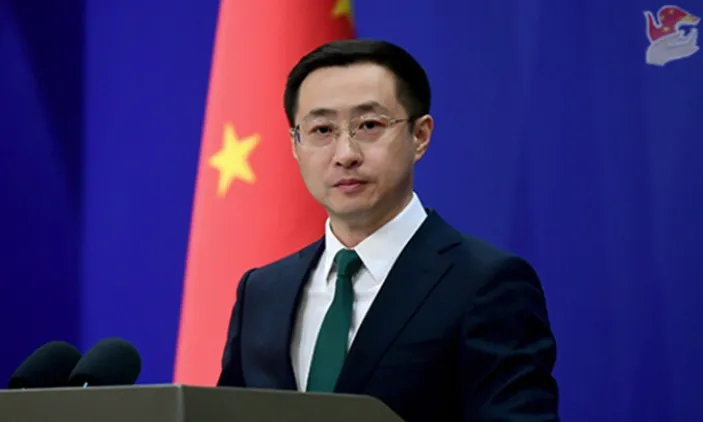
China has declared a commitment to bolster energy cooperation with Southeast Asian nations, addressing concerns over fertilizer exports amid the global energy crisis. The statement comes in the wake of heightened tensions in the Middle East that have threatened global energy security.
Chinese Foreign Ministry spokesperson Lin Jian emphasized the importance of immediate cessation of military actions in the Middle East to prevent further regional turmoil that could adversely affect global economic growth. This backdrop has heightened the significance of China’s reaffirmed partnerships with its Southeast Asian neighbors.
Lin reiterated China’s readiness to collaborate closely with Southeast Asian countries to tackle ongoing energy security challenges. This comes after the Philippine agriculture secretary disclosed that China assured it would maintain unrestricted fertilizer exports to the Philippines, alongside discussions of energy security between the Chinese ambassador and the Philippine energy minister.
Inquiries regarding the nature of discussions between the two nations revealed that the Philippines is keen on enhancing its energy security with Chinese support. Topics included potential assistance for oil supply issues and whether China could extend similar assurances for energy supplies as it has for fertilizers.
Fertilizer exports are significant in China's economy, with it being a major producer and consumer. The country balances domestic demands while still engaging in international trade of fertilizers. Official clarification on specific export volumes and arrangements would come from competent authorities.
The Philippines has been actively negotiating with China to secure urea fertilizer supplies, which are essential for agricultural productivity. This initiative has been driven by ongoing geopolitical tensions in the Middle East, as reported by local media.
From 2021 to 2023, the Philippines imported a substantial 7.1 million metric tons of fertilizers, primarily from China and other countries including Canada and Malaysia. Notably, nitrogenous fertilizers represented 63 percent of these imports, underlining the importance of ensuring a steady supply.
According to Agriculture Secretary Francisco Tiu-Laurel, China has guaranteed that it will continue its fertilizer exports, notwithstanding rising oil prices. This assurance has been received positively as it represents a crucial step for the Philippines amid global market fluctuations.
Beyond Chinese suppliers, the Philippines is also exploring other options for fertilizer supplies from countries such as India, Russia, and Belarus. Furthermore, efforts are being made to investigate alternative technologies, including liquid fertilizers and nanotechnology.
Experts have noted that geopolitical tensions since mid-February have significantly hampered fertilizer shipments from the Persian Gulf. Amid these challenges, China's statements aim to stabilize the market and improve bilateral relations with the Philippines.
Lin Boqiang, a noted scholar, pointed out that China's robust fertilizer production capability allows it to accommodate exports to the Philippines while satisfactorily meeting domestic needs. This flexibility is evident in China’s energy and fertilizer supply strategies.
In 2025, China reported a substantial increase in fertilizer exports, with 46.27 million tons exported and a total value exceeding $13.7 billion, evidencing the country’s influential role in the global fertilizer market.
Read These Next
New Leadership's Impact on Fund Management
Commentary on the impending management change at the fund management firm following the appointment of Wu Hao as the new fund manager, highlighting its potential impacts on investor sentiment and fund performance amid broader economic trends.

Russell 2000 Correction: Impact on Small Caps and Markets
The commentary discusses the implications of the Russell 2000 entering correction territory, focusing on challenges for small-cap companies and potential risks for the broader market.

Colorful Tents Uncover China's Spring Economy Power
Spring in China boosts the consumer market with outdoor activities and festivals, leading to expected sales growth in experiences.