

China US Economic Dialogue and Its Global Impact
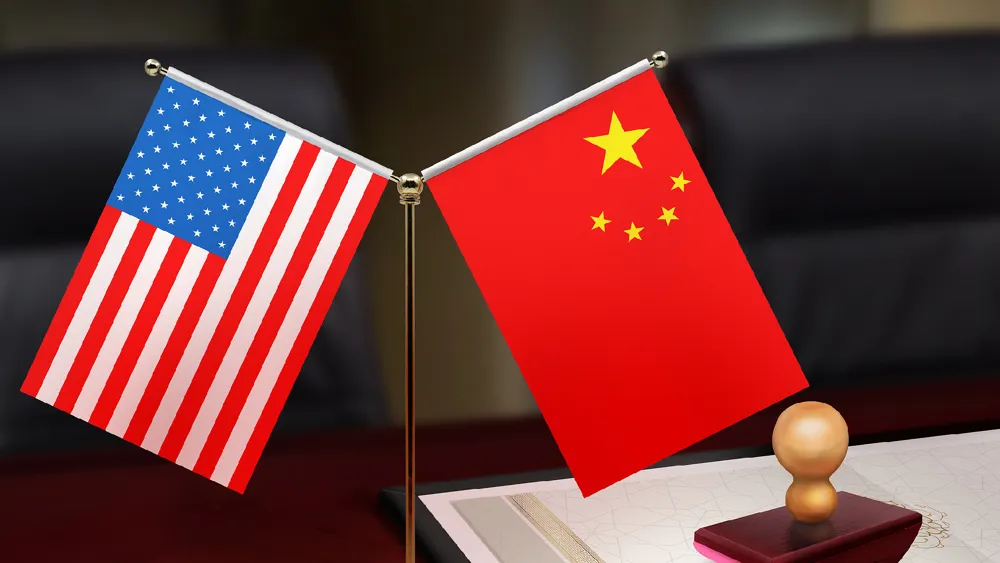
The upcoming economic talks between China and the US in France have generated significant interest and discussion in the arena of international relations. As the two largest economies in the world, their relationship is pivotal, affecting not only bilateral trade but the dynamics of global markets.
China and the US hold vital yet distinct roles in the global economic structure. China is recognized as the foremost manufacturing center, dominating various sectors and serving as a crucial link in international supply chains. Conversely, the US excels in high-end technology and finance, positioning it as a leader in innovation and economic influence. Such interdependence indicates that shifts in their economic relations can have widespread implications across the global landscape.
Against a backdrop of rising geopolitical tensions, China's decision to maintain open lines of communication with the US carries implications beyond their national interests. This ongoing dialogue is critical for avoiding abrupt disruptions in global markets and supply chains, providing essential stability for numerous developing economies reliant on international trade.
China's role as a comprehensive manufacturing hub is particularly noteworthy, as it encompasses all major categories of industrial production. Multinational corporations look to China's industrial ecosystem for integral components and supply chain coordination, highlighting the interconnectedness of global production networks.
Industries such as consumer electronics are highly vulnerable to disruptions in these networks, heavily relying on Chinese suppliers for components. A breakdown in trade could lead to increased prices for consumers globally. The automotive sector similarly risks significant impacts, as China's provision of electric vehicle batteries becomes increasingly vital amidst the US and Europe's technological strengths.
The renewable energy market also faces potential turbulence, with China leading the production of solar panels and wind turbine components. Any disruptions here could hinder global climate initiatives, underlining the interconnected nature of modern economies. Furthermore, upstream supply chains are at risk, particularly for developing countries that export essential minerals.
If greater geopolitical tensions obstruct trade, countries may find themselves pressured to choose sides, further complicating their economic strategies. This would not only impact bilateral relations but could also destabilize global trade networks.
China's commitment to economic dialogue with the US is integral for global market stability. Investors worldwide take note of the state of China-US relations, and continued dialogue fosters an environment of predictability vital for long-term planning.
For developing nations, a stable economic relationship between China and the US is crucial for growth, directly affecting employment and poverty alleviation efforts. China’s approach highlights the responsibilities major powers have not only to their interests but also to global economic stability.
While dialogue does not erase competition or disagreements, it serves as a mechanism to manage tensions, ultimately reducing collateral damage to the world economy. The upcoming talks thus hold the potential to shape not just the US-China relationship but the broader international economic landscape.
Read These Next
Week in Review: Managing Oil Price Surge from Iran War
A critical analysis of the impact of the surge in oil prices on stock markets due to the conflict in Iran, highlighting correlations and future implications.

Iran's Foreign Minister Says Khamenei Fulfilling His Duties
Iran's FM Amir-Abdollahian assures that Supreme Leader Mojtaba Khamenei is healthy and fulfilling responsibilities, easing regime stability concerns.
China Rejects 'Small-Circle' Rules in Global Trade Order
China's Foreign Ministry opposes manipulation of global economic conditions through exclusive trade deals on critical minerals, urging cooperation.