

US Economic Outlook Cut Due to Rising Middle East Tensions
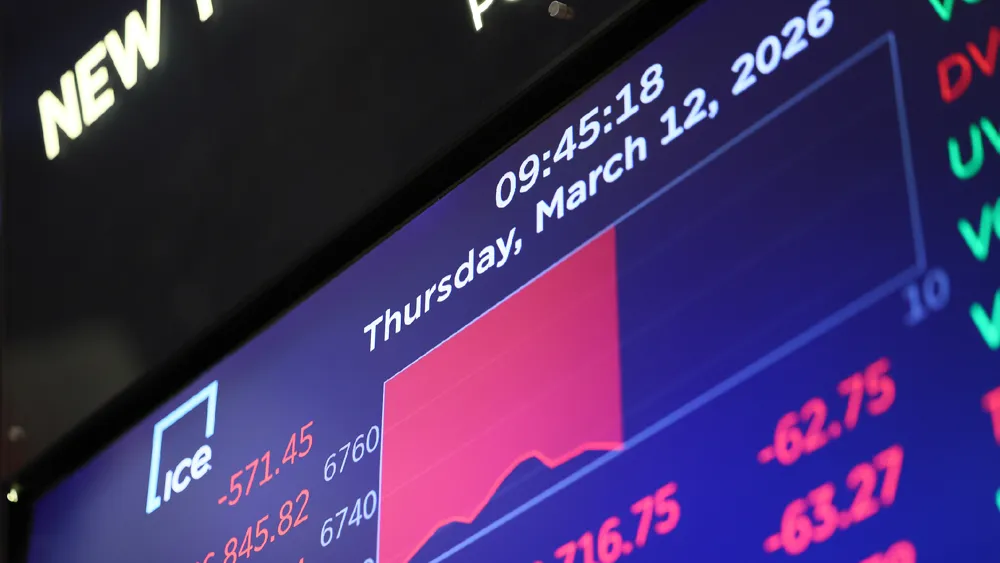
The US economic outlook has been notably downgraded as investment banks and financial markets react to rising geopolitical tensions in the Middle East, which have escalated energy prices and increased global uncertainty.
The recent spike in crude oil prices, now exceeding $100 per barrel, stems from escalating conflicts involving the US and Israeli forces against Iran. This situation raises concerns regarding potential supply disruptions and exacerbates inflationary pressures.
Compounding these challenges, the latest macroeconomic data from the US indicates a troubling combination of rising inflation and slowing growth. The Consumer Price Index surged 2.4% year-on-year in February, surpassing the Federal Reserve's inflation target, while the unemployment rate climbed to 4.4%, up from 4.3% in January.
Moreover, GDP growth has taken a hit, slowing to an annualized pace of 1.4% in the fourth quarter of 2025, down from 4.4% in the preceding quarter, and representing a decline in overall growth from 2.8% in 2024 to 2.2% for the year.
In response, several major investment banks, including Goldman Sachs, have adjusted their forecasts, now projecting that the Federal Reserve will delay interest rate cuts until September or even December, primarily due to heightened inflation risks linked to rising oil prices and geopolitical instability.
This shift in expectations has led to increased volatility in financial markets. Global equities are experiencing pressure as investor sentiment shifts, while bond yields have risen amid diminishing hopes for immediate rate cuts.
On Thursday, the S&P 500 Index closed down by 1.52% at 6,672.62 points, the Dow Jones Industrial Average fell by 1.56% to 46,677.85 points, and the Nasdaq Composite Index decreased by 1.78%, ending at 22,311.98 points.
These developments add complexity to the Fed's policy decisions, as ongoing inflation fueled by energy prices may restrict the central bank's ability to relax monetary policy in support of economic growth.
In summary, the interplay of geopolitical instability, fluctuating energy markets, and tightening financial conditions has prompted global investors to adopt a more cautious perspective regarding the US economy.
Read These Next
China Rejects 'Small-Circle' Rules in Global Trade Order
China's Foreign Ministry opposes manipulation of global economic conditions through exclusive trade deals on critical minerals, urging cooperation.

Saudi Arabia Intercepts Three Drones in Eastern Region
Saudi Arabia intercepted three drones in the eastern region, amid rising military tensions in the Middle East over drone technology.

Historic Emergency Oil Reserve Release: Oil Prices May Rise
Analysis of the IEA's release of emergency oil reserves in response to the Iran war, highlighting the ongoing market volatility, historical parallels, and implications for the global economy.