

Cangzhou Mingzhu’s Financial Guarantees: A Double-Edged Sword

Cangzhou Mingzhu Plastic Co., Ltd. has recently made headlines with its decision to bolster its subsidiary, Wuhu Mingzhu Film Technology Co., Ltd., through a joint guarantee loan agreement with Shanghai's Pudong Development Bank. With a guarantee limit approved for up to 250 million Yuan, and an immediate 50 million Yuan commitment, this move is significant as it illustrates the company's strategic intent to enhance its subsidiary's operational footprint amid broader financial uncertainties. The backdrop for these decisions is marked by a noteworthy increase in the company's external guarantees, which have reached 371.9 million Yuan—constituting a staggering 72.21% of the company's audited net assets. Such a high level of external guarantees warrants a thorough examination of the underlying financial health of Cangzhou Mingzhu, especially when considered against its rising debt levels, which are currently reported at around 16.13 billion Yuan. This scenario raises critical questions: Is the company prioritizing short-term operational growth over long-term financial stability? The discernible trend of increasing liabilities juxtaposed against a revenue uptick—from 32.66 billion Yuan last year to 34.56 billion Yuan in the first nine months of 2025—signals a complex narrative. Despite the revenue increase, the persistent net losses suggest that operational issues could be undermining profitability.
As the company propels itself toward greater reliance on subsidiary support, it is vital to assess the broader implications of its corporate strategy. The decision to collaborate with a well-established bank reflects a proactive approach to address financial needs; however, the ensuing risks cannot be overlooked. With an overwhelming proportion of guarantees linked to its subsidiaries, the firm's balance sheet appears vulnerable to adverse developments that might impede these subsidiaries' ability to repay debts. This financial setup mirrors historical patterns seen during the 2008 financial crisis when companies laden with excessive leverage faced severe repercussions once economic conditions shifted.
Furthermore, the concentration of guarantees raises concerns about potential systemic risk. Without a diversified portfolio of external guarantees, should Wuhu Mingzhu face operational hardships, Cangzhou Mingzhu's own financial integrity could be jeopardized. How will stakeholders react in the event of defaults? Investors should consider these risk factors alongside the resurgent revenues, as the prospect of future profitability remains overshadowed by current losses and high exposure to contingent liabilities. With regulatory bodies increasingly focused on corporate accountability, Cangzhou Mingzhu must navigate these turbulent waters with caution. The path forward will require not just financial acumen, but strategic foresight to convert the current liabilities into sustainable growth.
In conclusion, while Cangzhou Mingzhu Plastic Co., Ltd. is actively fostering growth through financial guarantees to its subsidiary, the accompanying risks cannot be ignored. Investors and stakeholders must remain vigilant, assessing the potential impacts on the company's financial integrity. To transform potential threats into opportunities, the firm might consider diversifying its revenue streams and establishing robust risk management frameworks. Such steps could not only improve EBITDA margins but also fortify the company's resilience against unforeseeable market fluctuations.
Read These Next

AI Transformation: Strategic Shift and Implications
The commentary critically examines the company's strategic changes in light of its recent AI platform launch, business model restructuring, and acquisition, while considering the implications for stakeholders and the broader market.

Japan and South Korea Stock Markets End Lower Today
Japan's Nikkei 225 fell 1.16% and South Korea's KOSPI dropped 1.72%, reflecting global economic uncertainty.
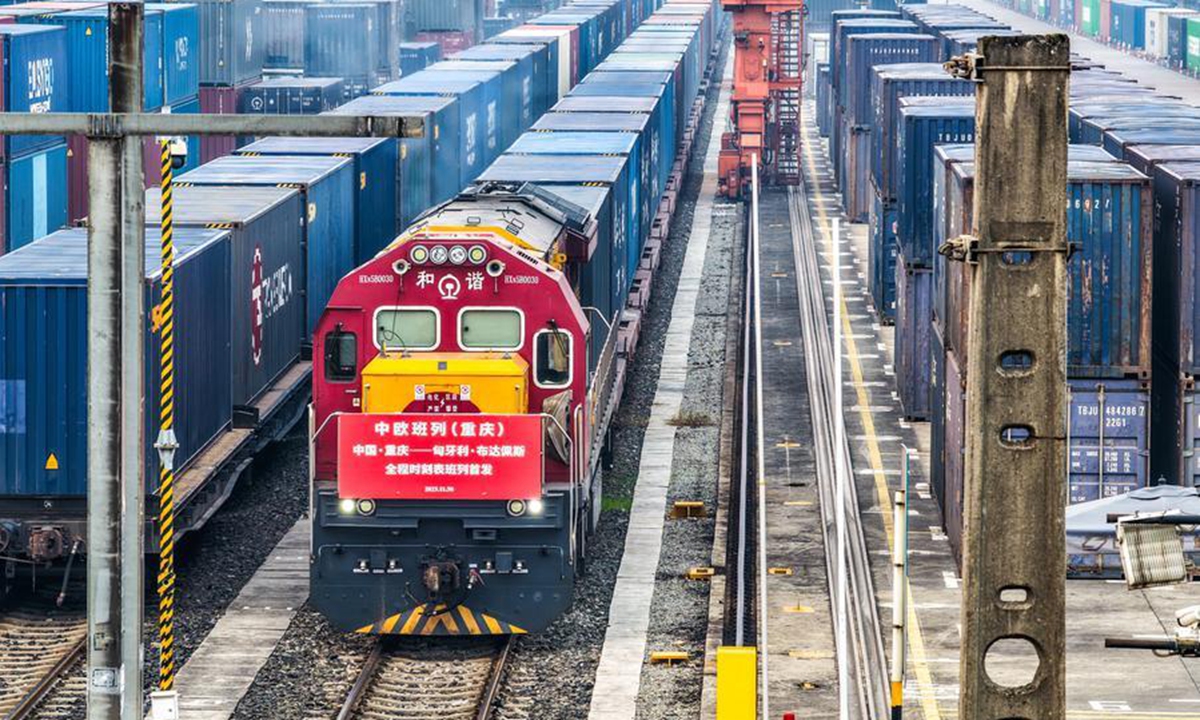
China-Europe Railway Express Freight Volume Rises 25 Percent
China's foreign trade sector shows resilience, boosting the Belt and Road Initiative and enhancing international logistics with the China-Europe Railway.