

Strait of Hormuz: Global Oil Supply Concerns

The recent geopolitical developments surrounding the Strait of Hormuz highlight an increasingly precarious situation for global oil supply chains. The announcement by Energy Secretary Chris Wright that the U.S. Navy is currently unprepared to escort tankers through this crucial chokepoint underscores a critical vulnerability in the shipping of oil. With approximately 20% of the world's oil passing through this narrow waterway, any disruption has the potential to send shockwaves through the global economy. This situation is further inflamed by rising tensions with Iran, which has led to heightened fears of military confrontation and, consequently, the halting of tanker traffic.
The implication of Wright's statement—that military assets are focused on neutralizing Iran's strike capabilities—suggests a prioritization of offensive military strategy over immediate logistical support for oil transportation. While he projected optimism, stating that the Navy could begin escorting operations by the end of the month, the immediate escalation of Brent crude oil prices to $100 per barrel indicates that markets are responding with apprehension. The volatility observed, including a 17% drop in oil prices following the erroneous claim of a successful escort, points to a market that is highly sensitive to both factual and perceived disruptions in supply. Indeed, this serves as a reminder of how geopolitical risks can have immediate and profound impacts on pricing and market stability.
Moreover, the collective response of over 30 countries, committing to release 400 million barrels from strategic reserves, illustrates a concerted effort to stabilize the market. However, despite this substantial influx of reserves, prices remain inflated, reflecting a potential disconnect between availability and consumer confidence. The pressing question looms: how long can these reserves buffer against the backdrop of major supply worries if tensions persist? While the desire to calm the market through promises of quick resolution is palpable, the harsh reality is that such geopolitical conflicts often do not adhere to timelines or predictable outcomes.
Looking back at historical precedents, the current situation parallels tensions seen during the Arab Oil Embargo and the events following the 2003 Iraq War, wherein market reactions were swift and devastating. Just as those crises led to long-term shifts in energy policy and market structures, the current landscape invites investors to recalibrate their risk assessments and rethink traditional supply chain strategies. The unintended consequence of these geopolitical frictions may lead to a more diversified energy sourcing strategy among consumer nations, potentially diminishing reliance on certain regions.
In conclusion, while immediate measures have been introduced to address the oil supply crisis, the unresolved tensions with Iran pose significant risks to both the stability of energy markets and the economic wellbeing of consumers. Analysts and investors must navigate this landscape with caution, weighing the risks of continued military engagement against the benefits of diplomatic resolutions. The interplay between military readiness, energy strategy, and market confidence will ultimately dictate the trajectory of global oil prices in the weeks to come. As the world watches, one must ask: are we prepared for the potential fallout of entrenched conflict, or will this serve as a pivotal moment for a re-evaluation of global energy policies?
Read These Next

Governance and Financial Strategies: Recent Changes Examined
This commentary analyzes the recent changes within a company's board, focusing on implications for governance and financial strategies, along with potential risks for investors.

Oil Price Spike Revives U.S. Stagflation Fears
Analysis of rising oil prices and the potential for stagflation in the U.S. economy, discussing the implications for economic growth, inflation, and Federal Reserve policy.
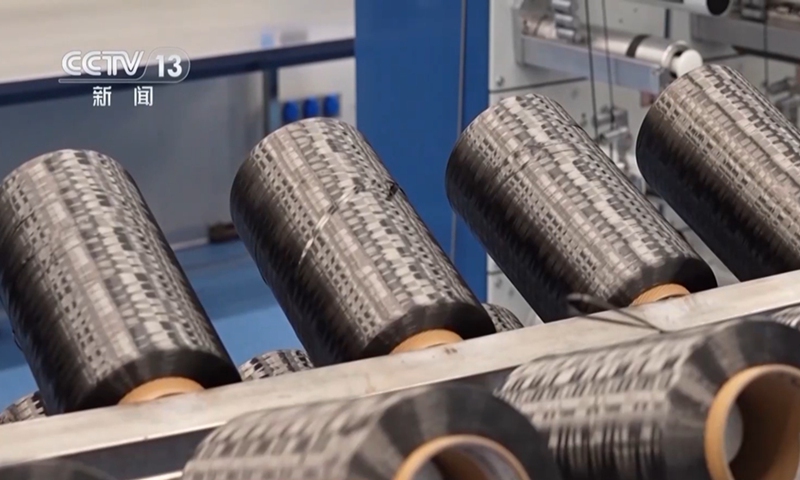
China Introduces World's First T1200-Grade Ultra High Strength Carbon Fiber
China unveils the world's first T1200-grade ultra-high-strength carbon fiber, enhancing its materials science for strategic industries.