

USA-Iran War: Largest Oil Supply Disruption Ever
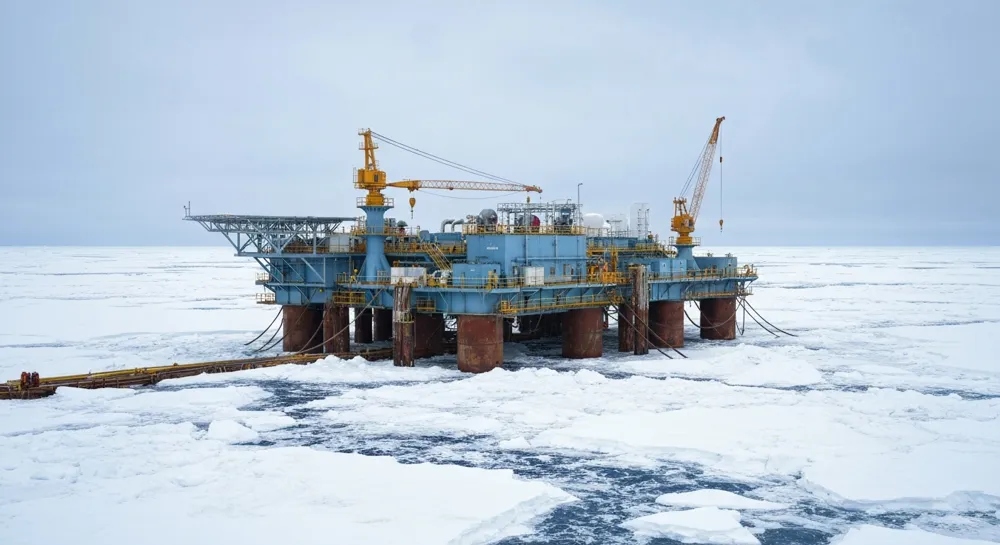
The ongoing conflict between the USA and Iran has triggered a seismic shift in the global oil landscape, marking what is being touted as the largest disruption of oil supply in history. According to insights from Rapidan Energy, the current turmoil has precipitated a cessation of around 20% of the world's oil supply in the span of just nine days. As this crisis unfolds, oil prices have surged past the $100 per barrel mark, with significant implications for both consumers and large corporations reliant on stable energy costs.
Historically, the disruption caused by the Iranian war is unparalleled, eclipsing the effects of the Suez Crisis of 1956 and the 1973 Arab oil embargo. The Suez Crisis interrupted approximately 10% of global oil supply while the Arab embargo halted around 7%. However, unlike these past events, the present crisis is compounded by the absence of adequate reserve capacity to cushion the blow. Analysts highlight that Saudi Arabia and the United Arab Emirates, usually the backbone of the world's oil reserves, have been sidelined due to the closure of the Strait of Hormuz, exacerbating the supply shock. With strategic reserves of the United States now deemed insufficient—holding roughly 415 million barrels, or 58% of the total mandated capacity—the market faces alarming volatility with no significant buffer available. This is a crucial deviation from historical norms, where market reserves and strategic stocks could absorb shocks, providing a safety net for the global economy.
The ramifications of skyrocketing oil prices extend beyond immediate energy costs, affecting Fortune 500 companies and the broader economy. Rising energy expenses can erode EBITDA margins and trickle down to consumers, leading to inflationary pressures that could destabilize economic recovery trajectories. Corporations in energy-intensive sectors such as automotive manufacturing, consumer electronics, and pharmaceuticals may face production delays or slowdowns, further complicating logistical and supply chain scenarios already strained from previous global disruptions. Moreover, political consequences loom large as regulators grapple with implementing emergency measures, including the release of strategic reserves coalesced under the auspices of the G7. Nonetheless, a fundamental question arises: Will coordinated reserve releases be sufficient to stabilize a market that has grown increasingly contingent on a delicate geopolitical equilibrium?
As policymakers weigh their options, it is vital to consider possible unintended consequences of intervention. The historical context suggests that quick fixes may yield temporary relief but could ultimately lead to over-dependency on strategic reserves, potentially undermining long-term energy policies aimed at diversification and sustainability. The current landscape may encourage a pivot towards alternative energy sources, which had been gathering momentum in recent years but could be overshadowed by oil’s prevailing dominance. On a macroeconomic level, a prolonged crisis could exacerbate recessionary trends, particularly in oil-importing nations, while further entrenching the reliance on oil in other markets.
In conclusion, the conflict between the USA and Iran is likely to redefine global oil supply dynamics, enforcing a shift in strategies across multiple sectors. As the market navigates this turbulent period, stakeholders including investors, regulators, and consumers must be prepared to adapt to a new reality characterized by high volatility, elevated prices, and re-evaluated policies. The extent to which long-term strategies can evolve amid short-term shocks will be crucial to maintaining stability and fostering economic growth in the future.
Read These Next

Commodity Futures Decline as Europe's Shipping Index Falls Over 11 Percent
On March 10, the commodity futures market declined, with Shanghai shipping Euro line down over 11%, while Shanghai silver rose over 6%.

Legend Holdings' Strategic Shift: Risks in Buybacks & Acquisitions
Analysis of Legend Holdings Corporation's recent share buyback and acquisition agreements, highlighting corporate strategies, financial trends, and potential risks.

Chinese Executives Praise Market for Stability and Transparency
Foreign executives see China as a key growth engine, valuing its market and innovation while favoring stability and transparency.