

Countries Act on Rising Oil Prices China Takes Steps for Energy Security
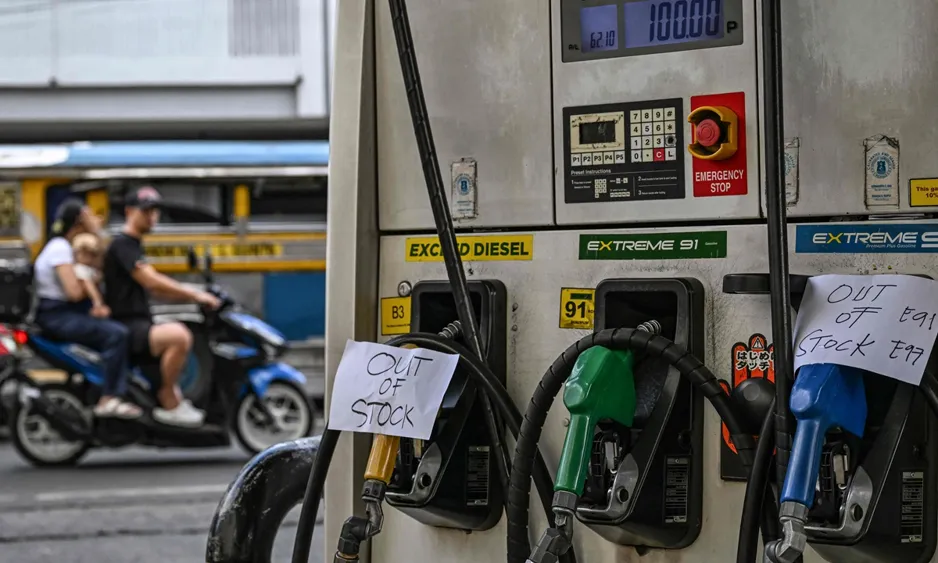
In response to the recent surge in global oil prices, China's Foreign Ministry has announced measures aimed at protecting the nation's energy security. This initiative comes amid an upward trend in oil costs, which has crucial implications for global energy strategies.
On Monday, global oil prices soared to nearly 120 dollars per barrel, marking the highest levels since mid-2022. This price hike has been partly spurred by the ongoing conflict involving the US and Israel against Iran, affecting vital oil-producing countries and critical shipping routes, particularly in the strategically important Strait of Hormuz.
The price spike has raised alarms both for oil production and the transportation of crude oil and natural gas, prompting various oil-importing nations to reconsider their energy strategies. The Brent crude benchmark saw a remarkable increase of up to 29 percent, reaching 119.50 dollars per barrel before settling at 107.80 dollars, as reported by the Associated Press.
This recent surge is noteworthy as it is the first instance in almost four years that Brent crude has exceeded the 100 dollars mark. Presently, oil prices are approximately 50 percent higher compared to levels prior to the onset of hostilities on February 28.
West Texas Intermediate also experienced significant growth, jumping 31.4 percent to 119.48 dollars per barrel, according to Reuters. However, prices exhibited a slight decline later in the day following reports from the Financial Times indicating that G7 finance ministers are convening to discuss a potential coordinated release of oil from emergency reserves.
Regarding participation in G7 discussions on the release of global emergency reserves, Guo Jiakun, a spokesperson for China's Foreign Ministry, deferred specific inquiries to relevant authorities. This reflects the careful navigation of international relations surrounding energy security amidst fluctuations in oil prices.
Recognizing the pivotal role energy security plays in the global economy, the National Development and Reform Commission (NDRC) has been prompted to adjust domestic oil prices accordingly. Effective midnight Monday, retail gasoline prices will increase by 695 yuan, while diesel prices will rise by 670 yuan per ton, as reported by CCTV News.
The NDRC attributed this pricing adjustment to the significant escalation of the US-Iran conflict, which has driven international oil prices higher. In accordance with China's pricing mechanism, domestic prices are adjusted based on the average cost of oil over recent working days.
In addition to the G7's discussions, Japan is reportedly mobilizing its national oil reserve storage facilities for a potential release of crude oil, while South Korea announced plans to urgently import over six million barrels of crude oil from the UAE, highlighting the proactive strategies nations are adopting in response to rising prices.
Meanwhile, some oil-producing countries have announced output cuts due to safety concerns. Kuwait’s recent decision to reduce production underscores the regional volatility impacting the oil market. Such disruptions could lead to further fluctuations in supply and demand, thereby intensifying price increases.
Experts have expressed concern that sustained conflicts in oil-producing regions could significantly impact global market dynamics. Yang Delong, chief economist at First Seafront Fund, warns that rising oil prices could inflate production costs across various sectors, particularly in industries dependent on oil.
Moreover, the International Monetary Fund has projected that each sustained 10 percent increase in oil prices correlates with a 0.4 percent rise in inflation and a 0.15 percent decrease in global economic growth, amplifying the implications of the current oil price crisis.
Read These Next

Navigating Risks in Corporate Governance Transitions
This commentary analyzes recent changes in corporate governance at the company, including new leadership appointments and shareholder participation in governance, highlighting risks and opportunities.

China's AI Revolution Fuels Growth of Smart Economy
China is integrating AI into sectors, shaping a 'smart economy' with government backing, enhancing infrastructure, and fostering businesses.

Spain's 9-Month Government Bonds Yield at 2164 Percent
Spain's 9-month government bonds average yield is 2.164%, reflecting investor sentiment on economic outlook and liquidity.