

China Enhances Innovation and Support for AI Agents Like OpenClaw
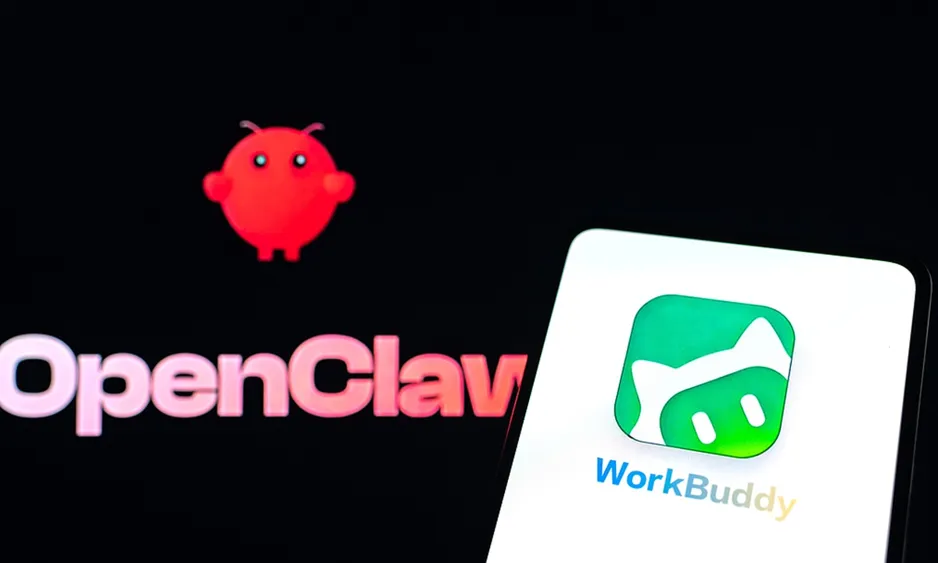
China's Wuxi High-tech Zone located in Jiangsu Province has unveiled new measures to support the development of open-source artificial intelligence (AI) agents, particularly those like OpenClaw. The initiative aims to foster innovation by attracting talent, stimulating industrial growth, and providing substantial financial incentives.
As reported by the Global Times, this move signifies a crucial balance between promoting technological advancement and ensuring security amidst the evolving AI landscape. Experts are urging caution, emphasizing the need to recognize and manage the risks associated with these technologies.
The official WeChat account of the Wuxi High-tech Zone disclosed that the initiative comprises 12 policies designed to provide multifaceted support. These include enhancements in infrastructure, industrial implementation, and talent development, alongside financial subsidies that can reach up to 5 million yuan, equivalent to approximately 720,000 USD.
In a proactive approach to safeguard against the inherent risks tied to open-source AI agents, Wuxi authorities plan to augment security management standards. For instance, any deployment of OpenClaw will require domestic adaptation certification to mitigate potential supply chain vulnerabilities.
OpenClaw itself—developed by Austrian programmer Peter Steinberger—enables large language models to operate computers autonomously, managing files, executing commands, and engaging through messaging apps such as WhatsApp and Telegram.
Since its inception in November 2025, OpenClaw has garnered substantial interest and support, exceeding 145,000 endorsements on GitHub, as noted by Xinhua News Agency. Its increasing popularity has prompted local governments across China to amplify support for the open-source sector, particularly in attracting investment and talent for projects like OpenClaw.
In a broader trend, the concept of "raising crayfish" has surfaced not just in Wuxi but also in Shenzhen, where the Longgang District government recently announced initiatives to bolster the development of OpenClaw. These measures aim to implement a comprehensive support program covering all phases of development.
Industry analyst Ma Jihua remarked that amidst the global surge in AI technologies, China's commitment to providing extensive market applications and policy support is noteworthy. Local governments are actively taking steps to nurture ecosystems for innovation, particularly in intelligent manufacturing and open-source AI.
Xiao Xinguang, founder of Antiy Labs, pointed out the transformative capabilities of OpenClaw. Unlike existing advanced AI service providers, OpenClaw can undertake specific tasks on behalf of users, marking a significant evolution in AI functionality.
OpenClaw's success has also reverberated through China's A-share market, with related concept stocks experiencing significant investment surges. Sectors including cloud computing and AI applications saw notable gains, exemplified by UCloud reaching the maximum daily trading limit.
Despite these advancements, experts caution that the rapid development of new technologies necessitates an equal focus on risk management. Acknowledging the potential for misuse of OpenClaw, cybersecurity experts have highlighted the importance of vigilant practices when deploying such powerful tools.
In response to concerns about security, the National Vulnerability Database in February identified potential risks related to OpenClaw configured with default settings. The agency urged stakeholders to remain vigilant against cybersecurity threats, reinforcing the notion that innovation in AI should proceed alongside robust safety measures.
Read These Next

Corporate Guarantees: Financial Impact on Guangdong Jianlang
This commentary analyzes Guangdong Jianlang Hardware Products Co., Ltd.'s recent decision to provide substantial guarantees for its subsidiary, exploring the financial implications, historical parallels, and potential risks.

Oil Prices Fall 10% After Trump Warns Iran Over Hormuz
The article discusses the 10% drop in oil prices following President Trump's strong warnings to Iran about the Strait of Hormuz, analyzing potential impacts on global energy markets and consumer prices.

Commodity Futures Decline as Europe's Shipping Index Falls Over 11 Percent
On March 10, the commodity futures market declined, with Shanghai shipping Euro line down over 11%, while Shanghai silver rose over 6%.