

Global South Trade Boosts Stability in Uncertain World Economy
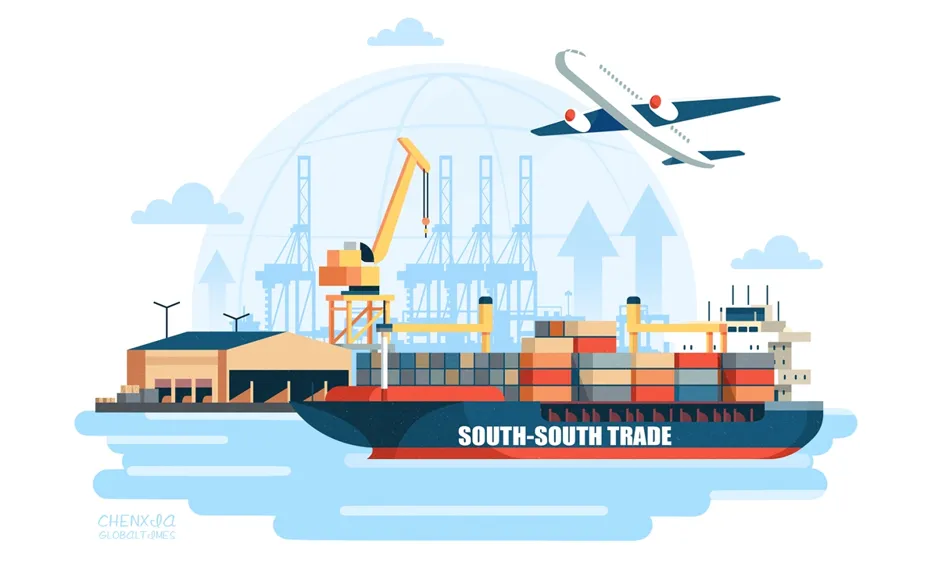
Trade among developing economies in the Global South has risen to the point where it now comprises more than half of their total exports, highlighting its significant contribution to global economic stability. This development comes amid a backdrop of increasing protectionist policies and geopolitical tensions that have historically disrupted established trading routes.
Recent analyses underscore the importance of South-South trade. According to reports from the World Trade Organization and media outlets, a notable shift is occurring as more than fifty percent of developing countries' exports are now destined for other emerging economies. This trend suggests a movement away from traditional North-South trade paradigms.
The growing volume of intra-Global South trade points to an evolving landscape where developing nations are fostering closer economic ties. Factors contributing to this shift include rising consumer demand in emerging economies, where increased income levels are expanding consumption potential. This trend indicates not just current stability but also sustained growth opportunities.
As markets in the Global South, which encompass nearly seventy percent of the global population, continue to evolve, merchandise trade among these nations has reportedly surged by over 4.6 times since 2000. In contrast, trade growth in developed economies has been comparatively subdued, underscoring the dynamic potential of the Global South.
The restructuring of global value chains has also facilitated heightened trade in intermediate goods among developing countries. While Western nations have sought to 'reshore' their supply chains, emerging economies are becoming increasingly interconnected, cultivating business environments conducive to industrial collaboration and evolving trade patterns.
For example, China's exports of key components such as flat panel display modules and automotive parts to ASEAN nations saw impressive increases of over twenty percent in the first quarter of 2025 compared to the previous year. Simultaneously, imports from ASEAN countries have also risen, showcasing a growing interdependence in the region.
Enhancements in infrastructure and logistics networks have also driven down trade costs, further promoting South-South commerce. Noteworthy initiatives such as the Belt and Road Initiative have played a crucial role, developing critical logistical systems that facilitate smoother trade flow between nations.
The introduction of new shipping routes, like the "Chancay-Shanghai" route, has significantly reduced transit times and lowered logistics costs, demonstrating the tangible benefits of improved connectivity. Such advancements highlight the changes reshaping trade dynamics in the Global South.
Overall, despite the challenge posed by rising protectionism in developed markets, the growing participation of developing countries in global trade is becoming increasingly prominent. As over half of their exports now target other developing economies, the focus on strengthening regional supply chains and enhancing cooperation will be vital for achieving robust, resilient economic growth across the Global South.
Read These Next
China Responds to G7 Oil Reserve Release with Energy Security Measures
China vows to maintain energy security amidst rising tensions and G7 policy shifts, ensuring stable oil supply in a volatile market.
CBO Estimates US February Budget Deficit at 308 Billion
CBO forecasts U.S. budget deficit to hit $308B by Feb 2026, raising market concerns on fiscal policy and Fed decisions.

Share Buybacks: Strategies in a Changing Market
This commentary analyzes the newly proposed share buyback program by the company, exploring its significance, underlying financial strategies, and potential risks and opportunities amidst current market dynamics.