

China's State Media Issues Security Warning on OpenClaw
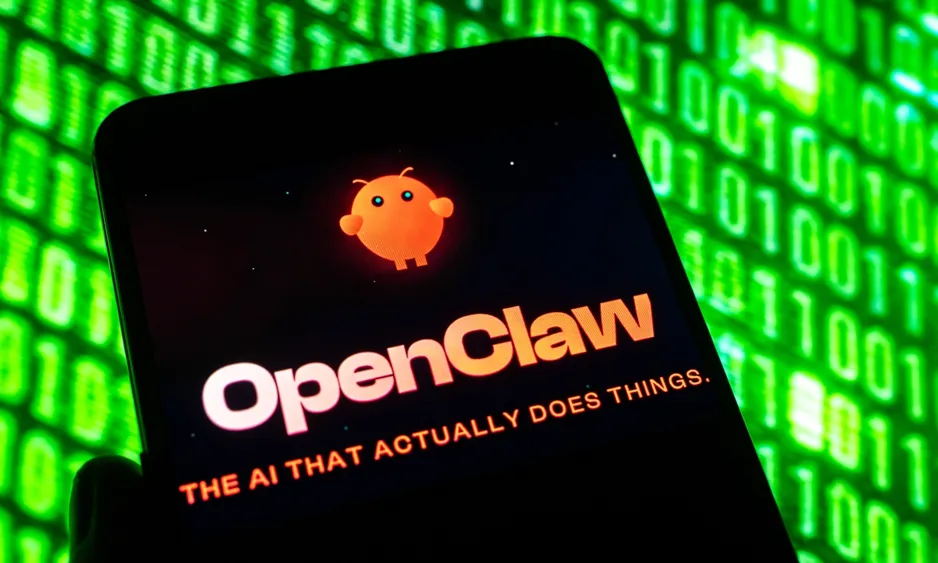
Chinese state media has issued a cautionary note regarding the OpenClaw AI, coinciding with excitement from technology giants Xiaomi and Tencent, who are in the process of testing their systems. The Xinhua News Agency highlighted these concerns through an article published on its official WeChat account.
This warning appeared as 'raising crayfish' became a trending topic among Chinese internet users on social media, specifically on Sina Weibo. The term is associated with the OpenClaw autonomous AI agent, which has captured the interests of tech enthusiasts across the nation.
The autonomous AI, dubbed OpenClaw due to its logo resembling a crayfish, is designed to enhance personalized AI assistance through multi-channel communication and large language models. It features a persistent memory and the ability to proactively execute tasks, which differentiates it from traditional systems that primarily focus on conversation.
However, analysts point out that while the functional capabilities of OpenClaw are impressive, they necessitate extensive system permissions to operate effectively. This functionality allows users to manage local files and applications, which raises concerns about cybersecurity.
In light of safety concerns, discussions on social media suggest a cautious approach for potential users, advocating for a wait-and-see tactic towards installing the OpenClaw technology. Experts recommend that average users exercise prudence when considering its adoption.
Kevin Lin, a tech aficionado who successfully installed OpenClaw, told the Global Times that the tool has transformed his work and personal life, integrating management functions from various instant messaging applications effectively.
Despite the potential gains, he acknowledged that the performance of OpenClaw largely depends on the underlying large language model it uses, a factor that may influence user experience.
Meanwhile, the testing phase for OpenClaw has involved select users, with Xiaomi initiating a closed beta test that is invite-only, as recently announced on its Sina Weibo account. This limited access has prompted tech enthusiasts to carefully back up their data before proceeding.
At Tencent's headquarters, nearly 1,000 developers and AI enthusiasts participated in an installation event, showcasing the high demand for the technology, even leading some individuals to charge fees for installation services.
Industry analyst Liu Dingding emphasized the excitement among internet giants regarding OpenClaw, predicting that its introduction will open significant opportunities for their cloud services and ecosystems.
However, alongside these prospects, concerns regarding the new technology persist, particularly following warnings from Chinese authorities. The National Administration of State Secrets Protection has urged caution regarding OpenClaw, highlighting security risks associated with open-source projects.
Recent alerts from the Ministry of Industry and Information Technology warned of vulnerabilities linked to improper configurations of OpenClaw, which could result in cyberattacks and data breaches. Despite the potential pitfalls, local governments, like that of Longgang district in Shenzhen, are drafting action plans to support OpenClaw's development, suggesting a keen recognition of its prospective impact.
Read These Next

China Spring Travel Market Sees Rising Demand and New Trends
China's travel market is booming as spring approaches, with innovative trends boosting bookings and unique attractions.
China Responds to G7 Oil Reserve Release with Energy Security Measures
China vows to maintain energy security amidst rising tensions and G7 policy shifts, ensuring stable oil supply in a volatile market.

CBO Estimates US February Budget Deficit at 308 Billion
CBO forecasts U.S. budget deficit to hit $308B by Feb 2026, raising market concerns on fiscal policy and Fed decisions.