

Japan France Canada Explore Critical Minerals Bloc Amid G7 Divisions
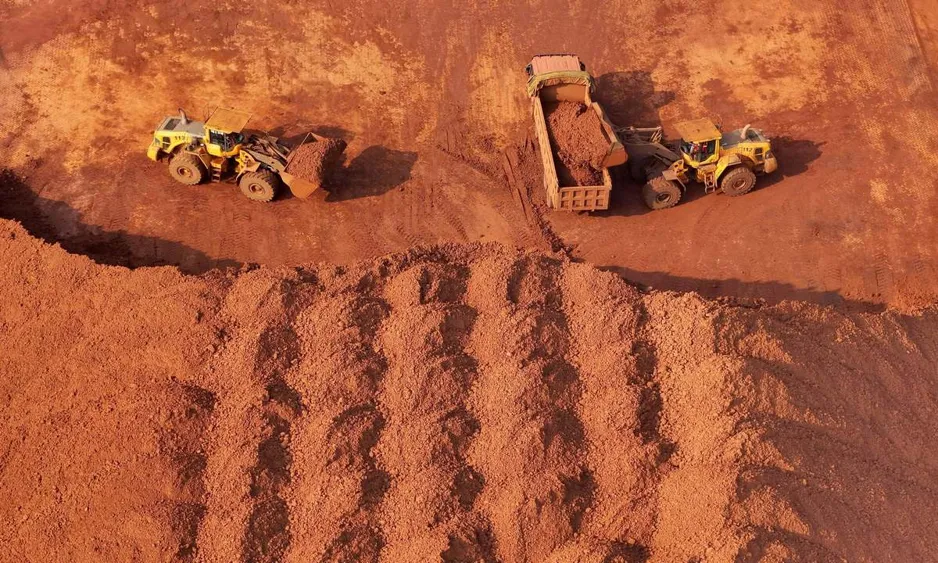
In the wake of increasing global trade tensions and a shifting geopolitical landscape, Japan, France, and Canada are exploring the formation of a critical minerals bloc aimed at reducing their reliance on China. This strategic initiative comes as tensions within the Group of Seven (G7) have surfaced, with these nations contemplating alternatives to a U.S.-led trade coalition focusing on securing vital mineral supplies. Senior officials from these countries shared insights on this emerging development in a recent Reuters report.
The dynamics of international relations have led to the rise of various blocs focused on diminishing dependency on China's rare earth elements. However, experts have noted that the proliferation of these 'Western blocs' underscores a lack of coherent coordination rather than demonstrating supply chain resilience. This fragmentation raises questions about the effectiveness of such alliances.
The measures currently under discussion by Japan, France, and Canada encompass the introduction of import quotas for select rare earth elements and subsidies for mining firms with a goal to diversify the supply chains for critical minerals. These actions signal a proactive approach to securing essential resources amidst growing competition.
Prior to this joint effort, Canada spearheaded a distinct initiative aimed at uniting mineral-consuming nations through a 'critical minerals buying group', which emphasizes collective purchasing power rather than just relying on minimum price agreements. This approach is part of a broader strategy by Canada to bolster its position in the global minerals market.
This 'buyers' club' aligns with the overarching objective of creating a dependable supply chain for critical minerals independent of China, thereby aiming to break China's monopoly on these essential materials. The collaborative framework currently being explored by Japan, France, and Canada is expected to mirror this strategic vision.
The U.S. has previously launched the Minerals Security Partnership (MSP) in 2022, targeting mineral supply chains crucial for clean energy technologies. Both Japan, Canada, and France are integral members of the MSP, which has encouraged various policy initiatives aimed at reducing reliance on Chinese firms involved in critical mineral production.
Recently, the U.S. administration outlined plans to create a 'preferential trade bloc' for critical minerals with allied nations. U.S. Vice President JD Vance stated that the ongoing trade war with China has illustrated the extent to which many nations depend on critical minerals majorly controlled by Beijing, calling for urgent collective action to ensure Western self-reliance.
However, as some countries adopt alternative strategies distinct from U.S. guidance, Canadian Prime Minister Mark Carney has urged middle powers to come together amidst the U.S.'s distancing from its traditional allies. This shift reflects growing concern over U.S. unilateralism and inconsistent commitments, leading to diminished credibility regarding U.S.-led initiatives among G7 members.
Experts express that nations like Japan, Canada, and France are actively searching for stable guarantees for critical mineral supplies, yet diverging national interests have led to intersecting memberships within these emerging blocs. Given the ongoing complexities, tangible benefits remain elusive, thus prompting further collaboration as a potential solution.
In light of these developments, Canada has reported securing 30 new partnerships and investments amounting to C$12.1 billion (approximately $8.83 billion), with the goal of advancing critical mineral projects alongside twelve allied partners. Such initiatives underscore a broader commitment among G7 nations to address China's dominance in the global rare earth market.
Data from the International Energy Agency corroborates China's significant influence, indicating that it accounted for around 60 percent of global mining output in 2024, with an even larger share in the processing stages, representing about 91 percent of global production. This dominance underscores the urgency for Japan, France, and Canada to effectively implement their strategies to secure critical resources.
Amidst these challenges, China's regulatory framework remains focused on managing exports rather than restricting them. Recent statements highlight China's commitment to facilitating compliant trade while upholding national security and international obligations, positioning it as a key player in the global rare earth supply chain.
Read These Next

China Spring Travel Market Sees Rising Demand and New Trends
China's travel market is booming as spring approaches, with innovative trends boosting bookings and unique attractions.
China Responds to G7 Oil Reserve Release with Energy Security Measures
China vows to maintain energy security amidst rising tensions and G7 policy shifts, ensuring stable oil supply in a volatile market.
CBO Estimates US February Budget Deficit at 308 Billion
CBO forecasts U.S. budget deficit to hit $308B by Feb 2026, raising market concerns on fiscal policy and Fed decisions.