

China pushes AI adoption to boost job creation and enhance employment
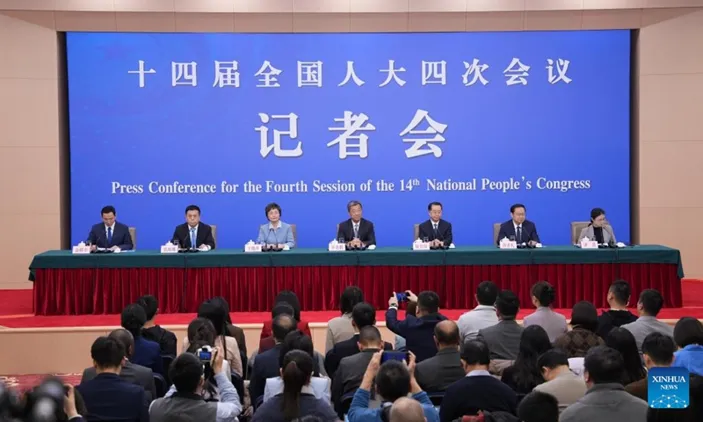
China's Ministry of Human Resources and Social Security is actively seeking to harness artificial intelligence (AI) to create new job opportunities and enhance existing roles. A senior official made this announcement at a press conference held during the fourth session of the 14th National People's Congress in Beijing.
Minister Wang Xiaoping addressed inquiries about the current employment landscape and the ministry's strategic plan for the upcoming 15th Five-Year Plan (2026–2030). She emphasized the goal of integrating AI into employment initiatives to produce new roles while improving traditional employment pathways, with a focus on fostering inclusive development that aligns technological growth with better living standards.
During the press conference, Wang reiterated that the strategy prioritizing employment would receive robust support throughout the 15th Five-Year Plan period. The ministry aims to implement coordinated efforts to stabilize jobs, boost capacity, and enhance overall job quality.
In discussing job stabilization efforts, Wang highlighted that support would be directed towards labor-intensive sectors such as foreign trade and construction. This approach aims to secure employment through the promotion of industry development, which is crucial in maintaining job security amid evolving economic conditions.
Despite facing challenges during the 14th Five-Year Plan period (2021-2025), China's employment sector has shown resilience, attributed to the consistent focus of the CPC Central Committee on job stability. This emphasis has allowed for the successful execution of policies intended to uphold both employment and economic stability.
Wang noted the rapid growth of industrial sectors and emerging markets as pivotal in workforce absorption and redeployment. The drive for innovation and adaptability among businesses, along with employees' efforts, reflects the dynamic nature of China's economy.
Going forward, the ministry intends to tap into opportunities presented by the digital economy, advanced manufacturing, and modern services, all aimed at stimulating industrial upgrades to generate new jobs. Efforts will also include revising the minimum wage framework and implementing protective measures for wage payment, particularly for migrant workers.
Wang also outlined specific initiatives for vulnerable demographics, promising skill-training programs for older workers and expanded labor cooperation for migrant employees. The ministry plans to provide continued support to those facing poverty risks and vulnerable groups seeking stable employment.
Looking ahead to the 15th Five-Year Plan period, Wang expressed confidence in the enduring conditions that will facilitate long-term economic improvement, optimistic about high-quality development prospects and the institution's strength in maintaining stable employment.
These remarks highlight China's broader strategy to mitigate the societal impacts of rapid technological advancements, leveraging AI for job creation while reinforcing sectors that are labor-intensive. Academics suggest that China must effectively harness opportunities while addressing employment challenges to achieve a high-quality and comprehensive workforce.
Read These Next

China's 15th Five-Year Plan Promises Global Predictability
China's 15th Five-Year Plan emphasizes long-term growth, innovation, and resilient markets, boosting global economic stability.

Luckin Coffee Investors Set to Acquire Blue Bottle from Nestlé
Luckin Coffee plans to acquire Blue Bottle Coffee from Nestlé, enhancing its brand and competitiveness in the coffee market.

Kuwait Cuts Oil Production Ahead of Strait of Hormuz Closure
Kuwait's decision to cut oil production due to geopolitical tensions with Iran leads to significant disruptions in global oil supply and price surges, raising concerns for dependent economies and laying the groundwork for greater volatility.