

Chinese Localities Host 22000 Job Fairs to Enhance Employment
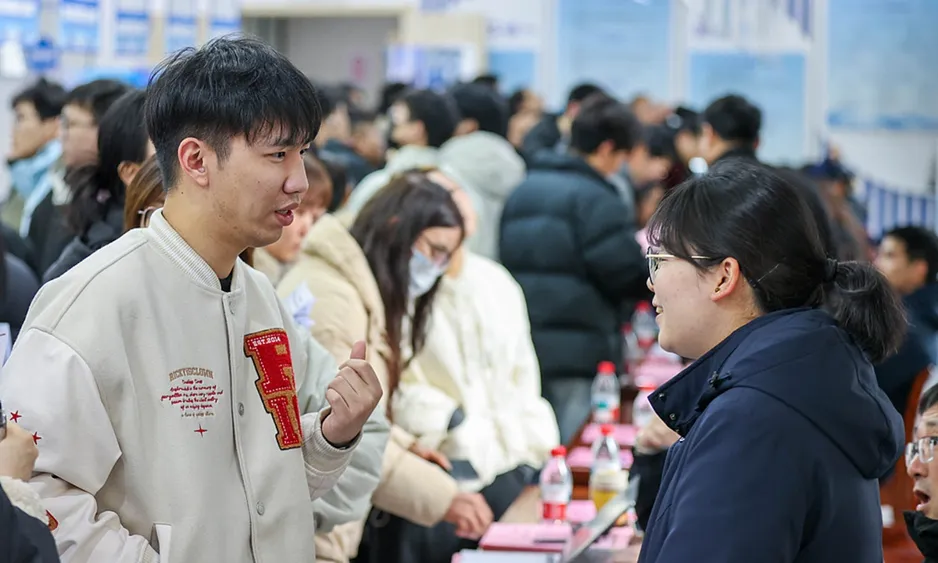
China has initiated an expansive campaign dubbed 'Spring Breeze Action' to enhance employment opportunities following the Spring Festival. As part of this initiative, an impressive 22,000 job fairs have been organized across various localities, reflecting the government's effort to revitalize the job market.
According to a report by CCTV News, the Ministry of Human Resources and Social Security has confirmed that these job fairs have collectively advertised 13 million job openings. This surge in employment opportunities comes amidst a notable increase in demand for skilled labor, particularly in emerging industry sectors.
The conclusion of the nine-day Spring Festival holidays, which wrapped up on February 23, has marked the commencement of a robust phase in China's job market. Data from Zhaopin, a prominent online recruitment platform, indicates that industries aligned with new quality productive forces are prominently active in hiring.
In the week following the holidays, postings in China's robotics sector saw a remarkable year-on-year increase of 31.3 percent, leading the charge as the fastest-growing industry. This was closely matched by the optoelectronics sector, along with new materials and defense manufacturing, demonstrating annual growth rates ranging from 30.5 percent to 20.1 percent.
Specifically in the Xiong'an New Area, part of the strategic Beijing-Tianjin-Hebei integrated development, an on-site job fair featured over 2,000 job vacancies from more than 70 employers. Many participating companies are subsidiaries of central state-owned enterprises, aiming to tap into a fresh pool of talent.
A college graduate named Wei, specialized in logistics management, attended one of the job fairs in Zibo, Shandong Province, on February 24, the first day back to work post-holiday. He found the range of companies present—from biomedicine to education and technology—encouraging.
Wei expressed that the fair was beneficial, helping him navigate job opportunities and providing valuable briefings on employment policies linked to local labor markets. Furthermore, services were tailored to address specific challenges faced by job seekers, including support for working mothers and veterans.
As various local authorities step up efforts to support job seekers in securing stable employment, and with the increasing global recognition of high-tech Chinese firms during the Spring Festival, experts forecast a promising start for employment in 2026.
Professor Sun Chuanwang from Xiamen University notes that the upcoming spring job market will present a wealth of opportunities, especially in emerging sectors, indicating progress in China’s industrial transformation. He also highlighted that these roles are poised to offer better compensation compared to those within traditional industries.
The significance of employment stability was underscored at the annual Central Economic Work Conference in December, which stressed the importance of steady growth across employment, businesses, markets, and expectations to successfully implement the 15th Five-Year Plan for 2026-2030.
To further facilitate the labor movement needed for work resumption post-holidays, approximately 150,000 individuals were transported nationwide via chartered services, including buses and trains, by February 26, as reported by Xinhua.
Read These Next

Jiangsu Lianrui's Strategy to Hedge Currency Risks
This commentary analyzes Jiangsu Lianrui New Materials Co., Ltd.'s annual report, focusing on its expansion of overseas operations and proactive hedging strategies, while examining the inherent risks and broader economic trends.
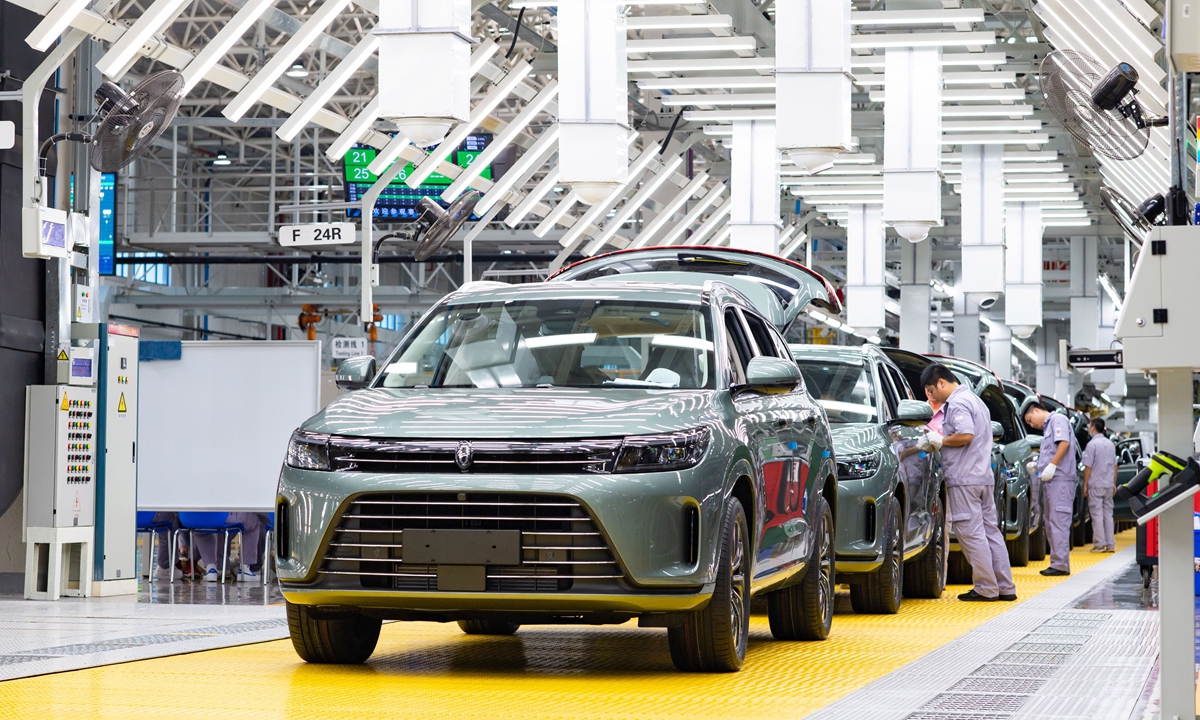
China NEV wholesale set to grow 13% to 173 million units by 2026
China's wholesale sales of new-energy vehicles expected to grow 13% this year, driven by advances in self-driving tech and global expansion.

Fitch Warns Saudi Banks May Stop Growth Amid Iran Conflict
Fitch warns that ongoing Iran-Saudi conflict could stall Saudi banking growth and dividends, raising concerns for regional stability.