

Chinese FM Discusses Impact of Strait of Hormuz Closure on Energy Security
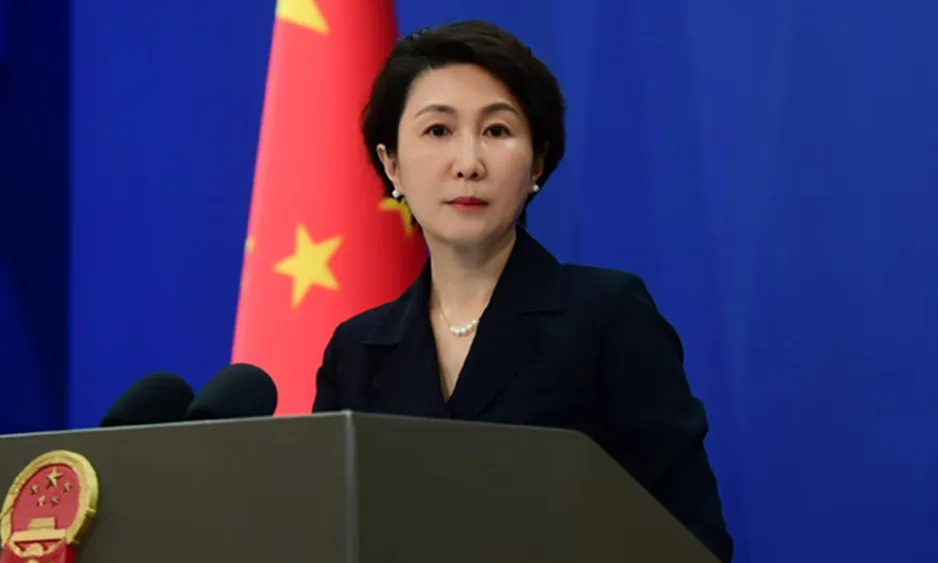
China's Ministry of Foreign Affairs has underscored the significance of the Strait of Hormuz for global trade and energy security in light of the unfolding situation in Iran.
During a regular press briefing, spokesperson Mao Ning responded to inquiries from foreign media regarding the potential repercussions of closing the Strait of Hormuz on China's energy imports and overall energy security.
Mao emphasized that the Strait of Hormuz and its adjacent waters serve as critical international pathways for the shipment of goods and energy resources.
She asserted that maintaining security and stability in this region is a shared interest for the international community, highlighting the interconnectedness of global trade.
In her remarks, Mao called upon all involved parties to cease military operations immediately and to prevent any escalation of tensions that may lead to regional instability.
She warned that such instability could have extensive adverse effects on global economic development, further underlining the urgency of diplomatic efforts in the area.
The tensions surrounding Iran and its implications for energy routes are particularly pertinent for major economies like China, which relies heavily on energy imports.
The ministry's statements reflect China's broader concerns about the geopolitical climate in the Middle East and its potential impact on international relations and energy security.
By advocating for dialogue and conflict resolution, China aims to contribute to a more stable and secure environment that supports its economic interests.
The international community watches closely as developments unfold, recognizing that actions in the Strait of Hormuz can ripple across global markets.
Read These Next
Jiangsu Lianrui's Strategy to Hedge Currency Risks
This commentary analyzes Jiangsu Lianrui New Materials Co., Ltd.'s annual report, focusing on its expansion of overseas operations and proactive hedging strategies, while examining the inherent risks and broader economic trends.
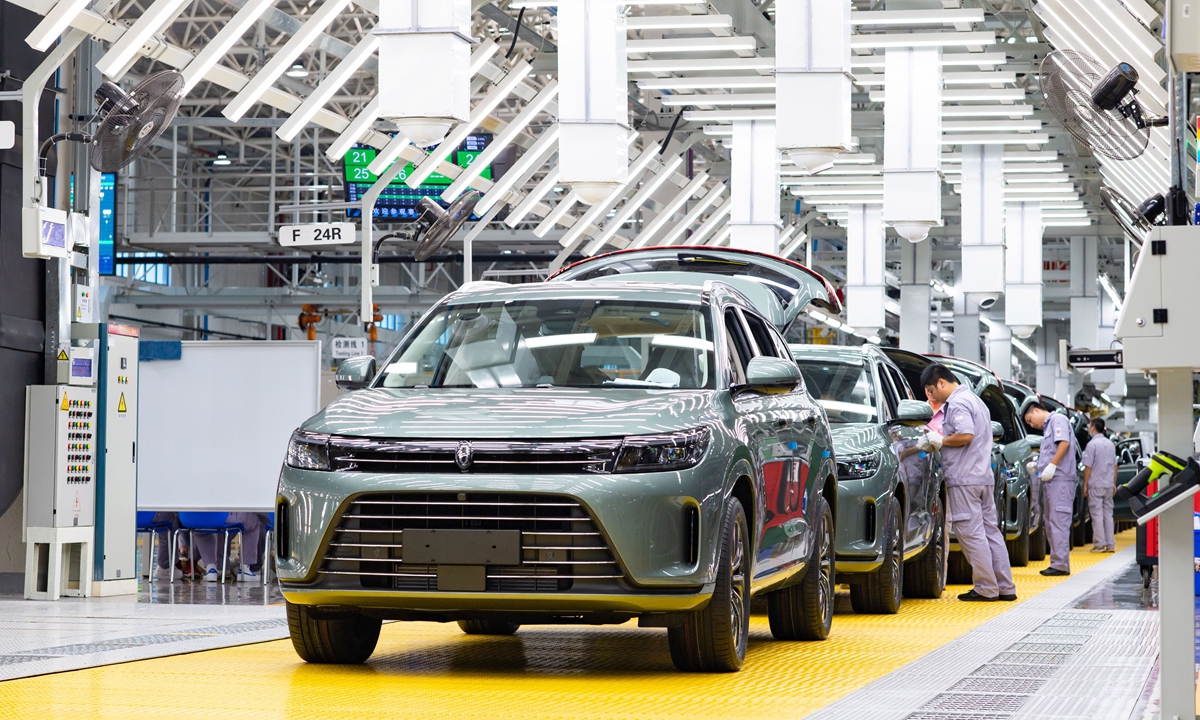
China NEV wholesale set to grow 13% to 173 million units by 2026
China's wholesale sales of new-energy vehicles expected to grow 13% this year, driven by advances in self-driving tech and global expansion.

Fitch Warns Saudi Banks May Stop Growth Amid Iran Conflict
Fitch warns that ongoing Iran-Saudi conflict could stall Saudi banking growth and dividends, raising concerns for regional stability.