

Zimbabwe Bans Raw Mineral Exports Sparking Supply Concerns
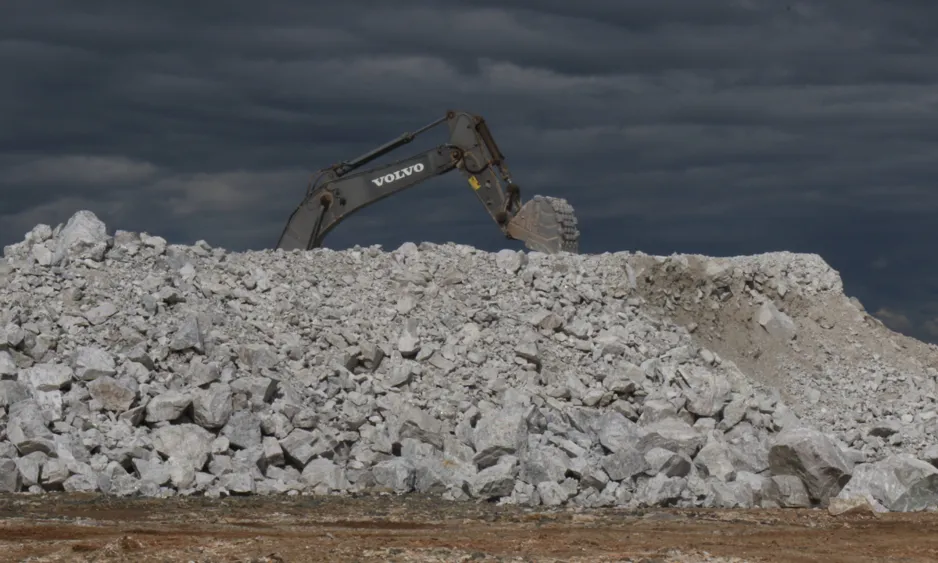
Zimbabwe has announced an immediate suspension on the export of all raw minerals and lithium concentrates, a decision that could significantly disrupt the global supply chain, particularly impacting China's lithium market. The announcement from the mines ministry on Wednesday has raised concerns regarding potential supply shortages, given Zimbabwe's position as one of the world's leading lithium suppliers.
According to the statement from Zimbabwe's Ministry of Mines and Mining Development, the suspension applies to all minerals currently in transit. Only mining companies holding valid mining titles and operating approved beneficiation plants will be permitted to continue exporting minerals.
Wu Chenhui, an independent analyst specializing in critical minerals, highlighted that lithium concentrate serves as the primary upstream raw material necessary for producing lithium carbonate, a vital mid-stream compound in the electric battery sector. He emphasized that the export ban could contribute to a short-term global lithium supply crisis.
Recent data cited by Bloomberg indicates that Zimbabwe contributed approximately ten percent to the world's mined lithium in the previous year, positioning the country as the fourth largest producer in global lithium mine production.
A report from Great Wall Securities further elaborates that projections for lithium carbonate supply and demand in 2026 suggest a balance of 2.1 million tons in supply against 2.04 million tons in demand. However, the recent export ban could shift that balance, resulting in a potential shortfall of 37,000 to 57,000 tons over the course of the year.
In the context of China, which has exhibited a high dependency on external lithium sources, Wu notes that the nation’s import dependency was around 60 percent for lithium raw materials in 2024, according to the National Development and Reform Commission.
The immediate effects of the export suspension may prompt upstream lithium salt companies to reduce their inventories rapidly and face potential production cuts. Rising lithium prices could subsequently impact downstream sectors, including battery manufacturing and the new energy vehicle industry.
In market response, the most actively traded lithium carbonate futures contract reached 178,020 yuan by midday Thursday, reflecting a surge of 6.07 percent. Earlier in the session, the price had briefly exceeded 187,700 yuan, indicating robust market activity.
Looking ahead, the long-term implications of this export ban will hinge on the adaptability of the global supply network. Although Zimbabwe is a key player, it is not the only source of lithium for China, as other countries such as Australia and Brazil continue to provide significant quantities. Furthermore, Chinese companies have been proactive in establishing diverse overseas supply channels.
Recent figures from China Energy News revealed that in 2024, the country imported approximately 5.25 million tons of lithium concentrate, marking a 31 percent increase from the previous year, with the majority sourced from Australia, Brazil, Zimbabwe, and other nations.
Some Chinese firms involved in mining projects in Zimbabwe have reacted to the export suspension. Yahua Group communicated that the ban would not disrupt its operational capabilities, as it complies with the new regulations. The company has submitted a new export application and anticipates approval within one to two weeks, allowing it to resume exports.
Zhejiang Huayou Cobalt Co echoed similar sentiments, stating that the ban's objective is to regulate irregular export activities. They confirmed that their mining license was granted by the mines ministry, although the exact extent of the operational impact remains unclear.
Read These Next
Proactive Policies Target High-Quality Economic Growth in 2026
China's 2026 economic strategy focuses on proactive policies for high-quality growth and emphasizes innovation and collaboration.

Milan Tram Derailment Claims Two Lives and Injures 49
A tram derailed in Milan on the 27th, killing 2 and injuring 49, raising concerns over public transport safety.

Pentagon and Anthropic: Shifting Military AI Dynamics
The analysis explores the intensifying conflict between Anthropic and the Pentagon, emphasizing its implications for military AI and the shifting dynamics between government and private tech companies. It highlights the necessity for balanced relationships and ethical considerations in the deployment of advanced technologies in national security.