

US Tariff Changes Influence Global Trade Dynamics
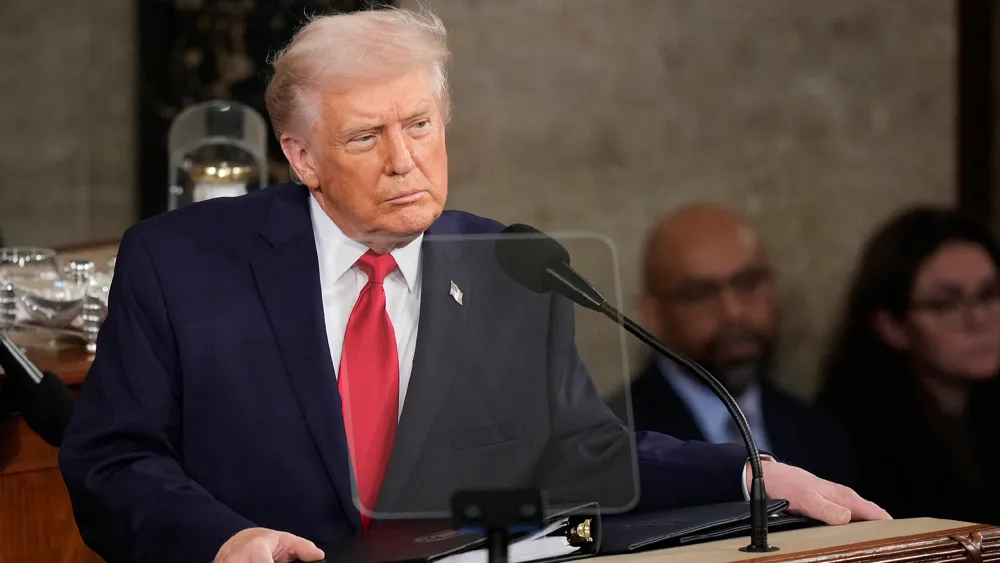
The recent ruling by the US Supreme Court has profound implications for the landscape of global trade. By determining that the president lacks the authority to impose tariffs under the International Emergency Economic Powers Act, the decision effectively nullifies many tariff measures established during the Trump administration. These tariffs were previously justified on national security grounds, but this ruling creates a new institutional framework that may complicate the United States' increasingly unilateral trade policies.
This monumental shift signifies not only a limitation on the executive branch's capacity to impose tariffs unilaterally, but it also reinstates the necessity for congressional approval. Therefore, tariffs that were introduced in 2025 on all Chinese goods, purportedly enacted to combat the fentanyl crisis, among others, have now lost their legal justification, breaking a longstanding trend of emergency-based tariff implementations.
Despite the overall structure of US tariffs remaining stable with Section 301 measures and other security tariffs still in place, the ruling marks a critical change. The president's ability to unilaterally escalate tariffs is now constrained, indicating a shift from abrupt, executive-driven tariff increases to a more legalized approach. This development suggests that US trade policy is not evolving towards liberalization, but rather into a new phase of constrained protectionism.
For global trading partners, the implications of this ruling are significant. The Supreme Court's decision introduces greater legal parameters within which the US executive must operate, allowing countries like China and those within the European Union to plead for a more equitable bargaining landscape. These countries can argue that unilateral US tariffs are now subject to legal scrutiny, thus questioning the reliability of US tariff threats during negotiations.
In light of the unstable nature of US trade policies, nations are likely to seek alternatives to US markets, fostering regional trade collaborations and supply chain diversification. The European Union is already pursuing free trade negotiations with partners in the Asia-Pacific region, while Southeast Asia's rising industrial capacity presents a buffer against US tariff fluctuations.
The ruling may not completely reverse the trend of 'de-risking' but alters its momentum. Companies have previously redirected segments of their production to areas like Southeast Asia and Mexico in anticipation of tightening US policies, rather than in direct response to tariff actions. Therefore, while there is a newfound clarity about tariff escalations, the existing high-tariff regime and technology restrictions will still influence corporate strategic decisions.
The restrictions placed on tariff authority may lead to a significant shift in the tools used by the US to exert economic influence. While these limitations do not diminish Washington's power for economic coercion, they could prompt a pivot to alternative measures, such as redefining national security to cover more sectors and increasing reliance on financial sanctions.
The potential expansion of the definition of 'national security' under Section 232 could encompass critical sectors like technology and minerals, blurring the lines between economic and industrial policies. Furthermore, the US may deepen collaboration with allies to create a robust economic security framework centered around trade controls and regulatory standards.
Overall, the symbolism and structural impact of the ruling reinforce the authority of legal institutions within the United States against unilateral actions in trade, potentially stabilizing multilateral trade norms. However, ongoing legal disputes and instability around US trade policies may lead to a decrease in its global standing as a trade leader, pushing other nations toward diversified trade agreements and localized policies.
As the global trade landscape evolves under this ruling, it reflects a transition towards a multipolar and regionally integrated framework. While the US continues to hold significance as a market, it faces an increasingly shared global economic stage where no single country maintains unilateral dominance.
Read These Next

Corporate Governance and Financial Strategy Before EGM
Analysis of the company's restructuring of its board, financial strategy, and shareholder engagement ahead of the upcoming extraordinary general meeting.

Nvidia's Growth: Trends, Opportunities, and Challenges
Nvidia has posted strong revenue growth attributed to AI chips, raising concerns about future competition and market conditions.

Lithium Carbonate Futures Surge Over 6 Amid Mixed Market
Domestic futures market shows mixed performances; lithium carbonate prices rose over 6%, impacting lithium battery costs and EV industry.