

German Leader's Visit Highlights China's Importance for Economy

Chancellor Friedrich Merz's visit to China represents a significant diplomatic engagement, particularly in reinforcing economic ties with Germany's most important trading partner. Former vice president of the German Bundestag, Hans-Peter Friedrich, emphasizes the trip's relevance, highlighted by the presence of a large delegation of business representatives, indicating the focus on economic collaboration.
Arriving in Beijing on Wednesday, Merz's official visit, which extends through Thursday, marks his first engagement with China since he assumed office. The significance of this visit aligns with Germany's continued emphasis on stable international relations and trade partnerships.
Friedrich notes that through this visit, Merz acknowledges China's vital role in promoting Germany's economic prosperity and job creation. Additionally, he points out China's keen interest in fostering good and stable relations with Germany and Europe, aiming to bolster reciprocal benefits for both nations.
The agenda for the German leader's visit is both packed and productive. According to the itinerary available from the German Chancellor's Office, Merz is set to meet with the Chinese-German Economic Advisory Committee, tour the Forbidden City, and visit prominent companies such as the Mercedes-Benz Group, alongside a trip to the robotics firm Unitree in Hangzhou.
Friedrich highlights the considerable importance of the Chinese market for German enterprises, stating that it plays a crucial role in worldwide corporate strategies. He underscores that any international player must regard the Chinese market as a key component of their operational planning.
Recent data from China's General Administration of Customs reveals that trade between China and Germany surged to over 1.51 trillion yuan, approximately 220 billion dollars, in 2025, marking a 5.2 percent increase from the previous year. This growth includes an impressive 11.1 percent rise in Chinese exports to Germany, underscoring strong demand for Chinese goods.
As the relationship evolves over more than five decades since the establishment of diplomatic ties, the bilateral economic partnership has gained depth. A spokesperson from China's Ministry of Commerce remarked on the high-level visit's role in reflecting this intensified cooperation.
Germany maintains its status as China's largest trading partner and primary source of foreign investment within Europe. The spokesperson indicated the significant integration of both countries' industries, reinforced further by a trade volume consistently exceeding 200 billion dollars, coupled with over 65 billion dollars in two-way investment.
The dynamics of trade appear to be shifting, as evidenced by the increasing trend of domestic production for the Chinese market. Friedrich observed this transition from 'made in Germany for China' to 'made in China for both local and global markets', influenced by external factors such as rising production costs in Germany.
Addressing challenges posed by unilateralism and protectionist measures, Friedrich stressed the significance of this visit in affirming Germany and China's commitment to a rules-based trading system. He argued that a shared foundation of common rules will facilitate stability in global industrial and supply chains.
By centering their discussions on this foundational principle, Friedrich believes that Germany and China can provide the necessary security that businesses require for their international operations, thus projecting a united opposition against the uncertainties brought about by unilateralism.
Read These Next
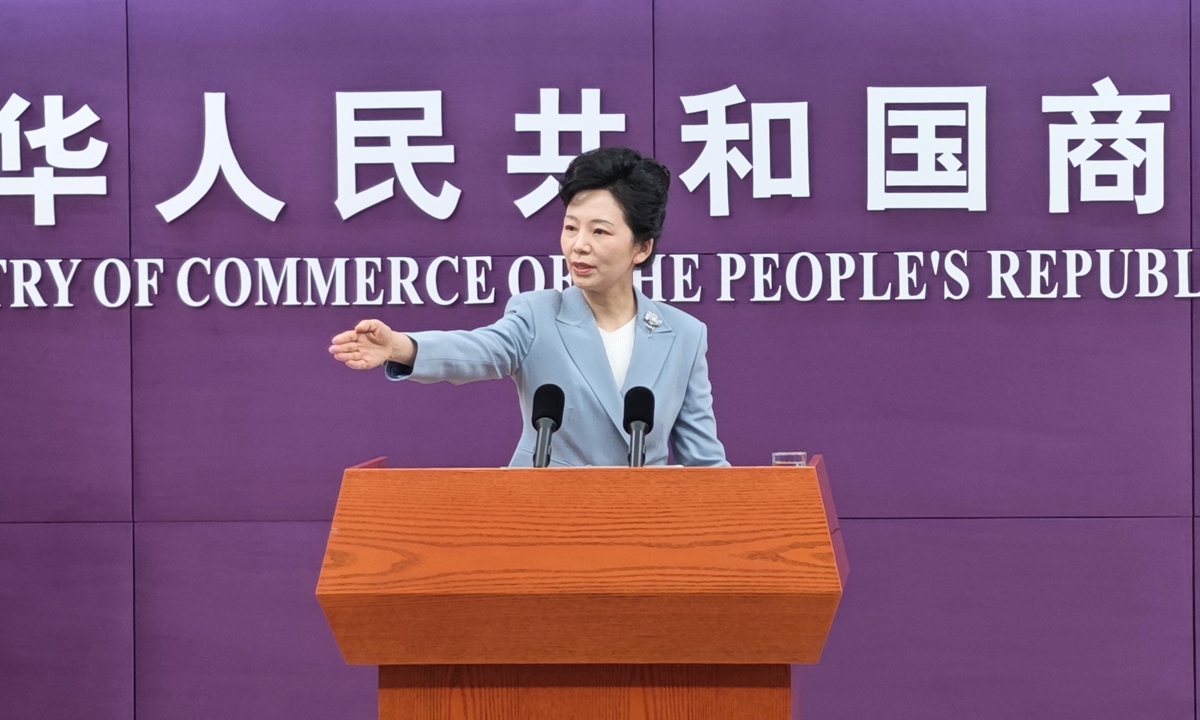
China Ready to Collaborate with US on Trade Discussions
China's Ministry of Commerce commits to dialogue with the U.S. in the sixth round of trade talks to enhance cooperation.
Cuban Deputy Foreign Minister Ready to Cooperate with US on Speedboat Incident
Cuba's Deputy Foreign Minister announces cooperation with the U.S. to investigate an American speedboat incident on the 26th.
Aerospace Change: Strategic Insights for Growth
Analysis of a company's strategic shift in aerospace and defense sectors, focusing on its 'Sea-Land-Air-Space' strategy, long-term growth initiatives, and associated financial risks.