

Japan's Targeted Export Controls Demand Close Attention Now
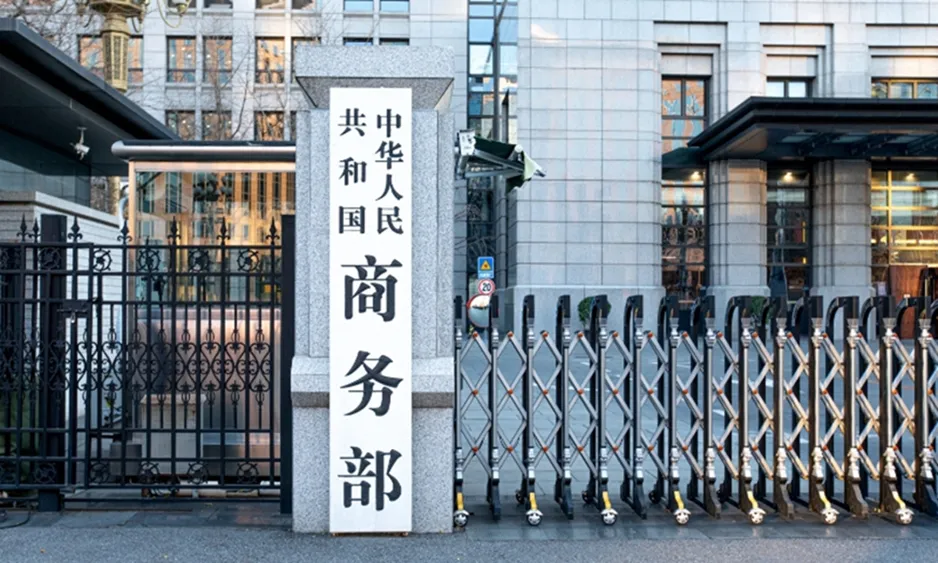
Japan's economy faces heightened scrutiny following China's implementation of targeted export controls. As geopolitical tensions rise, these measures illustrate a decisive shift in international relations, emphasizing the need for Japan to prioritize its internal challenges while navigating external pressures.
China's recent steps come as the nation embarks on its 15th Five-Year Plan, planning to address critical domestic reforms and bolster stability. In contrast, Japan struggles with a staggering government debt-to-GDP ratio that has reached 230 percent, exacerbated by Prime Minister Sanae Takaichi's controversial pledge to suspend the consumption tax on food.
This tax suspension, aimed at securing voter support, is projected to strip the government of roughly 5 trillion yen in annual revenue, potentially inflating Japan's existing debt crisis. As market confidence wanes, bond yields have surged to levels not witnessed in nearly three decades, raising alarms about the sustainability of Japan's fiscal strategy.
Amid these economic challenges, Japan's diplomatic stance has also shifted under Takaichi's leadership. New policies and rhetoric concerning Taiwan have drawn direct criticism from China, which insists on adherence to the one-China principle and mutual respect for national interests between the two countries.
Despite China's calls for restraint, Japan's ruling coalition has demonstrated an unwavering commitment to a right-wing agenda, which includes provocative actions that strain diplomatic ties. Encouraging visits to the controversial Yasukuni Shrine signals a willingness to embrace nationalist sentiments, further alienating Japan from its regional partners.
The Japanese government's reluctance to heed China's appeals for constructive dialogue has been particularly troubling. With a domestic political climate increasingly influenced by right-wing ideologies, Japan risks deepening its isolation as it grapples with its turbulent WWII legacy and resurgent nationalism.
Young Japanese voters, largely detached from the pacifist ideals of their predecessors, find themselves struggling with a future perceived through the lens of a challenging economic landscape. This ambivalence is manipulated by nationalist factions that conflate economic frustrations with hostile sentiments toward China.
For years, Japan's expectation of maintaining economic ties with China while fostering political tensions has proved untenable. As China's self-reliance grows, Japan's reliance on its neighbor diminishes, raising questions about the long-term viability of Japan's diplomatic approach.
China's recent restrictions serve as a reminder of the delicate balance in the region. The measures are a defensive act to protect national interests and signal the start of a new era in Sino-Japanese relations, where Japan must come to terms with the consequences of its confrontational policies.
If Japan's government continues down its current path without reconsideration, one can foresee tougher responses from China, committed to safeguarding its sovereignty and international standing. The implications of this trajectory extend beyond bilateral relations, potentially reshaping regional dynamics for years to come.
Read These Next

Nvidia Soars in Q4, Fueled by AI Growth
Nvidia's impressive fourth-quarter results surpass analyst expectations with a 75% revenue growth in its data center business, underscoring its leadership in AI chip production.

China's LandSpace Prepares for Zhuque-3 Rocket Tests in 2026
LandSpace is set to test its Zhuque-3 reusable rocket, aiming to lead in the commercial space sector and innovate aerospace.

NVIDIA Q4 Revenue Hits $68.1 Billion Surpassing Expectations
Nvidia's Q4 revenue hit $68.1B, exceeding expectations and up from $39.3B last year, driven by AI and cloud services.