

Trump increases global tariff from 10 percent to 15 percent
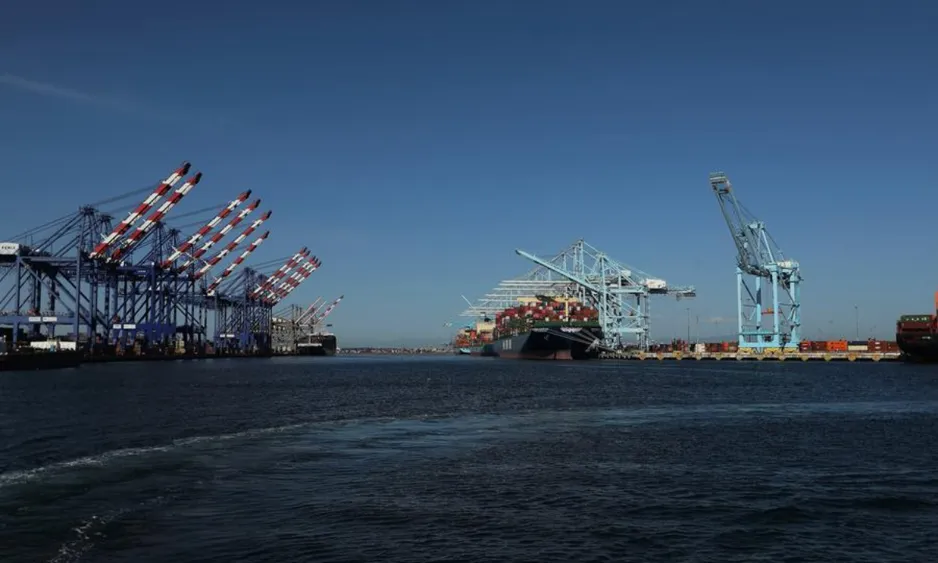
In a significant escalation of trade policy, U.S. President Donald Trump announced an increase in the global tariff from 10 percent to 15 percent. This decision follows a recent Supreme Court ruling that deemed his previous tariff measures illegal under the International Emergency Economic Powers Act.
Trump expressed his intent to raise the tariffs entirely through a social media announcement, stating, 'I, as President of the United States of America, will be, effective immediately, raising the 10% Worldwide Tariff on Countries, many of which have been ripping the U.S. off for decades, without retribution until I came along, to the fully allowed and legally tested 15% level.'
This abrupt increase in tariffs signifies a bold move by the Trump administration aimed at addressing perceived imbalances in U.S. trade relations. Following the Supreme Court's ruling, which was decided with a 6-3 vote, Trump’s government quickly moved to impose a 10 percent tariff just hours later, indicating his administration's readiness to challenge legal setbacks.
Trump went on to elaborate that the administration would work to determine and implement additional tariffs in the coming months, as part of his continued agenda to 'Make America Great Again - GREATER THAN EVER BEFORE.' This framing suggests that the administration views tariff increases as a critical component of its economic strategy.
The implications of this tariff increase are far-reaching and may prompt reciprocal actions from other countries, further straining international trade relations. Market analysts are closely monitoring the situation, as trade policies can have significant impacts on global markets and economic stability.
President Trump's approach underscores the ongoing tensions within U.S. trade relationships, particularly amidst debates over the efficacy and legality of such tariffs. The administration's willingness to escalate tariffs, even after legal setbacks, reflects a commitment to its broader economic agenda.
As countries around the world react to this tariff hike, stakeholders are left to navigate the changing landscape of global trade, with potential repercussions for various sectors heavily reliant on international commerce. The evolving trade policy may also influence the U.S. economy's growth trajectory and the global economic environment.
In conclusion, this latest move signals a pivotal moment in the political economy surrounding U.S. trade relations, as the Trump administration takes a defiant stance against previous judicial rulings and continues to push its aggressive tariff policy.
Read These Next
US Trade Policy Uncertainty and Its Impact on India
This commentary analyzes the recent changes in U.S. tariff policy as it affects trade negotiations with India, emphasizing the implications of the Supreme Court's ruling and the subsequent postponement of a planned trade mission.

Suzhou Embraces AI to Evolve Into an AI+ City
Suzhou is evolving into an 'AI+' hub with 2,500 tech enterprises, driving an intelligent economy and smarter city solutions.
Strong 7.0 Magnitude Earthquake Hits North Kalimantan Indonesia
A 7.0 magnitude earthquake hit Tanah Tidung, Indonesia, on February 23, prompting emergency responses and public vigilance.