

Xiaomi's Lei Jun Denies US Market Plans After YU7 Sighting
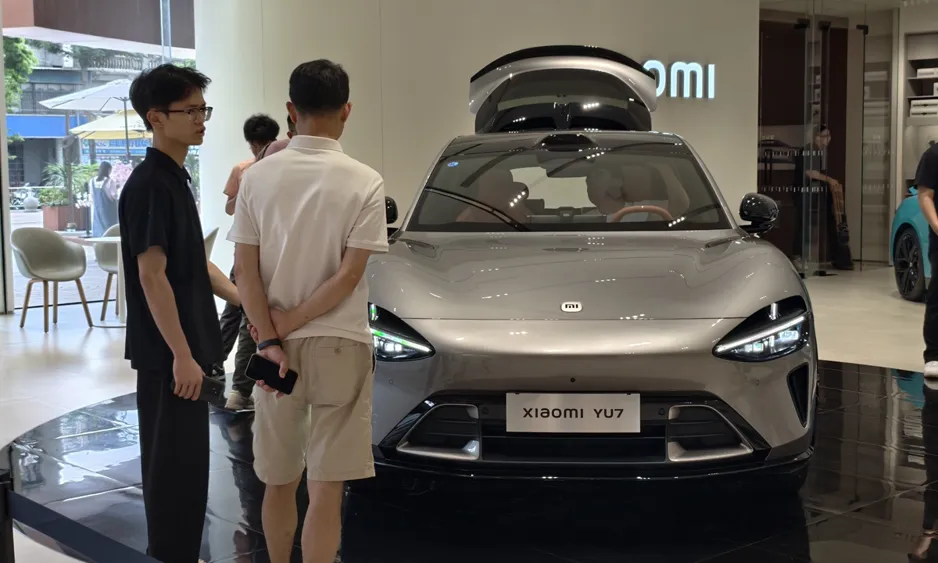
Xiaomi's founder and chairman, Lei Jun, has publicly denied speculation regarding the company's potential entry into the US auto market. This clarification comes on the heels of a Xiaomi SUV sighting on a California highway, which sparked discussion on various social media platforms. Jun attributed the sighting of the YU7 model to a comparative vehicle acquired by a US counterpart or supplier, rather than an indication of market expansion.
The current narrative surrounding Xiaomi's plans emerges against a complex global trade backdrop for Chinese manufacturers of new energy vehicles (NEVs). Despite some positive rhetoric from political figures suggesting a welcoming attitude toward Chinese vehicles, tariffs and ongoing policy uncertainty remain significant barriers to market access in the United States. This situation illuminates why many high-quality Chinese manufacturers remain cautious about pursuing overseas market opportunities, particularly amidst robust domestic growth.
Earlier this year, there were indications from the US administration that it would welcome Chinese automakers interested in establishing manufacturing operations within the country. Statements made by US President Donald Trump emphasized a favorable posture towards such endeavors, expressing enthusiasm for job creation and local investment.
Nevertheless, a lack of decisive actions to enhance consumer confidence or bolster the standing of Chinese electric vehicle manufacturers in the US market is evident. Experts, including Zhou Mi from the Chinese Academy of International Trade and Economic Cooperation, reiterate that insufficient measures, such as tariff reductions, continue to hinder progress.
In a notable legal development, four US subsidiaries of Chinese automaker BYD Co have initiated a lawsuit against the US government. This legal action, filed in the US Court of International Trade, contests various tariff executive orders established under the International Emergency Economic Powers Act. This litigation reflects a broader trend of global companies seeking redress against US tariffs.
The context of BYD's legal battle is significant as it parallels a broader wave of litigation from businesses worldwide, contesting the extensive tariffs imposed by the US and seeking refunds for duties previously paid. Such legal challenges emphasize the growing discontent among international businesses regarding trade practices.
Despite these ongoing challenges, the trend towards the global adoption of Chinese electric vehicles is unmistakable. Recent data from the European Automobile Manufacturers' Association indicates a remarkable surge in BYD's sales in Europe, highlighting an impressive year-on-year growth rate.
Moreover, Xiaomi has taken steps to showcase its presence in the electric vehicle sector, as evidenced by its recent public showcase of the pure electric model, SU7, in Japan. This initiative marks Xiaomi's ambitions to expand into yet another important market.
Gao Lingyun, a researcher at the Chinese Academy of Social Sciences, emphasizes that without political interference, the exportation of advanced manufacturing products, including electric vehicles, would represent a mutually beneficial opportunity for China and other markets. He asserts that genuine demand for Chinese goods is increasingly evident, with Chinese manufacturers well-positioned to meet that demand.
Read These Next

Etsy Stock Rises 14% After eBay Sells Depop
This commentary discusses the implications of eBay's acquisition of Depop from Etsy, covering stock market reactions, strategic shifts for both companies, and the broader context of the e-commerce landscape.
20 Year Japanese Government Bond Yield Drops to 2965%
On February 19, Japan's 20-year government bond yield fell 0.5 bps to 2.965%, reflecting a low-rate, risk-averse environment.

Figma's Growth: Transforming Software with AI
Commentary on Figma's stock surge due to strong Q4 results driven by AI implementation, analyzing implications for the software sector.