

China to Defend Rights Amid EU WTO Panel Request on Patents
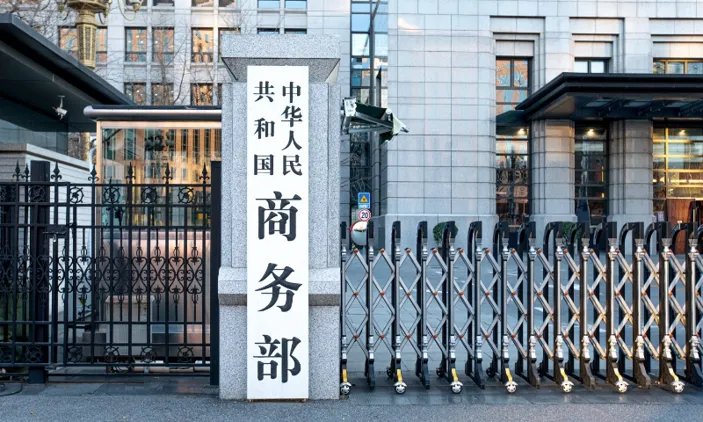
China's Ministry of Commerce has reaffirmed its commitment to protecting legal rights in light of the European Union's recent announcement regarding its request for the World Trade Organization (WTO) to establish a dispute settlement panel. This panel will address issues stemming from judicial rulings related to standard essential patent licensing litigation against China.
In a statement provided to the media, an official from the Department of Treaty and Law of China's Ministry of Commerce indicated that China will respond appropriately in accordance with WTO dispute settlement procedures. The official emphasized the nation's firm determination to safeguard its legitimate rights and interests amidst the ongoing trade discussions.
China has consistently underscored its dedication to the protection of intellectual property rights. The official highlighted the country's ongoing efforts to enhance its legislation and enforcement mechanisms, which are aligned with WTO rules and China's commitments made during its accession to the organization.
The measures taken by China in recent years have yielded notable results in the realm of intellectual property protection, as evidenced by improvements in enforcement and compliance. The official expressed disappointment regarding the EU's decision to pursue this panel request, suggesting it may hinder cooperative trade relations.
The current situation reflects broader tensions in trade relations between China and the EU, where both parties have vested interests in ensuring fair practices within the intellectual property framework. As the dispute unfolds within the WTO, it will have implications for global trade dynamics.
Experts believe that the resolution of this patent-related issue may set a precedent for future interactions between major economies, particularly concerning intellectual property rights. The outcome could influence not only bilateral trade relations but also impact how international legal frameworks address technology transfer and patent rights.
As this case progresses, stakeholders will be closely monitoring the developments surrounding the EU's request and China's subsequent actions. The ability to negotiate and reach a consensus may play a critical role in shaping the economic landscape moving forward.
Read These Next

Figma's Growth: Transforming Software with AI
Commentary on Figma's stock surge due to strong Q4 results driven by AI implementation, analyzing implications for the software sector.

China's Outbound Visa Applications Surge in 2025 Driven by Europe
China's outbound visa applications grew double digits in 2025, driven by interest in Northern and Central-Eastern Europe.

AlphaQuest Hedge Fund Shuts Down After Three Years of Losses
Hedge fund AlphaQuest is closing due to three years of losses, prompting investor caution amid global market volatility.