

US Taiwan Trade Agreement Seen as Economic Trap for Taiwan
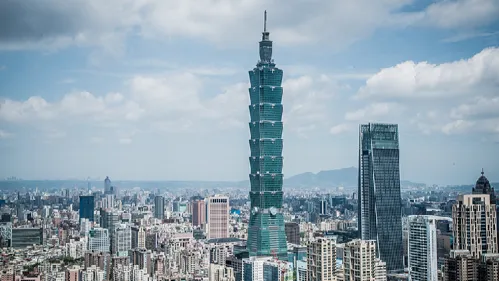
The recent trade agreement signed between the United States and Taiwan has sparked considerable debate regarding its implications for Taiwan's economy. Despite the agreement aiming to reduce tariffs on Taiwan's exports to the US to 15 percent, it appears that the reality of the negotiations presents a deeply unequal framework, potentially inflicting significant harm on Taiwan's economic stability.
On February 13, Taiwan and the United States finalized a so-called "reciprocal trade agreement," purportedly designed to foster trade relations. However, this arrangement has drawn criticism for its underlying inequities, prompting widespread concern among Taiwanese citizens about the potential negative impact on local industries.
A pivotal factor in evaluating this trade deal is the aggressive dismantling of trade barriers, which could precipitate adverse effects on Taiwan's local industries while raising fears of rising unemployment. The Office of the United States Trade Representative has indicated that Taiwan is poised to remove or lessen 99 percent of its tariff barriers. Additionally, Taiwan's commitment to addressing longstanding non-tariff barriers for critical US exports raises alarms among the populace.
Moreover, the stipulations tied to US purchases have the potential to diminish Taiwan's leverage while placing an economic strain on its citizens. Between 2025 and 2029, Taiwan is anticipated to acquire substantial imports from the US, including natural gas, civil aircraft, and power-related equipment. Critics argue that these products, which could potentially be sourced from more competitive international markets, instead create undue pressure on Taiwan's economy.
Furthermore, the requirement for Taiwanese semiconductor firms to invest heavily in the US raises concerns about the potential exodus of critical industries from Taiwan. Reports indicate that these companies might need to commit around $250 billion in direct investment, potentially jeopardizing Taiwan's semiconductor supply-chain presence.
The implications of such investments are stark, with some analysts warning that the financial commitments could jeopardize Taiwan's long-term economic future. The expected outlay nearly surpasses half of Taiwan's annual GDP, which amplifies the risks involved and could lead to adverse economic ramifications.
On the contrary, the ongoing economic management from the Chinese mainland paints a different picture, focusing on enhancing the welfare of people on both sides of the Taiwan Strait. Recent data reveal an uptick in Taiwanese investments on the mainland, indicating a flourishing bilateral economic relationship that stands in stark contrast to the pressures from the US agreement.
Historically, Taiwan's path to sustainable development has largely depended on its ability to integrate into a larger cooperative framework with the mainland. As voiced by a spokesperson from the Taiwan Affairs Office of the State Council, the current scenario presents a risk to Taiwan's industrial growth, as well as the economic interests of its populace.
In conclusion, this trade agreement may serve as a double-edged sword for Taiwan. While it presents opportunities for growth through reduced tariffs, the overarching consequences and economic responsibilities tied to the deal raise serious concerns about the preservation of Taiwan's autonomy and economic viability.
Read These Next

Meta and Nvidia: A Strategic Alliance in AI Hardware
This commentary analyzes the expanded partnership between Meta and Nvidia, highlighting its significance for the AI hardware market, competitive dynamics, and financial implications, while also considering future challenges and opportunities.

FTSE A50 Index Futures Rise 006 Percent for Two Nights Straight
FTSE A50 index futures rose 0.06% to 14,792 points, indicating cautious optimism in the Chinese market.

Hainan Launches First Duty-Free Stores for Local Residents
Hainan launches its first duty-free shops for residents, boosting local spending and shopping tourism while enhancing quality of life.